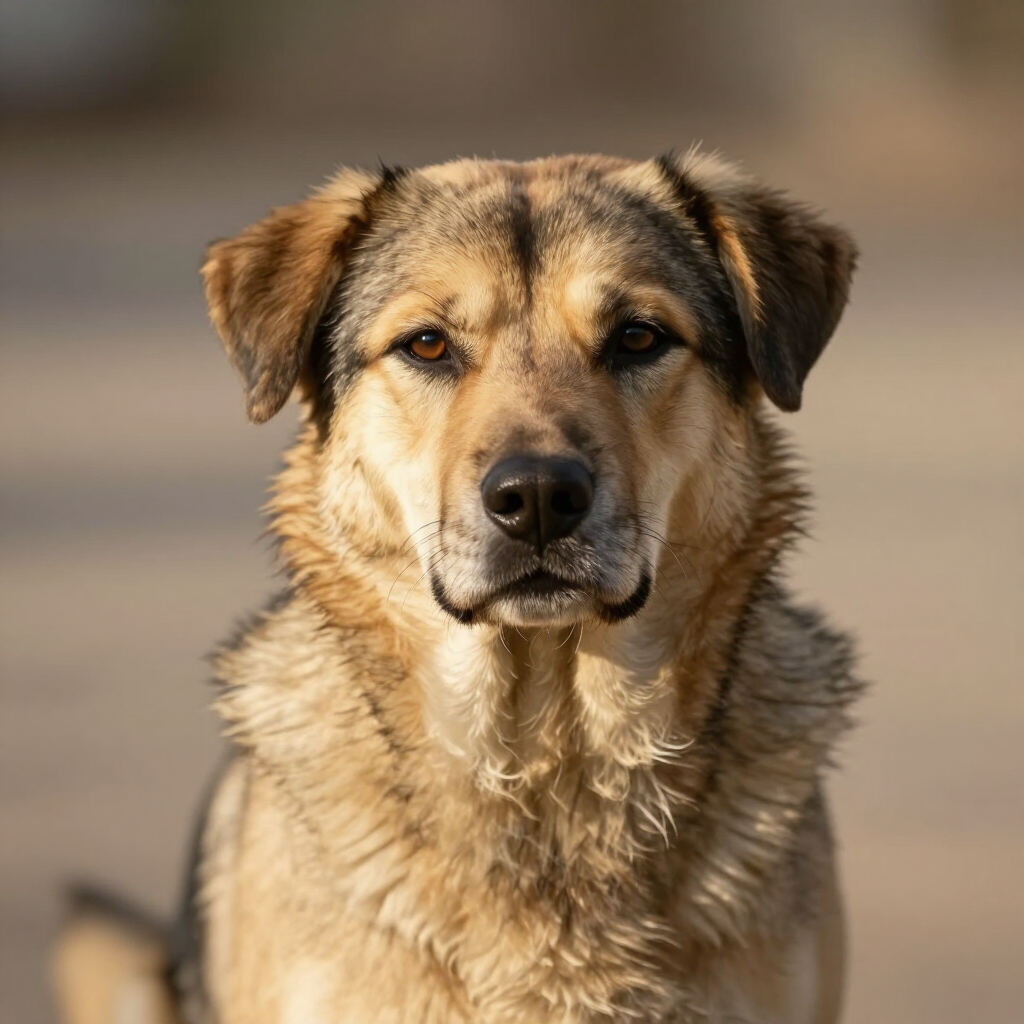
Dog Breeds That Love Spring: Celebrating Canine Companions in Warmer Weather

Spring isn't just a season of renewal for nature – it's a magical time for our four-legged friends too! As the world bursts into color and temperatures rise, some dog breeds absolutely come alive during these warmer months. At Rue's Kennels, we've seen firsthand how different breeds react to the joys of springtime, and we're excited to share our insights with fellow dog lovers.

The Science of Spring and Dogs

Before we dive into our breed breakdown, let's understand why spring is such a special time for our canine companions. As daylight hours increase and temperatures become more moderate, dogs experience:


  • Increased energy levels
  • More opportunities for outdoor activities
  • Enhanced mood and mental stimulation
  • Better conditions for exercise and play

Top Spring-Loving Dog Breeds

High-Energy Breeds

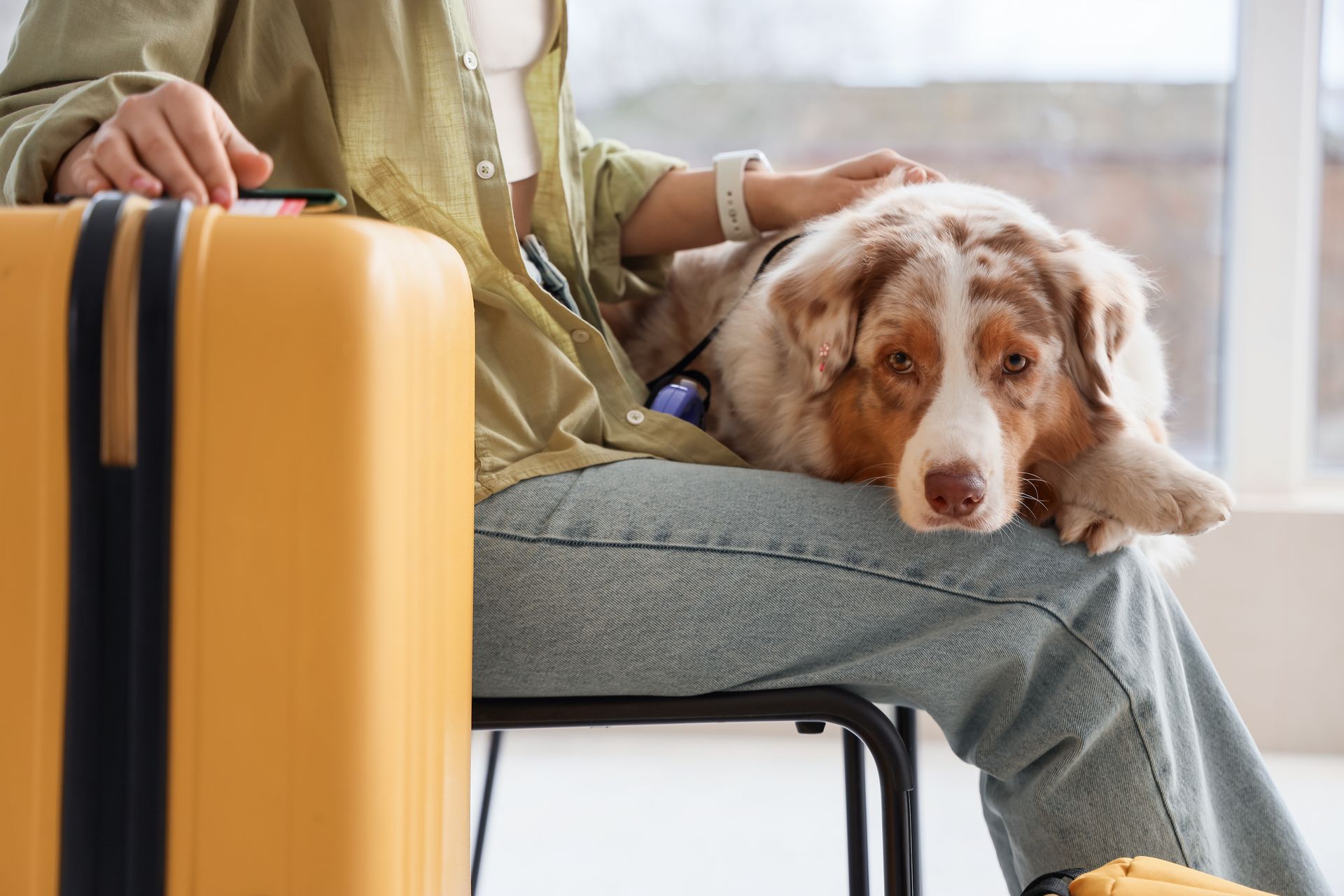
Australian Shepherds: The Spring Enthusiasts

Known for their boundless energy and intelligence, Australian Shepherds are spring personified. These dynamic dogs absolutely thrive in moderate temperatures, making spring their ultimate playground.


Spring Characteristics:

  • Exceptional agility
  • Love for outdoor activities
  • Highly trainable
  • Constant desire for mental and physical stimulation


Rue's Kennels Spring Care Tip: Our play yards and structured activity programs are perfect for keeping these high-energy pups engaged and happy during their boarding stay.


Border Collies: The Intelligent Adventurers

If there's a breed that embodies spring's spirit of renewal and energy, it's the Border Collie. These incredibly intelligent dogs see spring as an opportunity for non-stop exploration and learning.


Spring Highlights:

  • Extraordinary problem-solving skills
  • Extreme athletic capability
  • Desire for complex games and challenges
  • Thrives on structured activities


Our Boarding Advantage: We offer specialized activity programs that keep Border Collies mentally and physically stimulated, ensuring they never get bored during their stay.


Medium-Energy Breeds

Labrador Retrievers: Social Butterflies of the Canine World

Labs are the ultimate social dogs who transform into pure joy during spring. Their friendly nature and love for outdoor activities make them spring champions.


Spring Personality:

  • Loves water activities
  • Extremely social
  • Enjoys family and group interactions
  • Moderate exercise requirements


Rue's Kennels Special Care: Our group play sessions and socialization opportunities are perfect for keeping Labs happy and engaged.


Beagles: The Curious Explorers

With their incredible sense of smell and boundless curiosity, Beagles treat spring like a grand adventure waiting to be discovered.


Spring Characteristics:

  • Exceptional olfactory senses
  • Love for exploration
  • Playful and energetic
  • Social pack animals


Our Boarding Approach: We provide secure, stimulating environments that allow Beagles to satisfy their natural curiosity while staying safe.


Low-Energy Breeds

Bulldogs: The Relaxed Spring Enjoyers

Don't count out our flat-faced friends! While not as high-energy, Bulldogs still appreciate spring's mild temperatures.


Spring Considerations:

  • Sensitive to extreme temperatures
  • Prefer moderate climates
  • Enjoy short, gentle walks
  • Need careful temperature management


Rue's Kennels Care: We offer specialized care for brachycephalic breeds, ensuring they stay comfortable with temperature-controlled environments and gentle exercise routines.


Shih Tzus: Small but Spirited

These tiny companions might be small, but they have big spring personalities!


Spring Traits:

  • Adaptable to moderate temperatures
  • Enjoy short walks
  • Social and affectionate
  • Low exercise requirements


Our Boarding Approach: Personalized care that considers each dog's unique needs and energy levels.

Comprehensive Care for Every Breed

At Rue's Kennels, we understand that no two dogs are alike. Our comprehensive boarding and care services are designed to cater to:

  • Different energy levels
  • Unique breed characteristics
  • Individual dog personalities
  • Specific health and comfort needs


Our Spring Boarding Promises

  • Breed-specific activity programs
  • Temperature-controlled environments
  • Personalized exercise routines
  • Expert staff trained in breed-specific care
  • Safe, secure, and stimulating environments

Preparing Your Dog for Spring Adventures

Essential Spring Dog Care Tips

  1. Gradual exercise introduction
  2. Regular grooming
  3. Hydration management
  4. Sun and heat protection
  5. Allergy awareness

Book Your Spring Boarding Experience!

Whether you have a high-energy Australian Shepherd or a laid-back Bulldog, Rue's Kennels is ready to provide the perfect spring experience for your furry friend.


Spring into action! Call us today and schedule a tour of our facilities. Your dog's perfect spring adventure awaits!

share this

Related Articles

Related Articles

By Jonathan Rue's Kennel December 13, 2025
Why a CVI Is Best Practice for Domestic Dog Travel (Even When the Airline Doesn’t Require One) When planning domestic travel with your dog, most pet parents focus on airline rules, crate sizes, and booking pet-friendly accommodations. One detail that often gets overlooked? The Certificate of Veterinary Inspection (CVI) —also called a health certificate . While many domestic airlines don’t require a CVI, obtaining one is still strongly recommended . Think of it like a seatbelt: you hope you never need it, but if something unexpected happens, you’ll be very glad it’s there. What Is a CVI? A Certificate of Veterinary Inspection (CVI) is an official document issued by a licensed veterinarian confirming that your dog: Is healthy Is free from signs of infectious disease Is up to date on required vaccinations (especially rabies) This document is time-sensitive and reflects your dog’s health status close to the date of travel. “If the Airline Doesn’t Require It, Why Bother?” Great question—and the answer is liability protection . While rare, incidents do happen during travel. In the unlikely event that your dog: Bites another animal Scratches or bites a person Is accused of being ill or contagious A CVI becomes your best line of defense . It shows that: Your dog was examined by a veterinarian Your dog was cleared for travel You acted responsibly and proactively as a pet parent Without a CVI, responsibility can quickly become complicated—and stressful. CVIs Protect You, Not Just Your Dog A CVI isn’t just paperwork; it’s documentation that can help protect you legally and financially. Should an incident occur, authorities or airlines may request proof that your dog was healthy prior to travel. Having a CVI on hand can: Reduce disputes Speed up resolution Prevent unnecessary quarantine or delays In short: it keeps a bad day from becoming a very expensive one . Best Practice = Peace of Mind Even when not required, obtaining a CVI is considered best practice by veterinarians, animal transport professionals, and experienced travelers. It’s a small step that adds a large layer of security. How Rue’s Kennels Can Help At Rue’s Kennels , we understand travel compliance inside and out. We can assist dog parents in obtaining a proper, valid CVI so you can travel with confidence—knowing you’re covered if the unexpected happens. Because the best trips are the ones where the only surprise is how many photos you take of your dog at the destination. 🐾✈️ If you’d like, I can also: Rewrite this in a more casual or more legal tone Add SEO keywords Convert it into an email, FAQ, or social post Just say the word.
By Jonathan Rue's Kennel November 19, 2025
Why a Power of Attorney (POA) Is Required for CDC High-Risk Dog Imports
April 27, 2025
Bringing your dog into the United States from another country can feel overwhelming if you’ve never done it before. There are rules, paperwork, deadlines, and government agencies involved. If you’re flying into Los Angeles International Airport (LAX), you’re coming through one of the few approved entry points for dogs arriving from countries considered high-risk for rabies. That makes preparation even more important.  I work with Rue’s Kennels at LAX, a CDC-registered facility designed to help dog owners and rescue organizations navigate this process. We’ve seen just about every situation you can imagine. Some dogs arrive fully compliant and are picked up the same day. Others are missing documents or vaccinations and end up needing a full 28-day quarantine. Either way, there’s a lot you can do before travel to make sure things go smoothly when your dog lands. If you’re just starting your planning, here’s a clear look at how to get ready for international travel with your dog and what to expect when using a facility like ours at LAX. Start by checking whether the country your dog is traveling from is considered high-risk for rabies. The CDC publishes this list on their site and updates it regularly. Some of the most common high-risk countries include China, India, Russia, Egypt, and the Dominican Republic. If your country is on that list, your dog must meet additional requirements before entering the U.S. If your dog is coming from a high-risk country, here’s what you need to have in order: A valid rabies vaccination certificate that includes the date of vaccination, expiration, and the microchip number Proof that the dog is at least six months old at the time of travel A properly implanted microchip that was placed before the rabies vaccine was given A health certificate from a licensed veterinarian, depending on the country A CDC Dog Import Permit if required based on your dog’s history or destination Make sure you have originals or certified copies of every document. The CDC does not accept handwritten records or anything that looks suspicious. If your dog was vaccinated too recently before travel, the vaccine might not be considered valid yet, which can lead to quarantine upon arrival. Timing matters. You’ll want to start this process at least 30 days before the travel date. If your dog needs to be revaccinated or microchipped, it needs to happen with enough time for everything to take effect. Don’t assume that paperwork from your local vet is enough. International travel has stricter standards and it’s on you to make sure your dog’s paperwork will be accepted. Once you know your dog qualifies, contact a CDC-registered facility like Rue’s Kennels to reserve space. We can help you confirm the documents, walk you through what to expect, and prepare to receive your dog once the plane lands. If something is missing when your dog arrives, the CDC may order a 28-day quarantine, which we handle in our facility just minutes from LAX. When your dog lands at LAX, we coordinate pickup and handle the customs clearance on your behalf. We transport the dog safely to our kennel and begin the intake process. If all documentation is valid, your dog may be released that same day. If there’s an issue, we provide care and follow CDC protocols while we sort out the next steps. If quarantine is needed, we manage the full 28-day process with feeding, cleaning, daily monitoring, and regular updates to you. Traveling internationally with a dog is not just about the flight. You need to plan every detail before departure. This includes booking your CDC-registered facility in advance, having all documents printed and ready, and knowing what to do in case something goes wrong. If your dog is denied entry, they may be sent back to their country of origin at your expense. This can be avoided with proper planning. If you’re flying with your dog, double-check airline requirements, too. Each airline has its own pet policy and not all international routes allow pets in cargo. Make sure your carrier is approved and that your dog’s crate meets travel standards. Give your dog time to get used to the crate before the flight, and plan for hydration and comfort during travel. We see a lot of dogs arrive tired and stressed from long flights, so anything you can do to reduce anxiety helps. One mistake we see often is travelers assuming their pet won’t need quarantine because they "look healthy" or "just got vaccinated." That’s not how the CDC works. It’s all about documentation, timing, and meeting specific criteria. If one piece is off, quarantine becomes mandatory. It’s not optional and we can’t override that decision. We also recommend preparing for the cost of pet importation. In addition to your airline fees, you’ll be responsible for vet appointments, CDC permit fees if needed, and quarantine or boarding costs if applicable. Ask about our pricing ahead of time so you’re not caught off guard. At Rue’s Kennels, we’re used to handling all the logistics. Our team is trained to manage everything from airport pickup and customs to quarantine and document submission. We stay in contact with the CDC, USDA, and Customs and Border Protection so you don’t have to juggle all of that on your own. If you’re not sure whether your dog will need quarantine or whether your documents are in order, reach out. We’re happy to review what you have and let you know what the next steps should be. It’s better to ask in advance than deal with problems after your dog has landed. International travel with a dog takes planning and precision. If you’re coming through LAX and need help making sure your dog is cleared to enter the U.S., we’re here to walk you through the process and provide the care they need. Preparing now saves time, money, and stress later. Let me know if you want to get on the schedule or if you have any questions. We’ve done this for hundreds of dogs from all over the world and are always here to help.
ALL ARTICLES