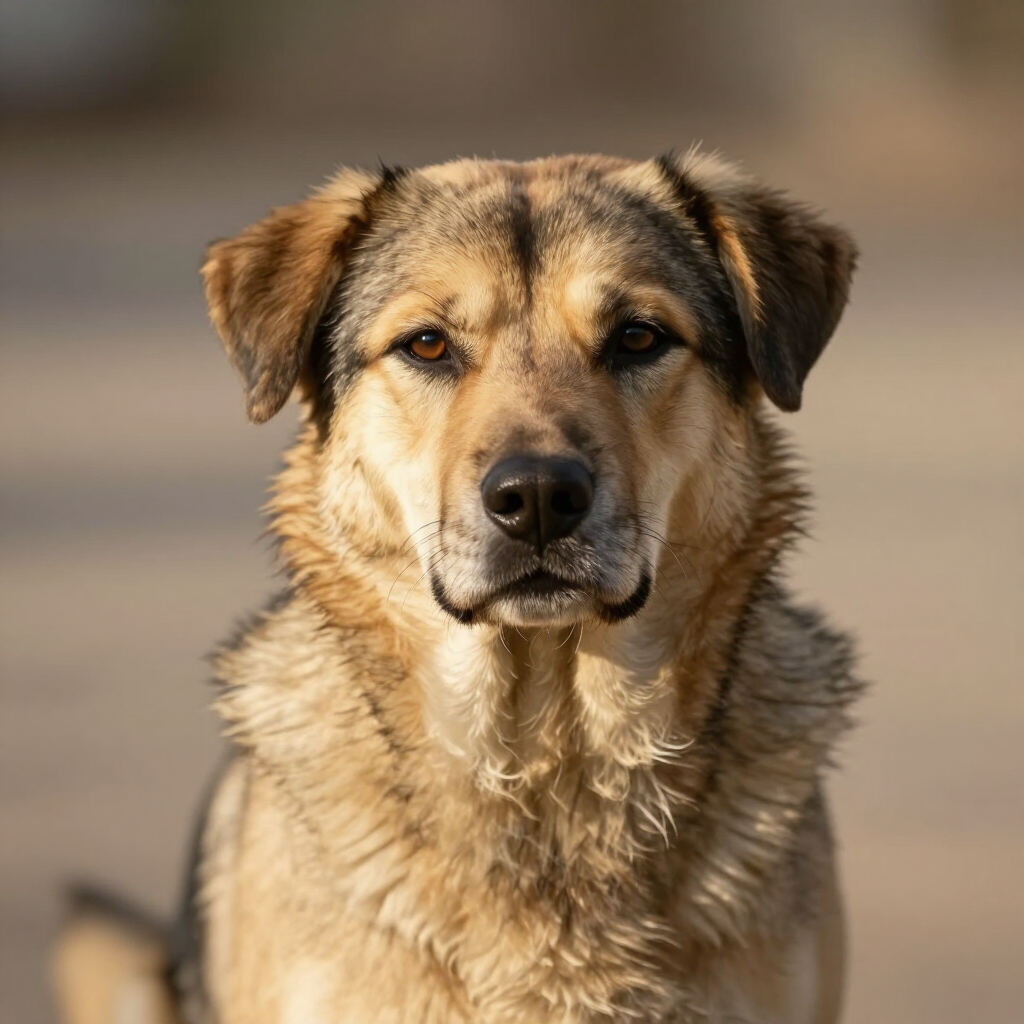
Why a CVI Is Best Practice for Domestic Dog Travel

Why a CVI Is Best Practice for Domestic Dog Travel

(Even When the Airline Doesn’t Require One)

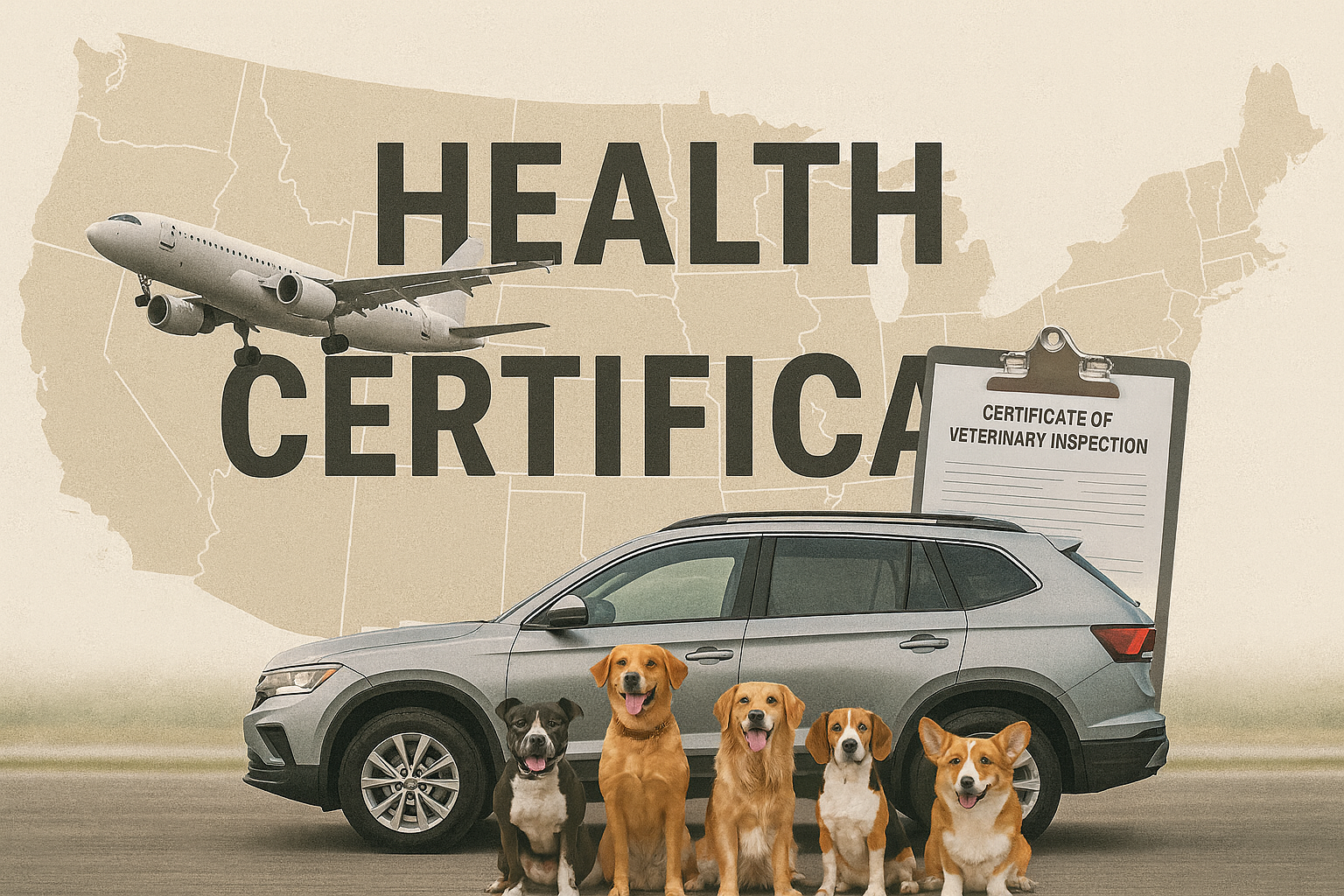
When planning domestic travel with your dog, most pet parents focus on airline rules, crate sizes, and booking pet-friendly accommodations. One detail that often gets overlooked? The Certificate of Veterinary Inspection (CVI)—also called a health certificate.

While many domestic airlines don’t require a CVI, obtaining one is still strongly recommended. Think of it like a seatbelt: you hope you never need it, but if something unexpected happens, you’ll be very glad it’s there.

What Is a CVI?

A Certificate of Veterinary Inspection (CVI) is an official document issued by a licensed veterinarian confirming that your dog:

  • Is healthy
  • Is free from signs of infectious disease
  • Is up to date on required vaccinations (especially rabies)

This document is time-sensitive and reflects your dog’s health status close to the date of travel.

“If the Airline Doesn’t Require It, Why Bother?”

Great question—and the answer is liability protection.

While rare, incidents do happen during travel. In the unlikely event that your dog:

  • Bites another animal
  • Scratches or bites a person
  • Is accused of being ill or contagious

A CVI becomes your best line of defense.

It shows that:

  • Your dog was examined by a veterinarian
  • Your dog was cleared for travel
  • You acted responsibly and proactively as a pet parent

Without a CVI, responsibility can quickly become complicated—and stressful.

CVIs Protect You, Not Just Your Dog

A CVI isn’t just paperwork; it’s documentation that can help protect you legally and financially. Should an incident occur, authorities or airlines may request proof that your dog was healthy prior to travel. Having a CVI on hand can:

  • Reduce disputes
  • Speed up resolution
  • Prevent unnecessary quarantine or delays

In short: it keeps a bad day from becoming a very expensive one.

Best Practice = Peace of Mind

Even when not required, obtaining a CVI is considered best practice by veterinarians, animal transport professionals, and experienced travelers. It’s a small step that adds a large layer of security.

How Rue’s Kennels Can Help

At Rue’s Kennels, we understand travel compliance inside and out. We can assist dog parents in obtaining a proper, valid CVI so you can travel with confidence—knowing you’re covered if the unexpected happens.

Because the best trips are the ones where the only surprise is how many photos you take of your dog at the destination. 🐾✈️

If you’d like, I can also:

  • Rewrite this in a more casual or more legal tone
  • Add SEO keywords
  • Convert it into an email, FAQ, or social post

Just say the word.

share this

Related Articles

Related Articles

By Jonathan Rue's Kennel November 19, 2025
Why a Power of Attorney (POA) Is Required for CDC High-Risk Dog Imports
April 27, 2025
Bringing your dog into the United States from another country can feel overwhelming if you’ve never done it before. There are rules, paperwork, deadlines, and government agencies involved. If you’re flying into Los Angeles International Airport (LAX), you’re coming through one of the few approved entry points for dogs arriving from countries considered high-risk for rabies. That makes preparation even more important.  I work with Rue’s Kennels at LAX, a CDC-registered facility designed to help dog owners and rescue organizations navigate this process. We’ve seen just about every situation you can imagine. Some dogs arrive fully compliant and are picked up the same day. Others are missing documents or vaccinations and end up needing a full 28-day quarantine. Either way, there’s a lot you can do before travel to make sure things go smoothly when your dog lands. If you’re just starting your planning, here’s a clear look at how to get ready for international travel with your dog and what to expect when using a facility like ours at LAX. Start by checking whether the country your dog is traveling from is considered high-risk for rabies. The CDC publishes this list on their site and updates it regularly. Some of the most common high-risk countries include China, India, Russia, Egypt, and the Dominican Republic. If your country is on that list, your dog must meet additional requirements before entering the U.S. If your dog is coming from a high-risk country, here’s what you need to have in order: A valid rabies vaccination certificate that includes the date of vaccination, expiration, and the microchip number Proof that the dog is at least six months old at the time of travel A properly implanted microchip that was placed before the rabies vaccine was given A health certificate from a licensed veterinarian, depending on the country A CDC Dog Import Permit if required based on your dog’s history or destination Make sure you have originals or certified copies of every document. The CDC does not accept handwritten records or anything that looks suspicious. If your dog was vaccinated too recently before travel, the vaccine might not be considered valid yet, which can lead to quarantine upon arrival. Timing matters. You’ll want to start this process at least 30 days before the travel date. If your dog needs to be revaccinated or microchipped, it needs to happen with enough time for everything to take effect. Don’t assume that paperwork from your local vet is enough. International travel has stricter standards and it’s on you to make sure your dog’s paperwork will be accepted. Once you know your dog qualifies, contact a CDC-registered facility like Rue’s Kennels to reserve space. We can help you confirm the documents, walk you through what to expect, and prepare to receive your dog once the plane lands. If something is missing when your dog arrives, the CDC may order a 28-day quarantine, which we handle in our facility just minutes from LAX. When your dog lands at LAX, we coordinate pickup and handle the customs clearance on your behalf. We transport the dog safely to our kennel and begin the intake process. If all documentation is valid, your dog may be released that same day. If there’s an issue, we provide care and follow CDC protocols while we sort out the next steps. If quarantine is needed, we manage the full 28-day process with feeding, cleaning, daily monitoring, and regular updates to you. Traveling internationally with a dog is not just about the flight. You need to plan every detail before departure. This includes booking your CDC-registered facility in advance, having all documents printed and ready, and knowing what to do in case something goes wrong. If your dog is denied entry, they may be sent back to their country of origin at your expense. This can be avoided with proper planning. If you’re flying with your dog, double-check airline requirements, too. Each airline has its own pet policy and not all international routes allow pets in cargo. Make sure your carrier is approved and that your dog’s crate meets travel standards. Give your dog time to get used to the crate before the flight, and plan for hydration and comfort during travel. We see a lot of dogs arrive tired and stressed from long flights, so anything you can do to reduce anxiety helps. One mistake we see often is travelers assuming their pet won’t need quarantine because they "look healthy" or "just got vaccinated." That’s not how the CDC works. It’s all about documentation, timing, and meeting specific criteria. If one piece is off, quarantine becomes mandatory. It’s not optional and we can’t override that decision. We also recommend preparing for the cost of pet importation. In addition to your airline fees, you’ll be responsible for vet appointments, CDC permit fees if needed, and quarantine or boarding costs if applicable. Ask about our pricing ahead of time so you’re not caught off guard. At Rue’s Kennels, we’re used to handling all the logistics. Our team is trained to manage everything from airport pickup and customs to quarantine and document submission. We stay in contact with the CDC, USDA, and Customs and Border Protection so you don’t have to juggle all of that on your own. If you’re not sure whether your dog will need quarantine or whether your documents are in order, reach out. We’re happy to review what you have and let you know what the next steps should be. It’s better to ask in advance than deal with problems after your dog has landed. International travel with a dog takes planning and precision. If you’re coming through LAX and need help making sure your dog is cleared to enter the U.S., we’re here to walk you through the process and provide the care they need. Preparing now saves time, money, and stress later. Let me know if you want to get on the schedule or if you have any questions. We’ve done this for hundreds of dogs from all over the world and are always here to help.
April 18, 2025
If your dog is arriving in the U.S. from a country the CDC considers high-risk for rabies, there’s a good chance a 28-day quarantine will be required. This isn’t something you can choose to skip or work around—if your paperwork isn’t perfect or if the CDC mandates it based on where your dog is coming from, quarantine becomes part of the entry process. Since Los Angeles International Airport (LAX) is one of the few approved ports of entry for these situations, and Rue’s Kennels is one of the only CDC-approved animal care facilities near the airport, I want to help you understand exactly what happens and how we take care of dogs while they’re here.  The CDC’s job is to prevent rabies from entering the country. If your dog is coming from a high-risk country and doesn’t meet every CDC requirement—like being under six months old, missing a microchip, or having an expired or unverified rabies vaccine—they’ll need to go through quarantine. That’s where I come in. When a dog arrives at LAX and we’ve been contacted to receive them, we start by meeting them at the airport and handling all the customs and clearance work. You don’t need to be there for this part. We handle everything from picking your dog up to getting them safely into our facility. Once they’re checked in at Rue’s Kennels, we verify their microchip and paperwork and then start the quarantine timeline. If they need to be revaccinated for rabies by our USDA-accredited veterinarian, that becomes day one of the 28-day clock. While your dog is here, we provide daily care, monitoring, and updates. This isn’t just a holding area—we give them a clean, climate-controlled suite to rest in, and our team is here all day and overnight. We make sure they’re fed on a regular schedule, have clean water, get time outside, and are checked multiple times a day for any signs of illness or stress. If anything seems off, our vet is alerted immediately. We log everything and follow CDC reporting guidelines. One thing to know: during quarantine, no visits are allowed. I understand how hard that is. People care deeply about their pets, and being separated for nearly a month can be stressful. But we make sure you’re kept in the loop. We send you updates, let you know how they’re doing, and make sure the transition at the end of the quarantine is smooth. It’s also important to point out that we don’t decide whether or not your dog needs to be quarantined—the CDC does. Our role is to provide the space, care, and oversight required by federal guidelines. We make sure your dog is safe, comfortable, and treated with compassion while they meet the CDC’s timeline and requirements. It’s a responsibility we take seriously. Some of the most common reasons dogs end up in quarantine are: They’re under six months old Their rabies vaccination was administered too recently to be valid The vaccine can’t be verified The dog wasn’t microchipped before vaccination Required documents are incomplete or inaccurate If you’re importing a dog and you think quarantine might be necessary, it’s best to reach out before the flight lands. That way, we can prepare the suite, confirm availability, and make sure we’re ready to receive your dog directly from the airport. We’ve worked with rescue organizations, private owners, and groups bringing in dogs from all over the world, so we’re used to the paperwork and process. Our location is just minutes from LAX, and we built this facility with this exact situation in mind. From day one, Rue’s Kennels was designed to support international dog intake and meet the CDC’s exact standards. Every suite is cleaned regularly, and dogs are separated from one another to prevent contact during quarantine. Our team is trained on animal care, CDC protocols, and stress management techniques, especially for international arrivals who might be overwhelmed from travel. I also want to make it clear that we don’t operate like a traditional boarding facility during quarantine. While we do offer daycare and boarding services, the CDC quarantine process is its own regulated system. We can’t take shortcuts, and we don’t rush the process. Once the 28 days are up and our vet confirms your dog is healthy and showing no signs of illness, we’ll arrange a time for you to pick them up or coordinate transport to their next destination. This is never an easy process for dog owners, but we’re here to make it as smooth and stress-free as possible. The key is preparation. Make sure you understand CDC requirements ahead of time. Know what country your dog is coming from, confirm their vaccine paperwork, and don’t wait until the last minute. If quarantine is likely, reach out to us early so we can be ready. I’ve seen what happens when travelers try to skip steps or assume everything will be fine. Dogs get denied entry. Flights are missed. In worst-case scenarios, dogs are returned to their country of origin at the owner’s expense. It’s not worth the risk. Working with a CDC-registered facility like ours ensures your dog has a place to go if quarantine is necessary and that they’ll be properly cared for throughout the process. If you’re not sure whether your dog needs quarantine or not, I’d recommend reviewing the CDC’s website and contacting us with your paperwork. We can take a look and help guide you on next steps. We can’t override CDC decisions, but we can help you avoid mistakes and prepare correctly. Our goal here at Rue’s Kennels is to take care of your dog with the same attention and respect we’d want for our own pets. If quarantine becomes part of your importation process, we’ll be here to walk you through it and make sure your dog is safe until they can come home. Let me know if you have questions—we’ve handled hundreds of these cases, and we’re happy to help however we can.
ALL ARTICLES