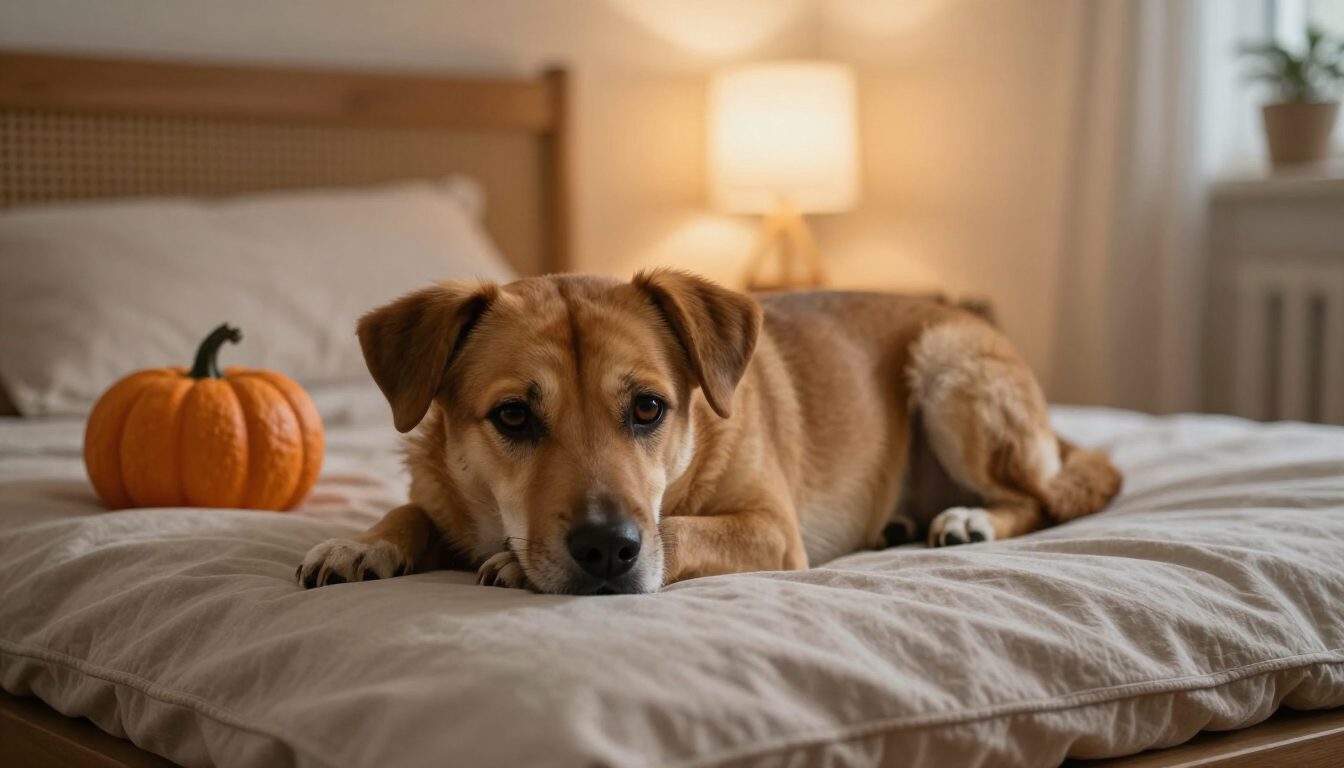

7 Halloween Safety Tips for Dogs
Halloween safety tips for dogs help prevent poisoning, stress, injuries, and escapes during a busy holiday. Keep chocolate, xylitol, and raisins away from dogs; choose a loose, comfortable costume or skip one; secure doors before trick-or-treaters arrive; and give anxious or newly adopted dogs a quiet, predictable retreat.
Which Halloween treats are toxic to dogs?
The safest Halloween treat for your dog is one made specifically for dogs. Human candy can contain ingredients that cause anything from stomach upset to life-threatening poisoning.
- Chocolate: Dark chocolate, baking chocolate, and cocoa powder are especially dangerous because they contain more theobromine and caffeine. Signs may include vomiting, restlessness, tremors, rapid breathing, or seizures.
- Xylitol: This sugar substitute may appear in sugar-free candy, gum, mints, baked goods, and some peanut butters. Even a small amount can cause a dangerous drop in blood sugar and liver failure.
- Raisins and grapes: These may be hidden in trail mix, snack bars, or baked treats. They can cause sudden kidney injury, and there is no reliably safe amount.
- Candy wrappers: Foil and plastic wrappers can cause choking or an intestinal blockage, even when the candy itself is safe.
- High-fat treats: Greasy leftovers and rich desserts may trigger painful pancreatitis.
Keep candy bowls on a high counter or inside a closed cabinet. Ask children not to share treats, and sweep the floor after parties or trick-or-treating. Store the packaging until you know exactly what your dog consumed.
What should you do if your dog eats Halloween candy?
Act quickly, even if your dog appears normal. Remove the remaining food, identify the product and ingredients, estimate how much was eaten, and note your dog’s weight. Call your veterinarian or an animal poison control service immediately for specific guidance. Do not induce vomiting unless a veterinary professional tells you to do so.
Seek urgent veterinary care for weakness, collapse, repeated vomiting, tremors, seizures, trouble breathing, or unusual agitation. Early treatment can make a major difference.
How do you choose a safe dog costume?
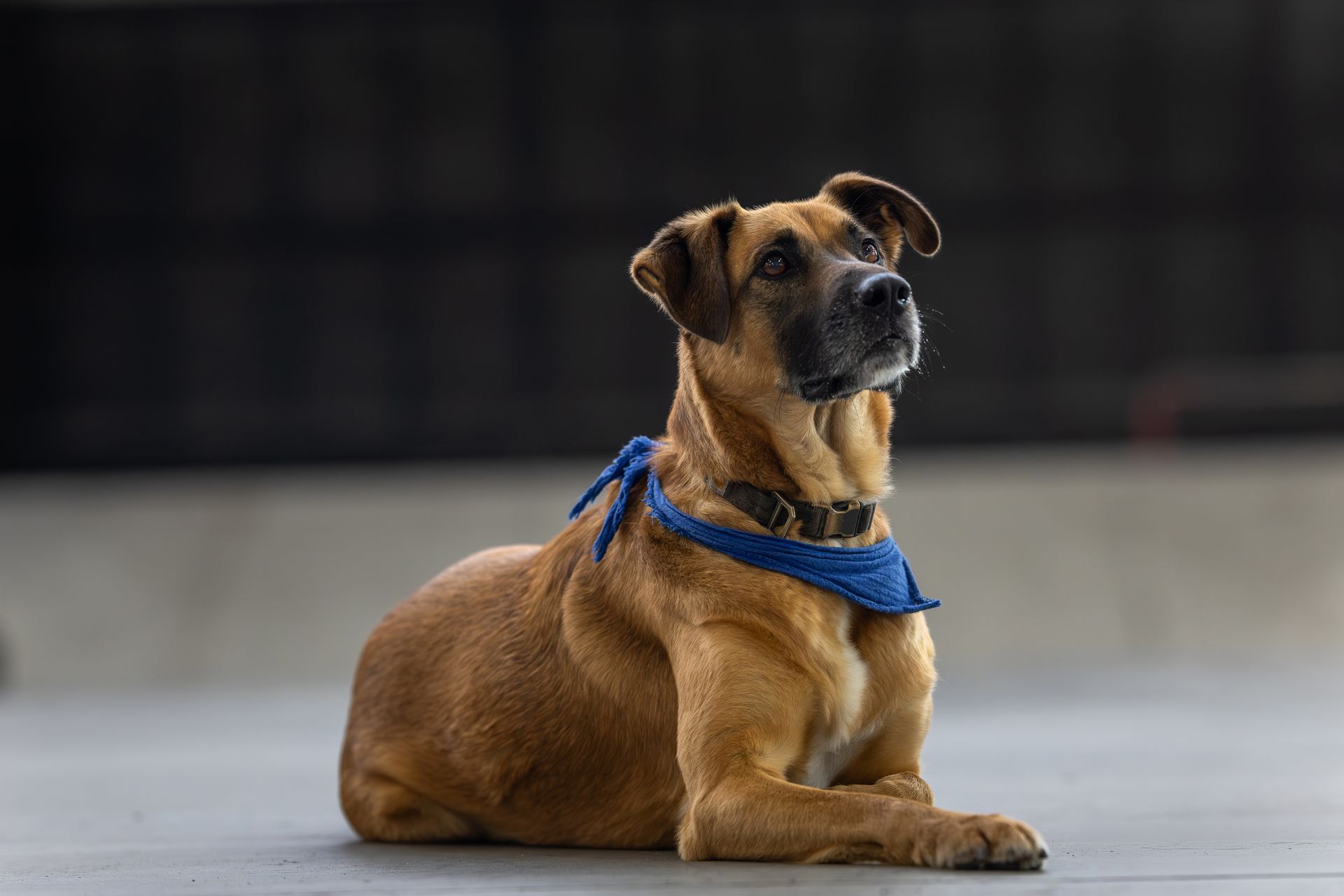
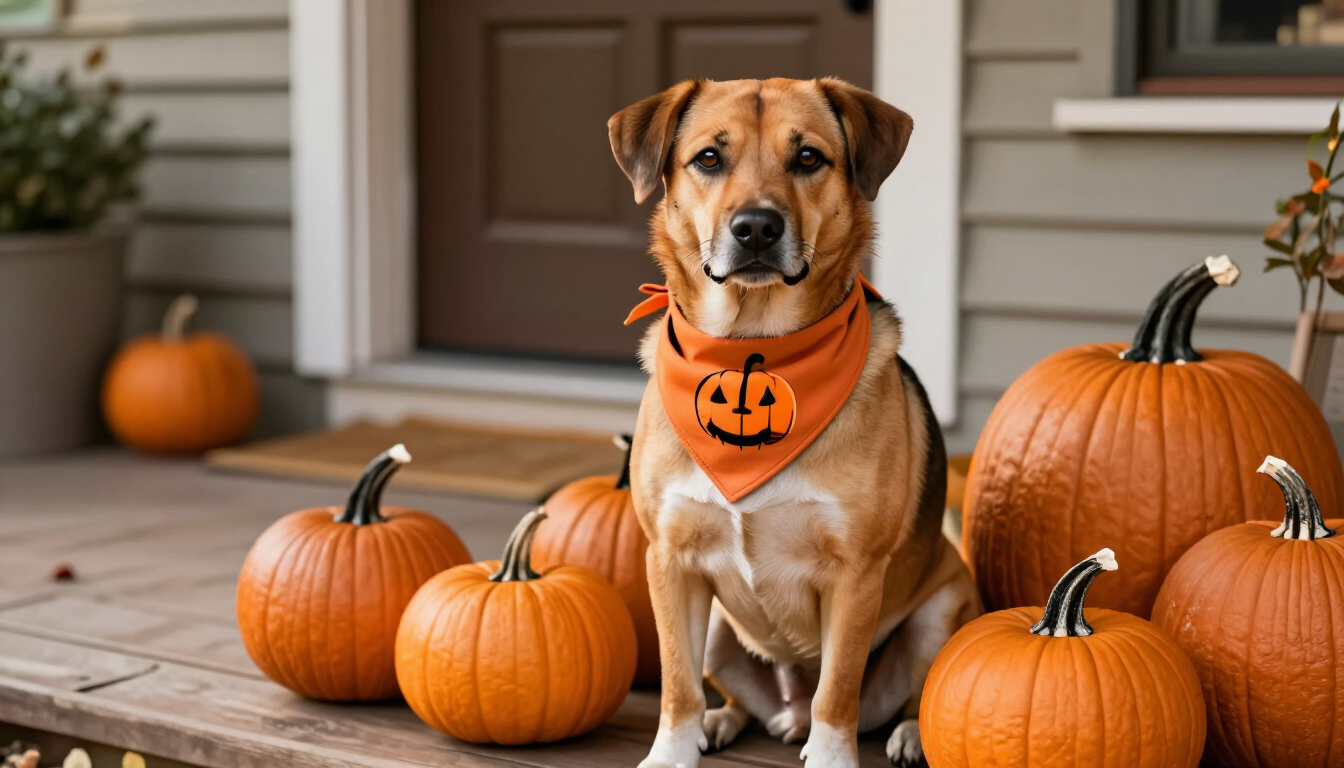
A costume should be optional, brief, and comfortable. Many dogs prefer a festive bandana, collar accessory, or pumpkin-themed leash to a full outfit. Never force clothing on a dog that freezes, hides, growls, pants heavily, or repeatedly tries to remove it.
Choose a costume that:
- Allows your dog to walk, sit, lie down, see, hear, pant, and use the bathroom normally.
- Fits securely without pressing on the neck, chest, or joints.
- Has no dangling ties, small decorations, elastic pieces, or chewable parts.
- Does not cover the eyes, nose, mouth, ears, or identification tags.
- Is made from breathable, non-irritating fabric.
Introduce the costume several days before Halloween. Let your dog sniff it, reward calm behavior, and try it for only a few seconds at first. Increase the time gradually, removing it at the first sign of discomfort. Supervise your dog the entire time the costume is being worn.
How can you stop a dog from bolting when the door opens?
Repeated doorbells, costumes, excited visitors, and an open doorway create an escape risk. The best approach is management first, followed by calm reward-based training.
Before trick-or-treaters arrive:
- Check that your dog’s collar or harness fits correctly and that identification details are current.
- Take your dog for a relaxed walk or enrichment session earlier in the evening.
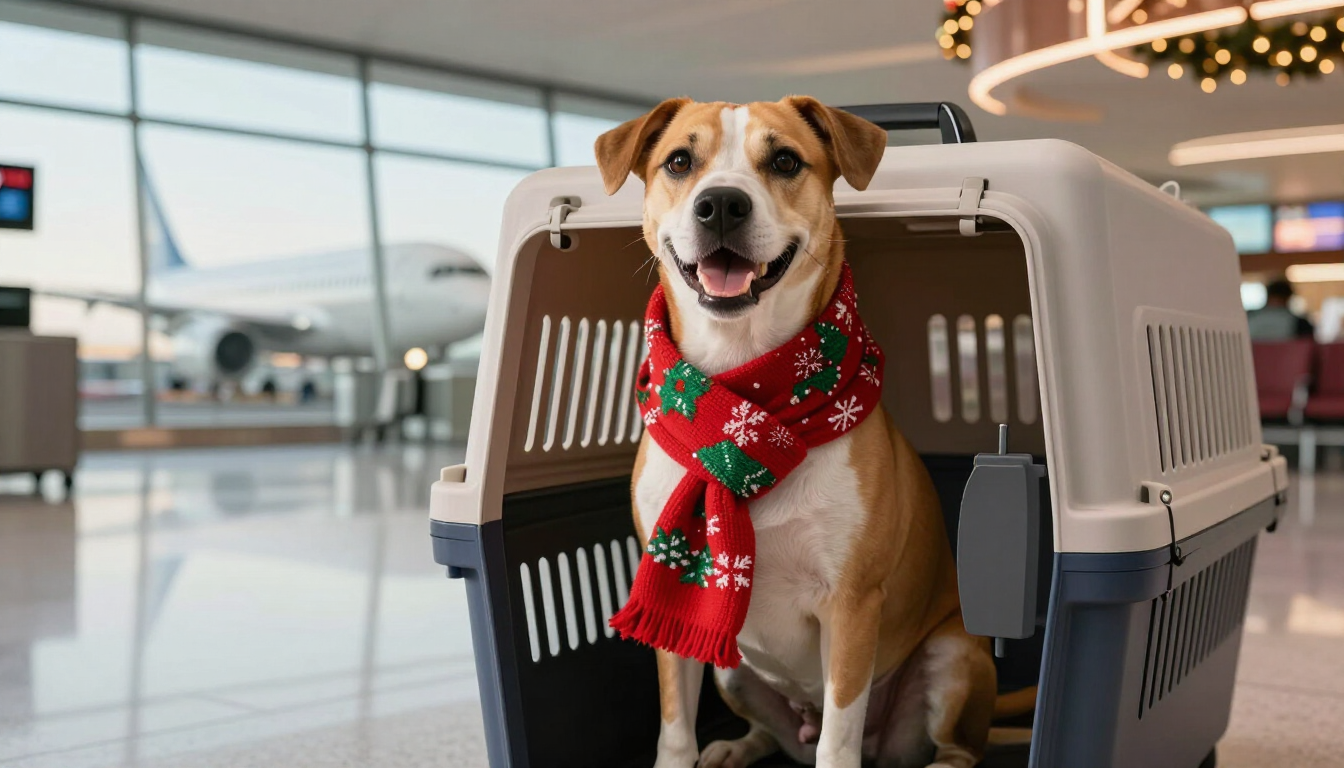
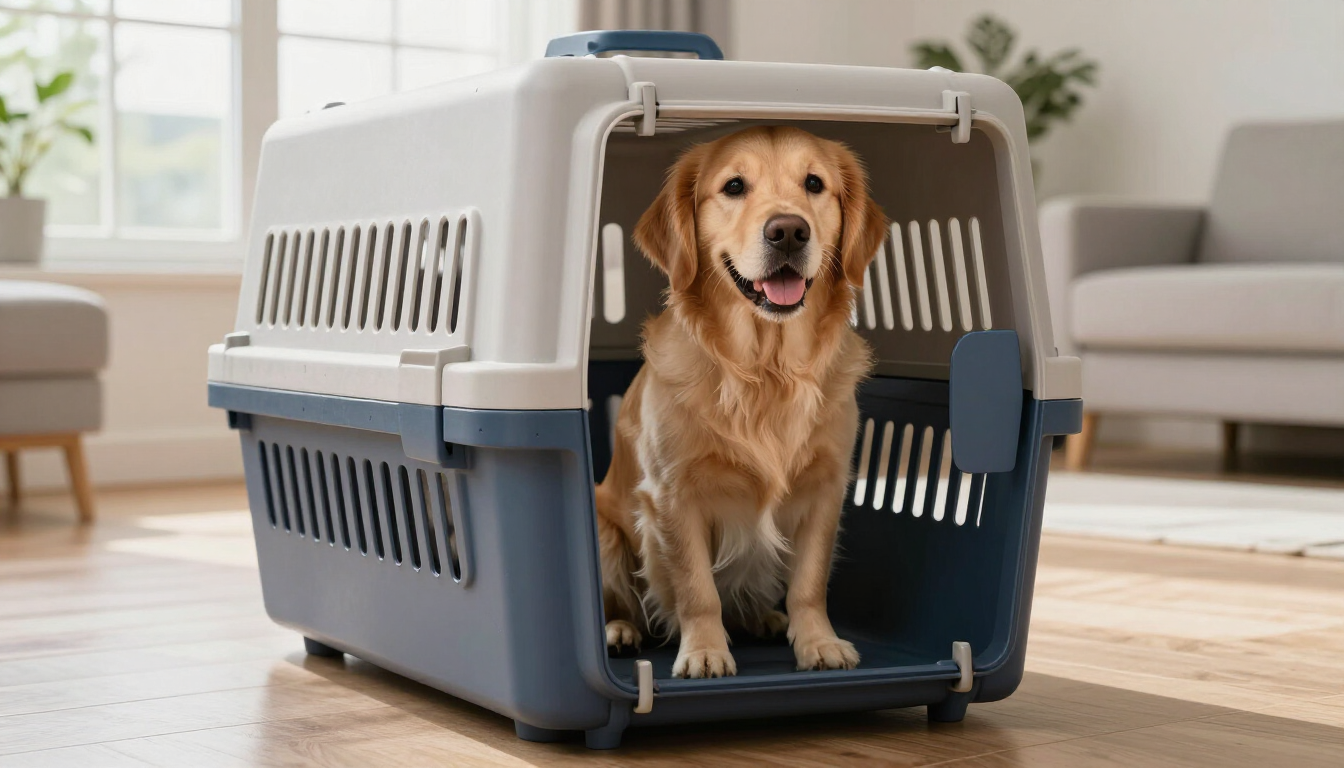
- Set up a baby gate, closed room, crate, or exercise pen well away from the entrance.
- Place treats, water, bedding, and a favorite toy in that safe area.
- Tell every household member where the dog will stay and keep the exterior door closed.
A quiet room is often safer than asking a nervous dog to greet dozens of strangers. If your dog enjoys visitors, practice a “place” cue: reward your dog for moving to a mat, then gradually add gentle door-knocking sounds. Keep sessions short and successful.
Never leave a dog unattended in a yard during Halloween. Frightened dogs can jump fences, slip harnesses, or react defensively to unfamiliar people. For additional planning around animal movement and documentation, review Rue’s Import Process or Export Process .
How do you calm an anxious or newly adopted rescue dog?
Halloween can be overwhelming for a rescue dog that is still learning that a new home is safe. Prioritize predictability over participation. Your dog does not need to attend a party, wear a costume, or greet visitors.
Create a calm retreat before the evening begins. Use a familiar bed or crate, soft background noise, dim lighting, and a long-lasting dog-safe chew or food puzzle. Close curtains if passing figures, flashing lights, or decorations increase fear. Ask visitors not to enter the retreat or reach toward your dog.
Watch for stress signals such as lip licking, yawning, tucked posture, pacing, hiding, trembling, panting, whale eye, growling, or refusal of food. These behaviors communicate that your dog needs more distance. Move to a quieter space rather than scolding or forcing interaction.
If your dog has a history of panic, aggression, or severe noise sensitivity, speak with your veterinarian well before the holiday. A qualified behavior professional can help you create a gradual plan. Never give human medication or a calming product without veterinary advice.
A simple Halloween safety checklist
Use this quick check before the first doorbell rings:
- Candy, wrappers, grapes, raisins, and sugar-free products are inaccessible.
- Your dog’s collar, harness, microchip, and contact information are current.
- The dog has a secure retreat stocked with water, bedding, and enrichment.
- Any costume has been tested, fits comfortably, and will be supervised.
- Everyone knows the door and visitor plan.
Frequently asked questions
Can dogs eat pumpkin on Halloween?
Plain, cooked pumpkin in a small amount is generally safe for many dogs, but pumpkin desserts may contain sugar, spices, butter, chocolate, or xylitol. Offer only plain pumpkin approved by your veterinarian, and avoid candles or decorations that your dog could chew.
Are glow sticks safe for dogs?
Glow-stick liquid is usually irritating rather than highly poisonous, but chewing one can cause drooling, pawing at the mouth, and stomach upset. Keep glow products away from pets and call your veterinarian if one is punctured or swallowed.
Should my dog go trick-or-treating?
Only if your dog is confident, well-managed, comfortable around strangers, and protected by a secure harness and leash. For anxious, reactive, elderly, or newly adopted dogs, staying home in a quiet room is usually the kinder choice.
When should I contact a veterinarian?
Contact a veterinarian immediately after possible chocolate, xylitol, raisin, or grape ingestion, or whenever your dog shows severe or unusual symptoms. Bring the product package if possible, and do not wait for signs to worsen.
Final takeaways for a safer Halloween
The best Halloween safety tips for dogs are simple: prevent access to toxic treats, choose comfort over costumes, secure your entryway, and let anxious dogs celebrate quietly. Prepare the safe room before visitors arrive, confirm your dog’s identification details, and use reward-based training rather than punishment. If your dog eats suspicious food or shows troubling symptoms, contact a veterinary professional promptly. With a little planning, families can enjoy pumpkins, photos, and festive traditions while helping every dog feel secure.