


10 Tips: First 30 Days With Your International Rescue Dog

September 28, 2026

Share this article

The first 30 days with an international rescue dog focuses on decompression, safety, and routine. During this timeline, your dog recovers from flight stress and jet lag. Expect a 'shutdown' phase initially; focus on a quiet environment, escape prevention, and gradual bonding rather than immediate training or intense socialization.

Bringing home a new family member is always a momentous occasion, but when that family member has just crossed oceans and continents to reach you, the experience is uniquely complex. For newly matched adopters and foster families, the arrival of an international rescue dog is the culmination of weeks or even months of anticipation. You have likely spent hours looking at photos, reading temperament reports, and coordinating with rescue volunteers to ensure a smooth transition. Now that the day has finally arrived, it is vital to understand that your new companion is navigating a world that looks, smells, and sounds entirely different from anything they have ever known.

At Rue's Kennels, we understand the intricacies of the Import Process and the physical toll long-distance travel takes on these resilient animals. Whether your dog spent hours in a climate-controlled cargo hold or traveled via a specialized transport service, they are arriving with a significant 'cortisol debt.' This means their stress hormones are peaking, and their bodies are in survival mode. Our team at Rue's Family has seen firsthand how a supportive environment in those initial hours can set the stage for a lifetime of success. The first 30 days are not about teaching 'sit' or 'stay'; they are about proving to your dog that they are finally safe.

Why is my international rescue dog so tired and quiet?

It is incredibly common for adopters to expect a dog to burst out of their crate with wagging tails and grateful licks. Instead, many international rescues exhibit what we call 'shutdown' behavior. A jet-lagged rescue dog may appear lethargic, refuse to make eye contact, or spend the first several days huddled in the back of their crate. This is a physiological response to the overwhelming sensory input of a new country. Everything—from the hum of your refrigerator to the scent of your laundry detergent—is foreign to them.

This quietness is actually a coping mechanism. By shutting down, the dog is processing the massive change in their environment while their body recovers from the exhaustion of travel. They are essentially 'powering down' to conserve energy. Do not be discouraged if they don't want to play with toys or if they seem indifferent to your affection. This is not a reflection of their true personality; it is simply the sound of a nervous system trying to find its baseline after an international journey.

Understanding the decompression timeline

To manage your expectations, we recommend following the '3-3-3 Rule' for rescue dogs, adjusted for the unique needs of international travelers. The international dog decompression timeline usually follows three distinct phases:

  • The First 3 Days: This is the 'feeling overwhelmed' phase where the dog is likely to be shut down, may not eat, and will spend most of their time sleeping.
  • The First 3 Weeks: The dog begins to realize they are safe and starts to show glimpses of their personality, though they may still test boundaries or experience anxiety.
  • The First 3 Months: By this point, the dog is usually fully settled into your routine, has built a solid bond with you, and understands that this is their forever home.
A peaceful rescue dog resting on a soft rug in a quiet room

Setting up the perfect quiet recovery space

Before your dog arrives, you must designate a specific area of your home as their 'safe zone.' This should be a low-traffic area, such as a spare bedroom or a quiet corner of the living room, where they won't be constantly interrupted by children, other pets, or household noise. For an international rescue dog, 'less is more' during the first 30 days. Avoid the temptation to invite friends over or take them to a busy pet store. Their world needs to remain small while they process the large-scale change of their relocation.

Fill this space with familiar comforts: a sturdy crate (which many dogs find incredibly grounding), a soft bed, and perhaps an unwashed t-shirt that smells like you. Provide fresh water and high-value food, but don't be surprised if they don't touch it while you are in the room. Many rescue dogs feel too vulnerable to eat in front of humans initially. By giving them a space where they can be alone, you are giving them the gift of autonomy, which is the fastest way to build trust with a dog that has had very little control over their recent life.

How do I keep a flight-risk rescue dog safe?

Safety is the absolute priority when bringing an international dog home. These dogs are at a high risk for bolting because they have no 'homing' instinct for your neighborhood yet. If they get loose in the first few days, they won't know how to find their way back. A sudden noise, like a car backfiring or a heavy door slamming, can trigger a flight response in a dog that is already on edge from travel stress. You must treat every door and gate as a potential escape route.

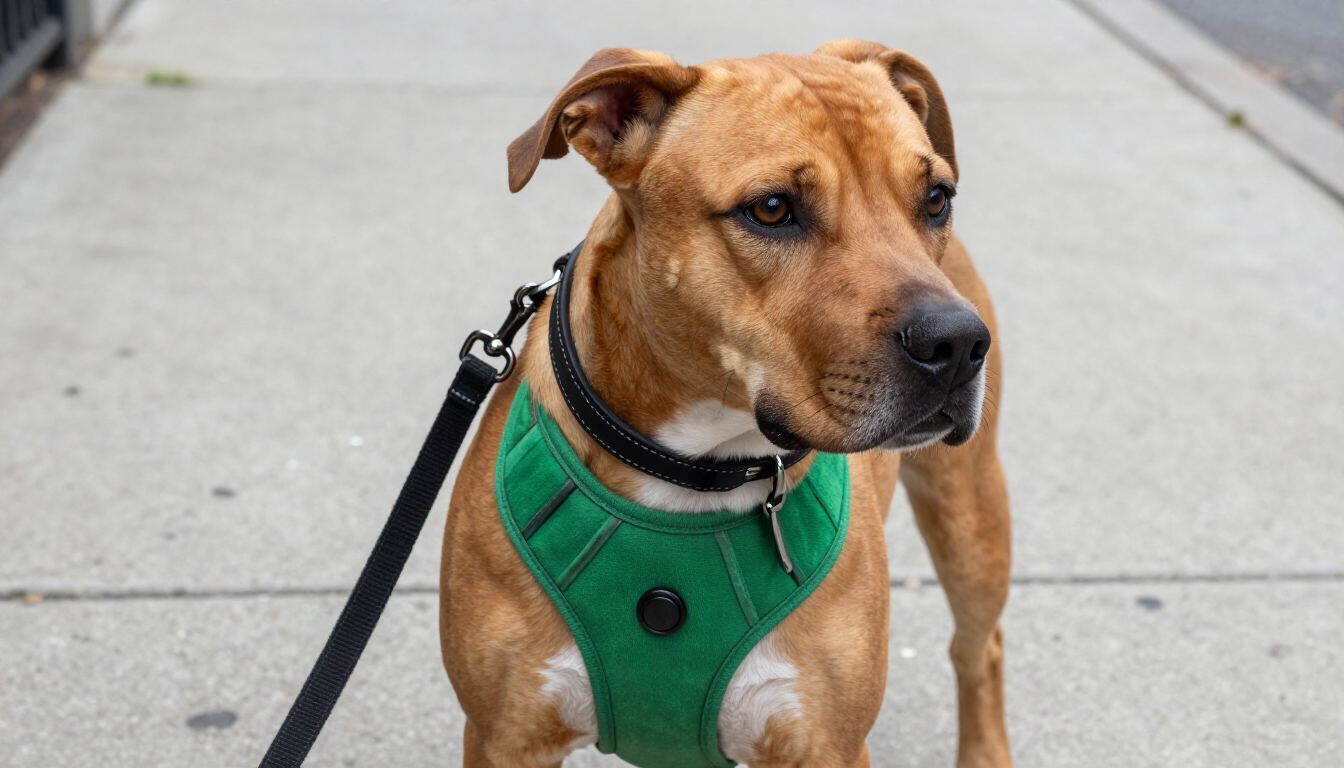
To ensure international rescue dog safety, we recommend a 'double-leashing' protocol for at least the first month. This involves using two separate points of contact so that if one fails, the dog is still secured. This is not just for walks; it is for any time the dog is not in a fully secured indoor environment. Many rescues use Martingale collars specifically because they tighten just enough to prevent a dog from slipping their head out if they panic and pull backward.

  • Use a well-fitted Martingale collar paired with a sturdy back-clip harness.
  • Attach one leash to the collar and a separate leash (or a safety connector) to the harness.
  • Always hold both leashes firmly or loop one around your waist.
  • Ensure all gates are locked and check for gaps under fences before letting the dog out.
  • Implement a 'two-door' rule, ensuring one door is closed before the next is opened.

These precautions might feel extreme, but they are essential. A frightened dog can move with incredible speed, and preventing an escape is much easier than recovering a lost dog in an unfamiliar city. For more information on handling specific breeds, you can always Contact our team for advice.

A dog wearing a secure harness and collar being walked carefully

How to handle a dog that won't eat or play?

It is very common for a newly arrived international dog to go on a brief hunger strike. The combination of jet lag, new smells, and the vibration of the plane can lead to significant gastrointestinal upset. If your dog doesn't eat for the first 24 to 48 hours, try not to panic. Offer plain, tempting foods like boiled chicken and rice or wet food mixed with warm water to increase the aroma. If they still refuse, leave the food in their safe zone and walk away. Sometimes, the pressure of being watched is enough to put a stressed dog off their meal.

Similarly, do not expect them to engage in play. Play is a 'high-tier' behavior that only happens when an animal feels completely safe. In the first 30 days, their focus is on survival and observation. You might see them 'pancaking' (laying flat on the floor) or 'whale eyeing' (showing the whites of their eyes). These are signs that they are overstimulated. If your dog chooses to spend their time staring at the wall or sleeping, let them. They are doing the hard work of internalizing their new reality, and play will come naturally once the cortisol levels drop.

What should I expect during the first vet visit?

While you might be eager to get your dog a full check-up immediately, we usually recommend waiting 7 to 10 days unless there is a medical emergency. The stress of another car ride and a clinical environment can be a major setback for a dog that just finished an international flight. When you do go, ensure your vet is familiar with international rescues. They will need to check for heartworm, specialized parasites, and ensure that all vaccinations are recorded correctly in your local system.

During this first visit, keep things as low-stress as possible. Bring lots of high-value treats and ask the vet to do a 'happy visit' where the dog just gets weighed and fed treats without any invasive procedures if they aren't strictly necessary. This helps prevent the vet's office from becoming a place of fear. Remember to bring all the documentation provided by the rescue and Rue's Kennels to ensure your vet has a complete history of the dog's journey and health status. Consistency in medical care is key to their long-term well-being.

Realistic expectations for house training and bonding

House training often takes a temporary backseat during the first 30 days. Even a dog that was perfectly house-trained in their country of origin may have accidents in your home. This is rarely about 'not knowing' where to go and almost always about stress or the lack of a established routine. Establish a strict schedule, taking them outside every few hours, and celebrate every success with quiet praise. Avoid scolding for accidents; it will only increase their anxiety and slow down the bonding process.

Bonding with an international rescue dog is a marathon, not a sprint. The strongest bonds are built on a foundation of respect for the dog's space. Sit on the floor near them without trying to touch them. Read a book aloud so they get used to the sound of your voice. When they eventually approach you for a sniff, stay still and let them lead the interaction. These small moments of choice-based engagement are the building blocks of a deep, lifelong connection that will flourish long after the first 30 days have passed.

A person sitting on the floor reading a book near a resting dog

In summary, the transition period for an international rescue dog is a time of immense growth disguised as quiet recovery. By prioritizing safety, respecting the decompression timeline, and maintaining realistic expectations, you are giving your new companion the best possible start. If you ever feel overwhelmed, remember that at Home or abroad, patience is the most valuable tool in your kit.

  • Prioritize Safety: Use double-leashing and secure all exits to prevent flight-risk incidents.
  • Respect Decompression: Follow the 3-3-3 rule and allow for 'shutdown' behavior without pressure.
  • Create a Sanctuary: Provide a quiet, low-traffic safe zone with familiar comforts.
  • Go Slow: Delay non-essential vet visits and social introductions for at least one week.
  • Build Trust: Focus on presence and routine rather than active training in the first month.

Recent Posts

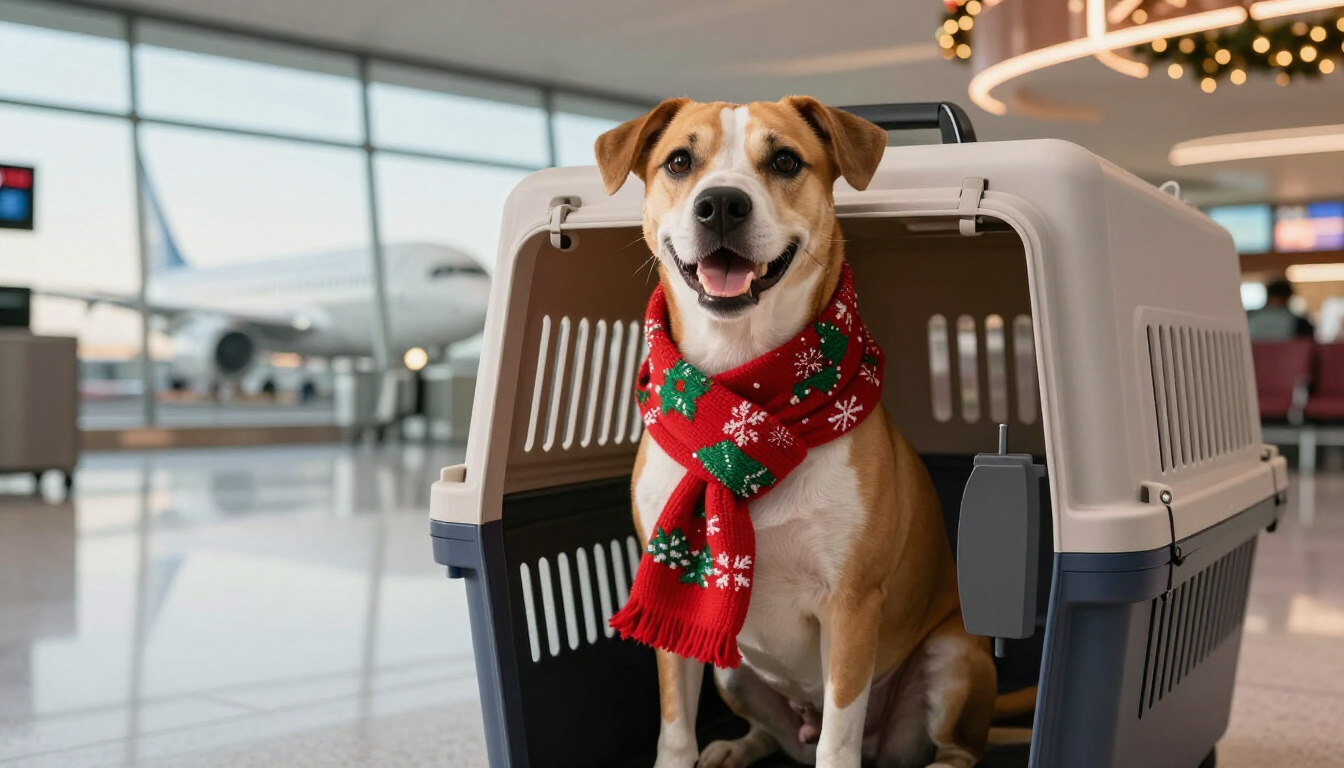
A dog waiting at the airport for a holiday flight to the United States.
September 21, 2026
Plan your dog's holiday travel to the U.S. with our 90-day countdown. Learn why September is the deadline for USDA, CDC, and airline bookings to ensure a winter arrival.
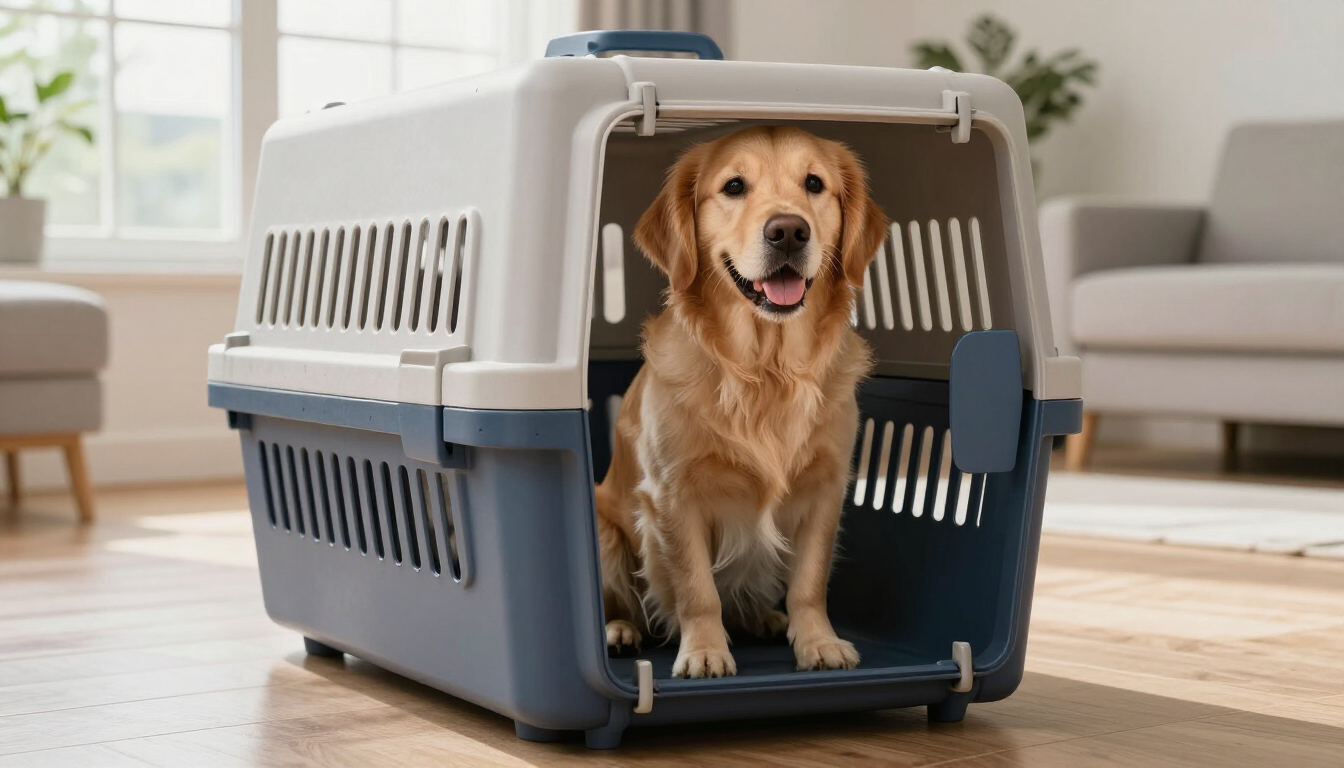
A dog sitting comfortably in an airline approved travel crate.
September 14, 2026
Learn how to choose and prepare an IATA-compliant travel crate for your dog. This guide covers measurements, airline rules, and a 4-week acclimation plan for safe flight.
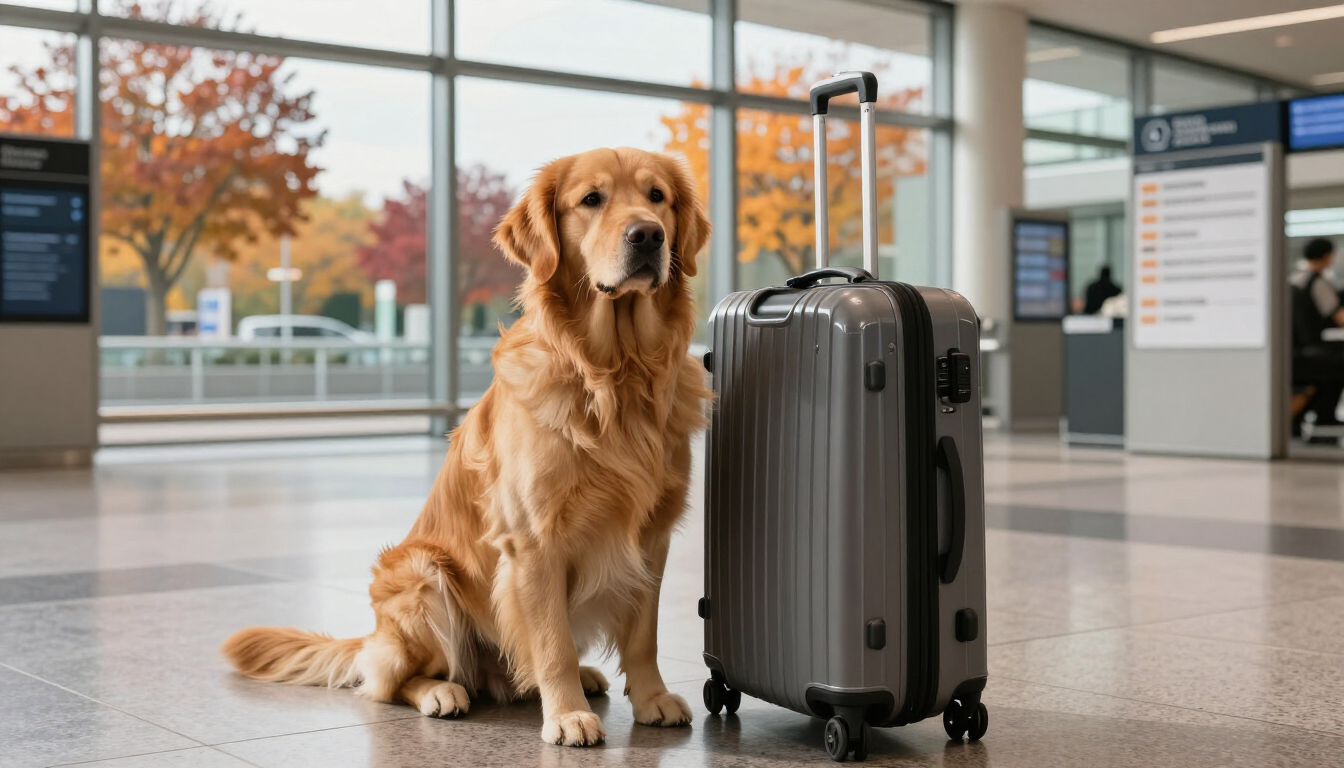
A dog prepared for international travel during the autumn season.
September 7, 2026
Discover why fall is the safest window for international dog travel to or from Los Angeles. Learn about lifting heat embargoes, CDC requirements, and booking tips.
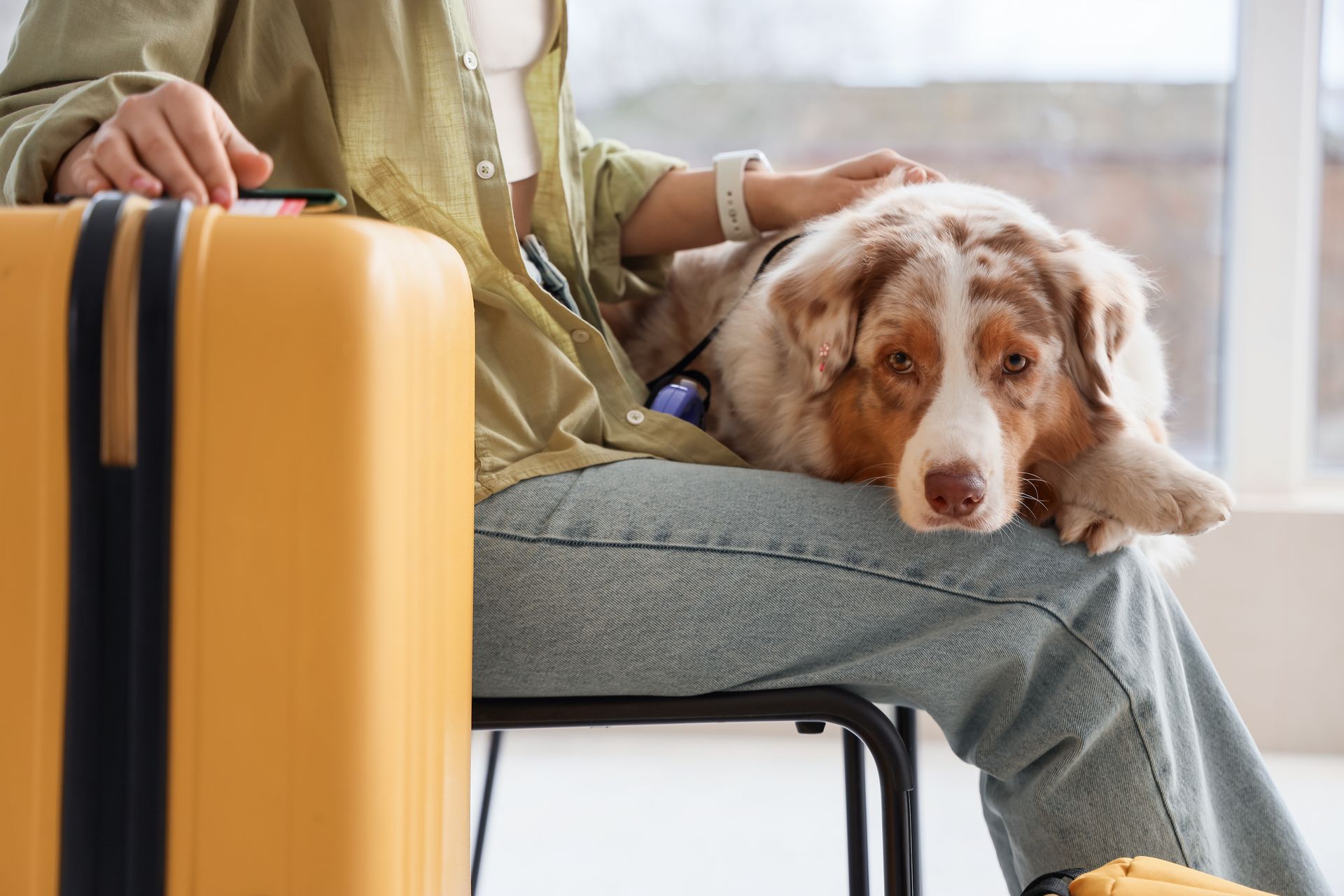
By VIV Builder • August 31, 2026
Prepare your dog for international travel through LAX with tips on crates, paperwork, airline rules, and import/export planning.
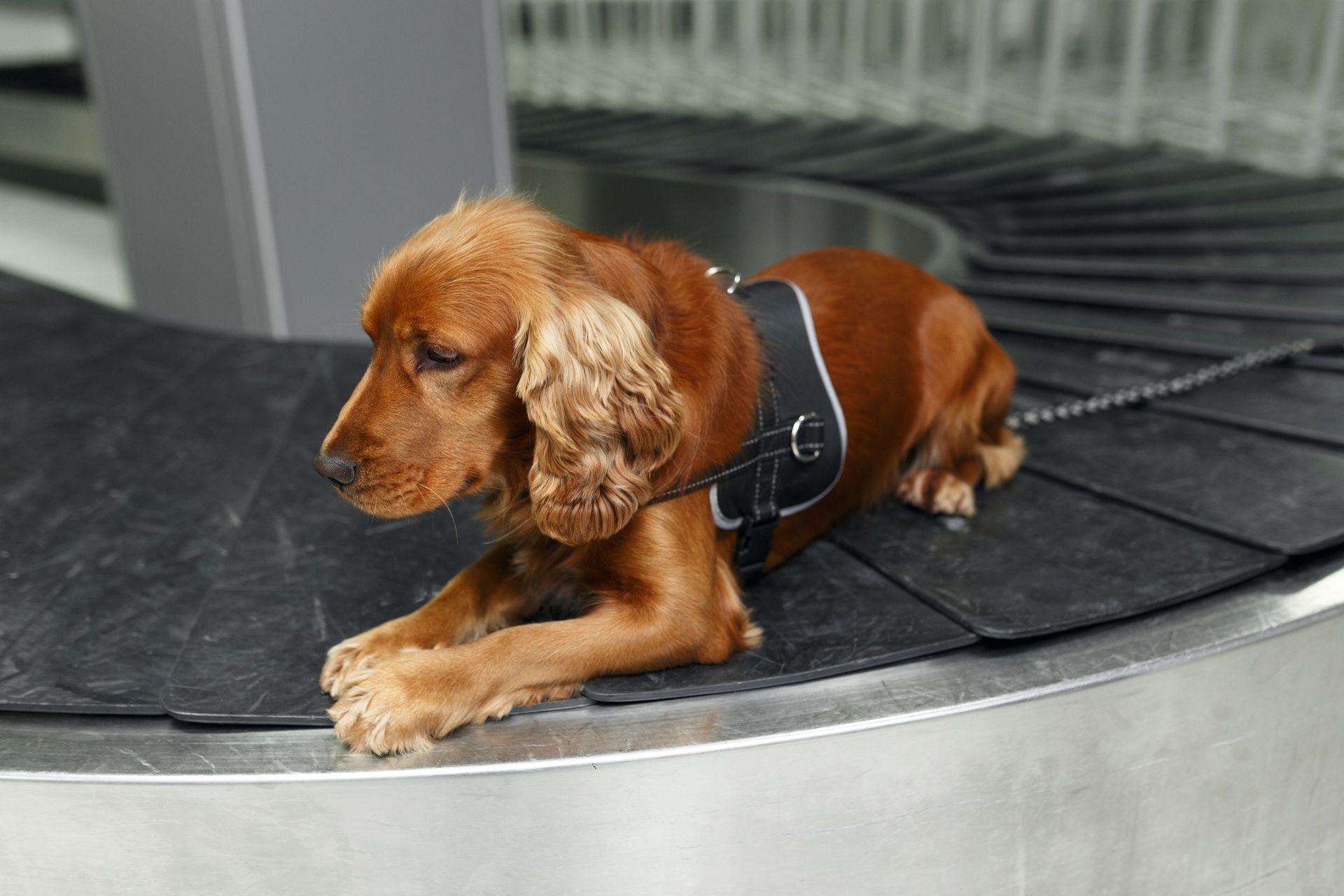
By VIV Builder • August 24, 2026
Learn what to expect when picking up your dog at LAX cargo, including customs, CDC requirements, paperwork, and release procedures.
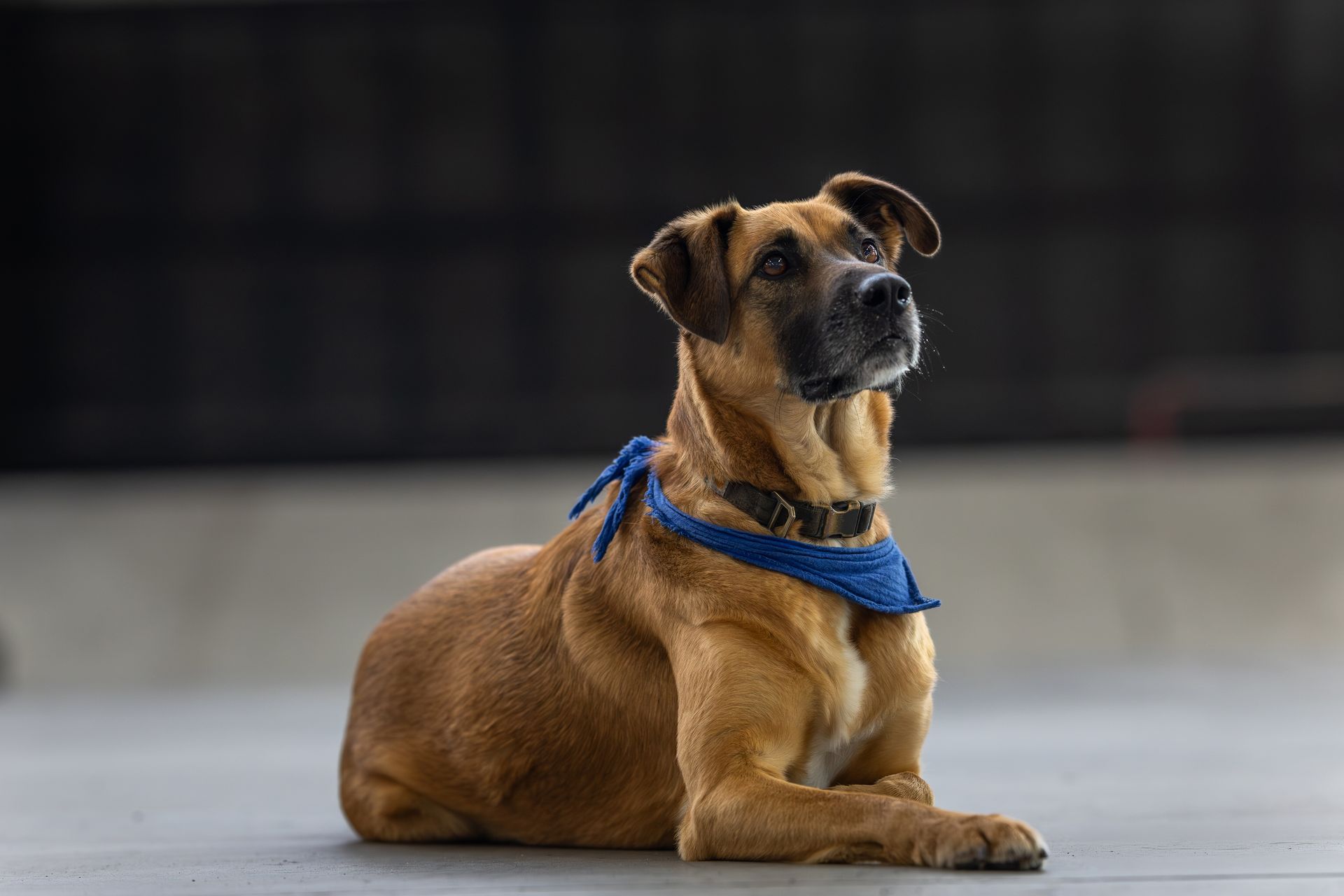
By VIV Builder • August 17, 2026
Learn how to import a rescue dog through LAX with guidance on CDC rules, paperwork, customs, and safe arrival planning.
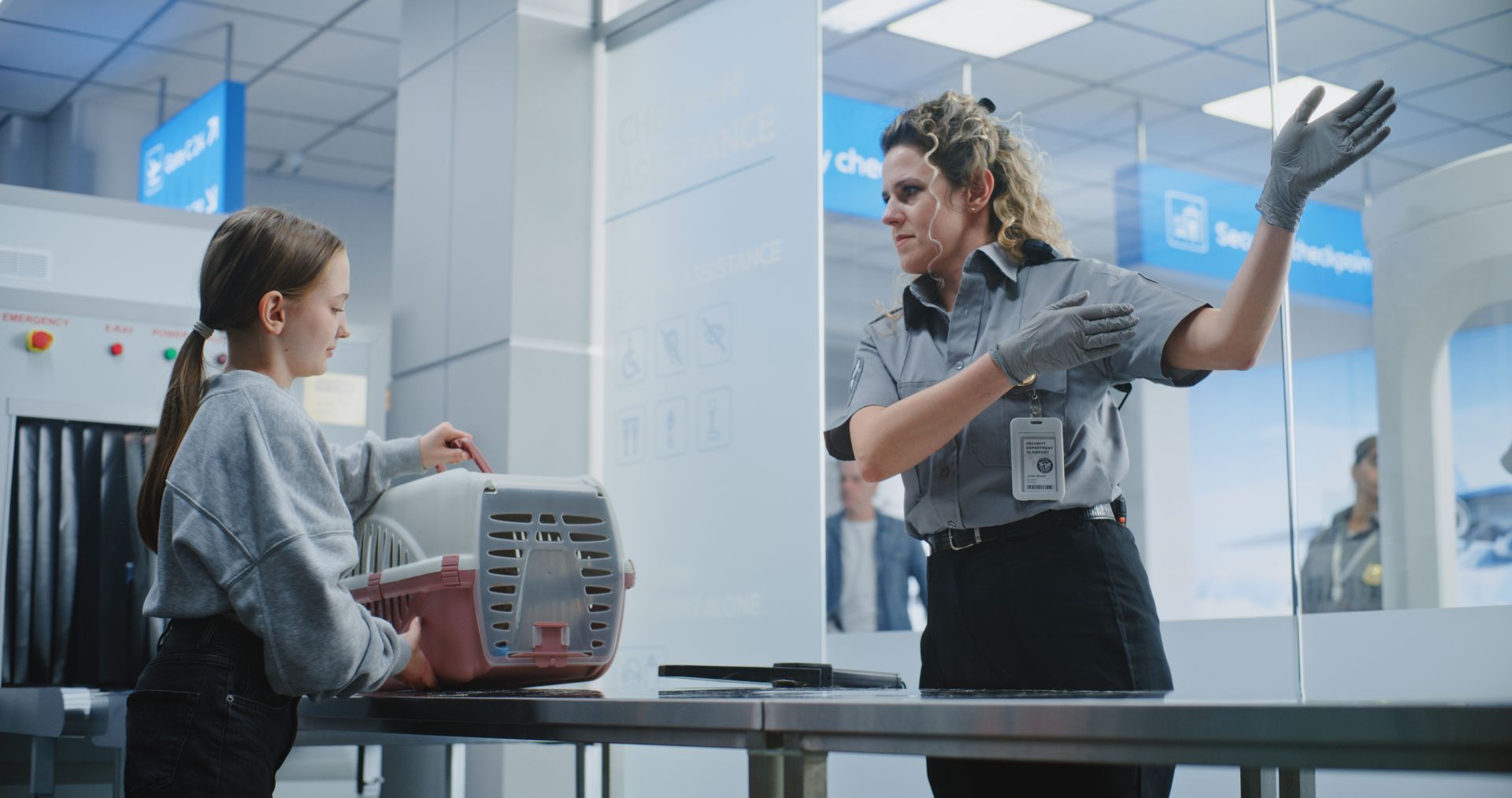
By VIV Builder • August 10, 2026
Learn common causes of dog import delays at LAX and how proper planning, paperwork, and CDC compliance can help avoid problems.
By VIV Builder • August 10, 2026
Learn how to export a dog from LAX, including health certificates, airline requirements, USDA documents, and international travel planning.

By VIV Builder • August 3, 2026
Learn why a CDC-licensed animal care facility near LAX is important for international dog imports, customs, and safe pet arrivals.

By VIV Builder • July 27, 2026
Learn what happens after your dog lands at LAX, including cargo, customs, CDC requirements, inspections, and the pet release process.
Show More