7 Halloween Safety Tips for Rescue Dogs

November 2, 2026

Share this article

Halloween can be especially stressful for a recently imported rescue dog because unfamiliar sounds, smells, visitors, and routines arrive all at once. The best Halloween safety for rescue dogs combines a quiet retreat, secure supervision, toxic-food prevention, and patience. Keep the evening predictable, give your dog space, and never force interactions with costumed guests.

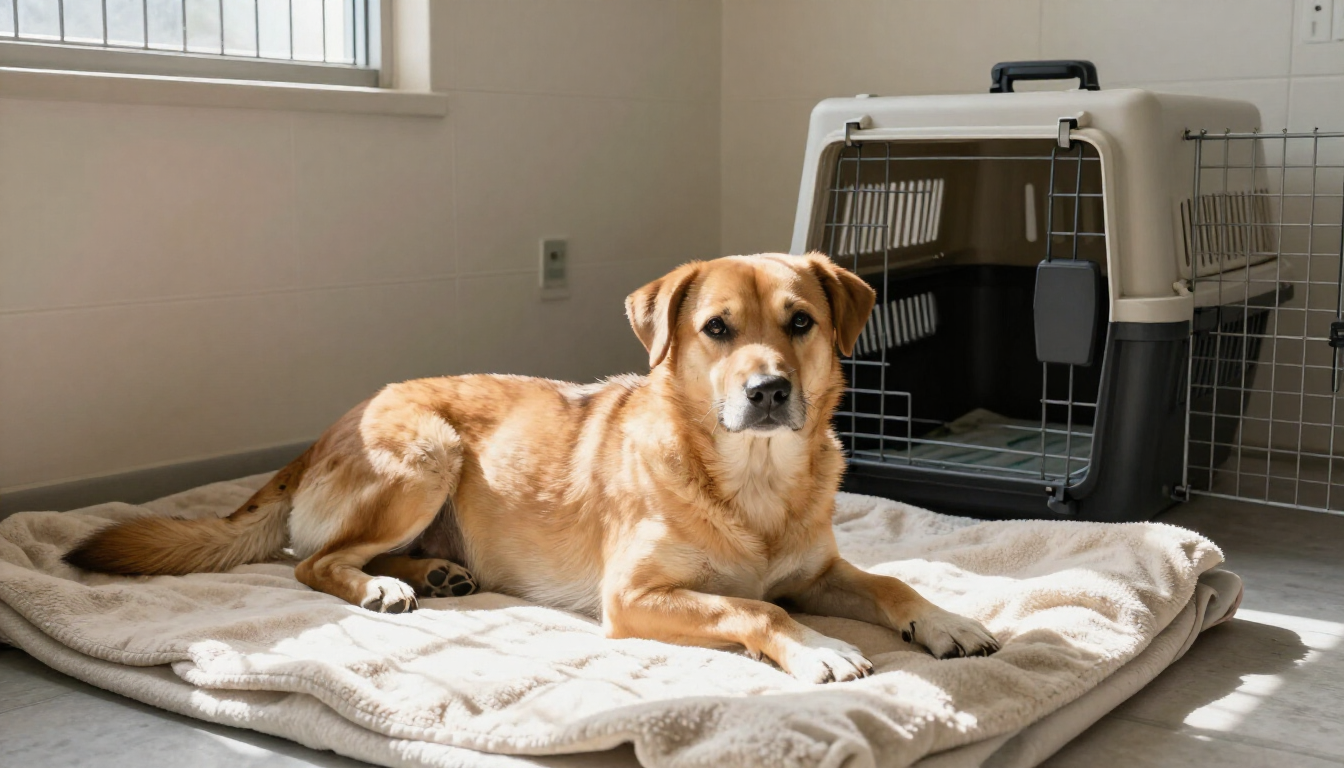
Recently imported rescue dog relaxing in a quiet room

Why Can Halloween Overwhelm a Recently Imported Rescue Dog?

A rescue dog who has just arrived from overseas is already processing major changes. New floors, appliances, traffic sounds, voices, scents, and household routines can all feel unfamiliar. Some dogs may also be recovering from travel fatigue, quarantine, illness, or the stress of leaving a foster environment.

Halloween adds a concentrated burst of stimulation:

  • Repeated doorbells and knocking
  • Strangers appearing in masks or costumes
  • Children running, shouting, or reaching toward the dog
  • Doors opening frequently toward the street
  • Candy, wrappers, decorations, and candles within reach

Fear may look like hiding, freezing, trembling, panting, barking, pacing, growling, or trying to escape. These behaviors are communication, not stubbornness. A calm response helps your dog learn that home is safe.

How Do You Create a Halloween Safe Room?

Set up a quiet “safe room” before trick-or-treating begins. Choose an interior room, bedroom, or gated area away from the front door and the busiest windows. The goal is to reduce visual and sound exposure while giving your dog control over distance.

Include:

  1. A comfortable bed, blanket, or crate if your dog already views the crate positively
  2. Fresh water and a safe, long-lasting chew or food puzzle
  3. Familiar-smelling items, such as a blanket from the foster home
  4. Low music, white noise, or a fan to soften doorbells and outside sounds
  5. A securely fastened collar or harness with current identification

Introduce the room during the day, when the house is calm. Offer treats and allow your dog to explore without being pushed inside. Close curtains, secure windows, and use a baby gate if a closed door could increase anxiety.

Never use the safe room as punishment. It should feel like a retreat your dog can choose, not confinement imposed after a mistake.

Cozy dog safe room prepared with a bed, water, and soft lighting

Should Your Rescue Dog Wear a Halloween Costume?

Usually, no—especially if the dog is newly arrived, fearful, or still learning to trust your household. Costumes can restrict movement, cover the face, make unfamiliar sounds, or change how a person looks and smells. A dog may interpret a hat, mask, cape, or oversized sleeve as a threat.

If your dog is relaxed and already comfortable wearing clothing, keep any outfit simple and supervised. Check that it does not limit breathing, hearing, vision, walking, or access to water. Remove it immediately if your dog freezes, scratches, hides, licks the lips repeatedly, yawns, pants heavily, or tries to escape.

A seasonal bandana is optional, but your dog does not need to dress up to participate. Safety and comfort matter more than a photograph.

How Can You Keep Costumed Visitors Calm and Safe?

Do not require your rescue dog to greet trick-or-treaters. Even a friendly dog may react differently when people approach in masks, helmets, wigs, or unusual clothing. Children may also move unpredictably, which can be frightening for a dog still learning household boundaries.

Before evening begins:

  • Exercise your dog gently and provide a bathroom break, without exhausting them.
  • Move the dog to the safe room before the first visitor arrives.
  • Tell family members and guests not to enter the room.
  • Keep the front door secured and use a leash only when moving the dog.
  • Check that gates, fences, and identification details are secure.

If your dog must remain near the family, keep them behind a gate at a comfortable distance. Reward calm observation, but do not lure the dog toward people. If signs of fear increase, calmly return them to the safe room.

For broader preparation, review Rue’s Import Process information and contact the team through Contact if your dog’s transition includes travel or arrival concerns.

Which Halloween Treats Are Toxic to Dogs?

Keep all candy and treat packaging away from your dog. Chocolate can cause dangerous heart and nervous-system effects, and darker chocolate generally contains more theobromine. Sugar-free products may contain xylitol, an ingredient that can cause a rapid, life-threatening drop in blood sugar and may damage the liver.

Also keep dogs away from:

  • Raisins and grapes, including some chocolate-covered versions
  • Macadamia nuts
  • Alcohol-containing desserts or drinks
  • Candy wrappers, lollipop sticks, and small plastic pieces

Do not wait for symptoms if you suspect your dog ate chocolate, xylitol, raisins, or another dangerous item. Contact your veterinarian, an emergency veterinary hospital, or a pet poison service immediately. Have the product package, estimated amount, and your dog’s weight available. Do not induce vomiting unless a veterinary professional instructs you to do so.

Store candy in a closed cabinet, not on a low table or open kitchen counter. Ask children to keep treats in backpacks or sealed containers, and check the floor after visitors leave.

Bowl of Halloween candy kept safely away from a curious rescue dog

A Low-Stress Halloween Evening Plan

A predictable schedule can help a newly arrived dog handle an unpredictable night. Adjust this plan to your dog’s comfort level:

  1. Earlier in the day: Offer a calm walk or enrichment activity in a familiar, low-traffic area.
  2. Before dusk: Feed dinner, provide water, and prepare the safe room.
  3. Before the doorbell starts: Move your dog to the retreat with a chew or food puzzle.
  4. During trick-or-treating: Keep the room quiet, monitor remotely if possible, and avoid repeated check-ins that disturb your dog.
  5. Afterward: Remove candy, wrappers, and decorations before allowing supervised access to the rest of the home.

If your dog refuses food, that can be a sign the environment feels too intense. Lower the stimulation rather than insisting on treats.

What Should You Do If Your Dog Escapes?

Prevention is the priority, but prepare for an emergency. Keep a leash, flashlight, treats, and a recent photo near the door. Confirm that your dog’s microchip registration and identification tag information are current.

If your dog gets out, avoid chasing. Call calmly, use familiar food, and ask neighbors to pause rather than approach. Contact local shelters, animal control, and veterinary clinics quickly. A frightened rescue dog may hide instead of coming when called, so organized searching is safer than loud pursuit.

When Should You Ask a Veterinarian or Behavior Professional?

Seek professional help if your dog has intense panic, attempts to injure themselves, repeatedly tries to escape, snaps when approached, or cannot settle after the holiday. A veterinarian can check for medical issues and recommend appropriate support. A qualified, reward-based behavior professional can help you build confidence without punishment or forced exposure.

If your dog is newly imported, keep notes about triggers, appetite, sleep, and recovery time. This information can help your care team understand the adjustment process and create a realistic plan.

Halloween Safety Takeaways for Rescue Families

Halloween safety for rescue dogs is mainly about reducing pressure. Give your dog a private retreat, protect them from costumed visitors, keep chocolate and xylitol-containing products completely inaccessible, and secure every exit. Let your dog observe—or avoid—the celebration on their own terms. The next step is simple: prepare the safe room before Halloween night, share the plan with everyone in the household, and keep emergency contacts ready. A quiet, uneventful evening is a meaningful success for a dog learning that their new home is dependable.

Recent Posts

China Rescue Dogs arriving safely for adoption
November 9, 2026
Learn how China Rescue Dogs rescues, rehabilitates, quarantines, and transports dogs to Rue’s Kennels before partner rescues place them with families.
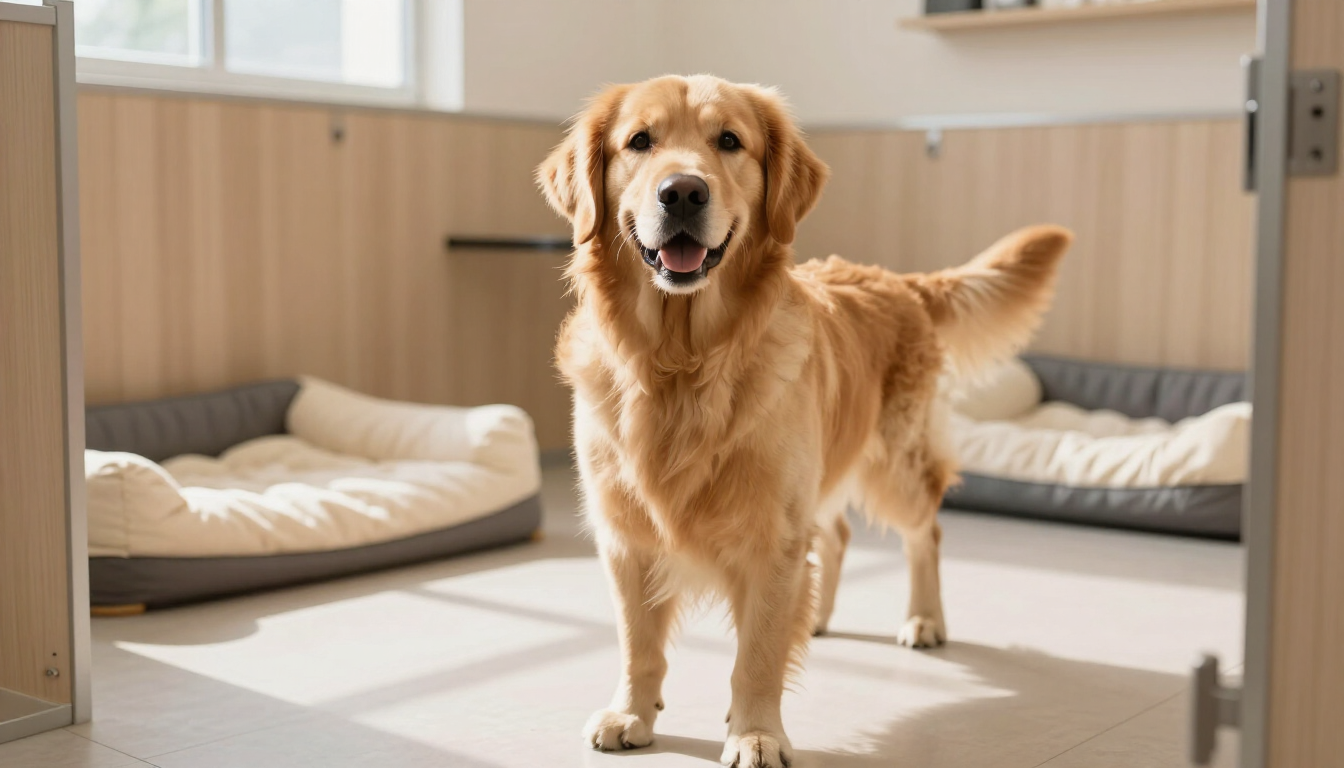
Happy dog relaxing in a clean, bright holiday boarding kennel
October 26, 2026
Planning holiday travel? Learn why holiday dog boarding fills fast, what to pack, typical vaccine requirements, and how to help your dog settle in comfortably.
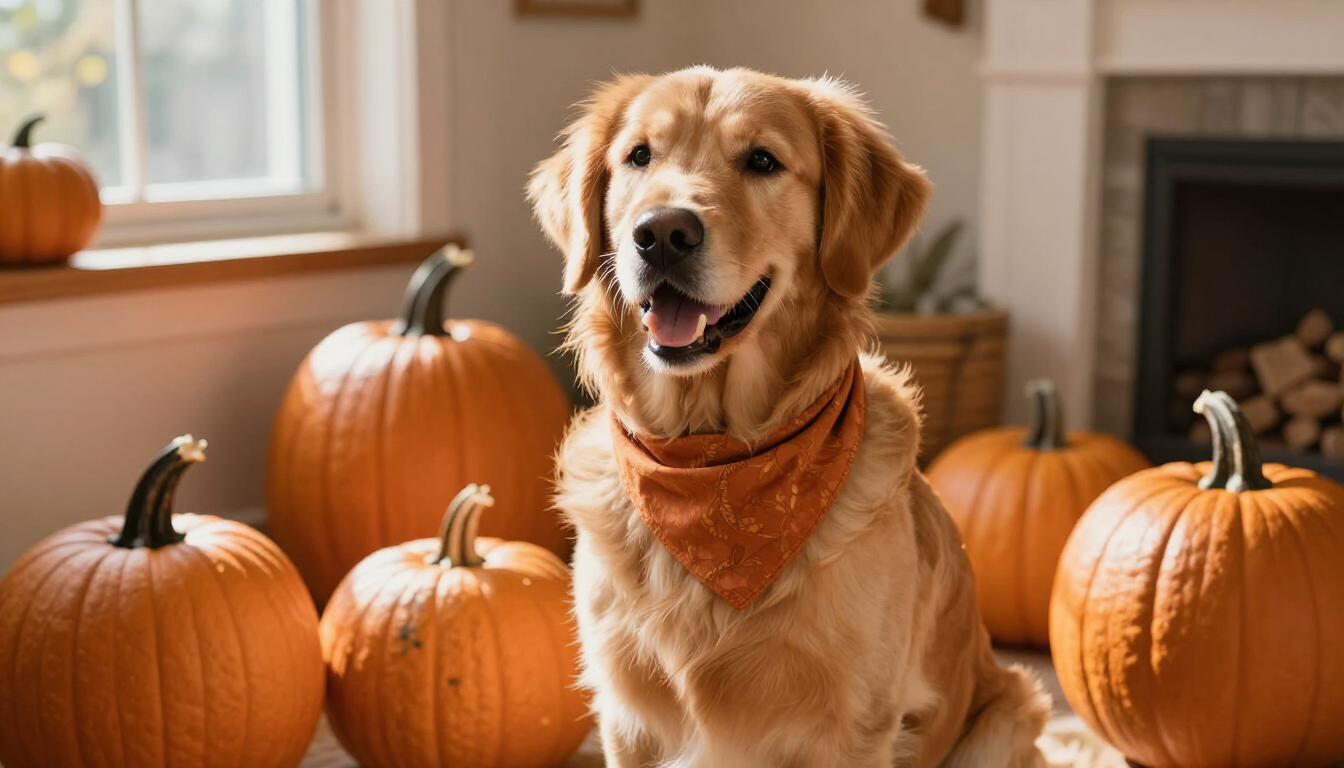
Halloween safety tips for dogs: calm dog beside pumpkins
October 19, 2026
Use these Halloween safety tips for dogs to avoid toxic treats, choose comfortable costumes, prevent door escapes, and calm anxious rescue dogs.

International rescue dog adoption: dog settling into a loving new home
October 12, 2026
Learn what to expect when adopting an international rescue dog through China Rescue Dogs, from transport and vaccinations to the 3-3-3 rule and building trust.
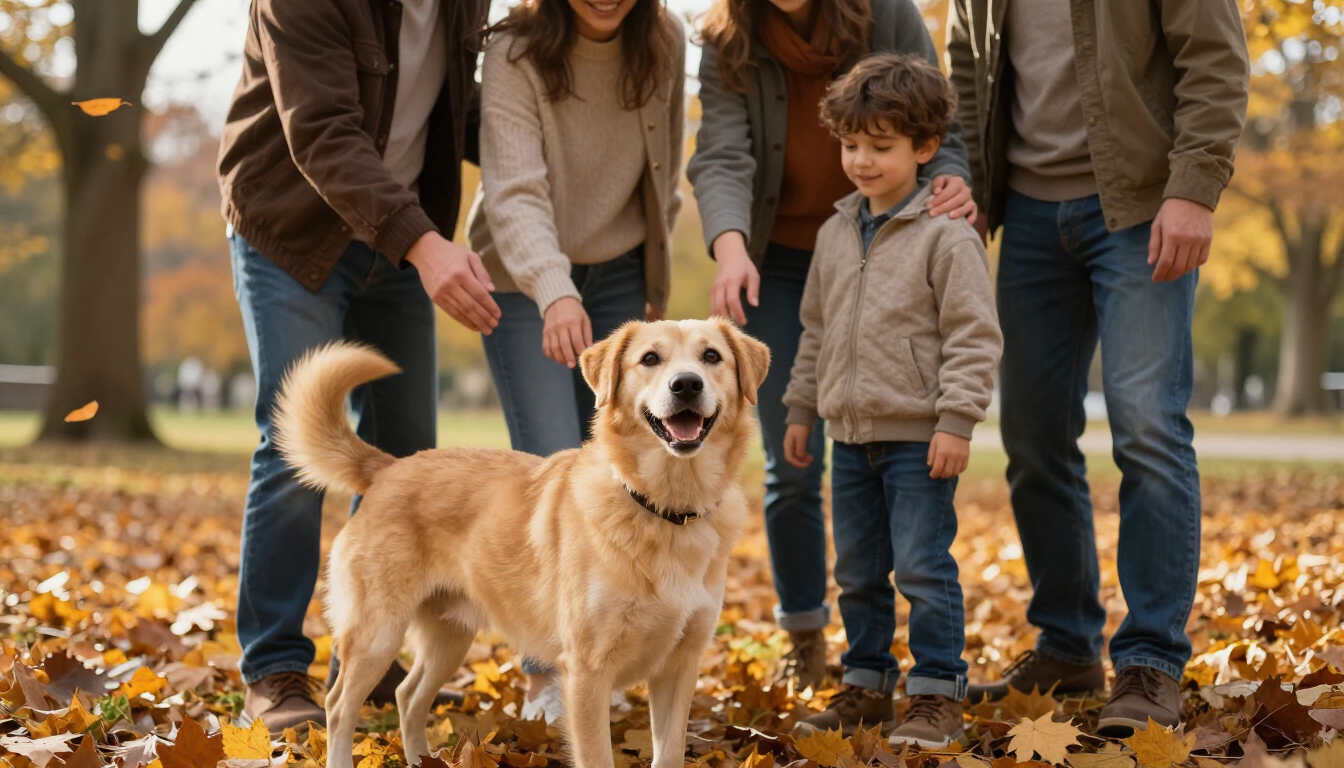
Adopt a shelter dog with your family this fall
October 5, 2026
Ready to adopt a shelter dog? Debunk rescue myths, spot adoption readiness, follow five practical steps, and meet your next family companion with Rue's Kennels.
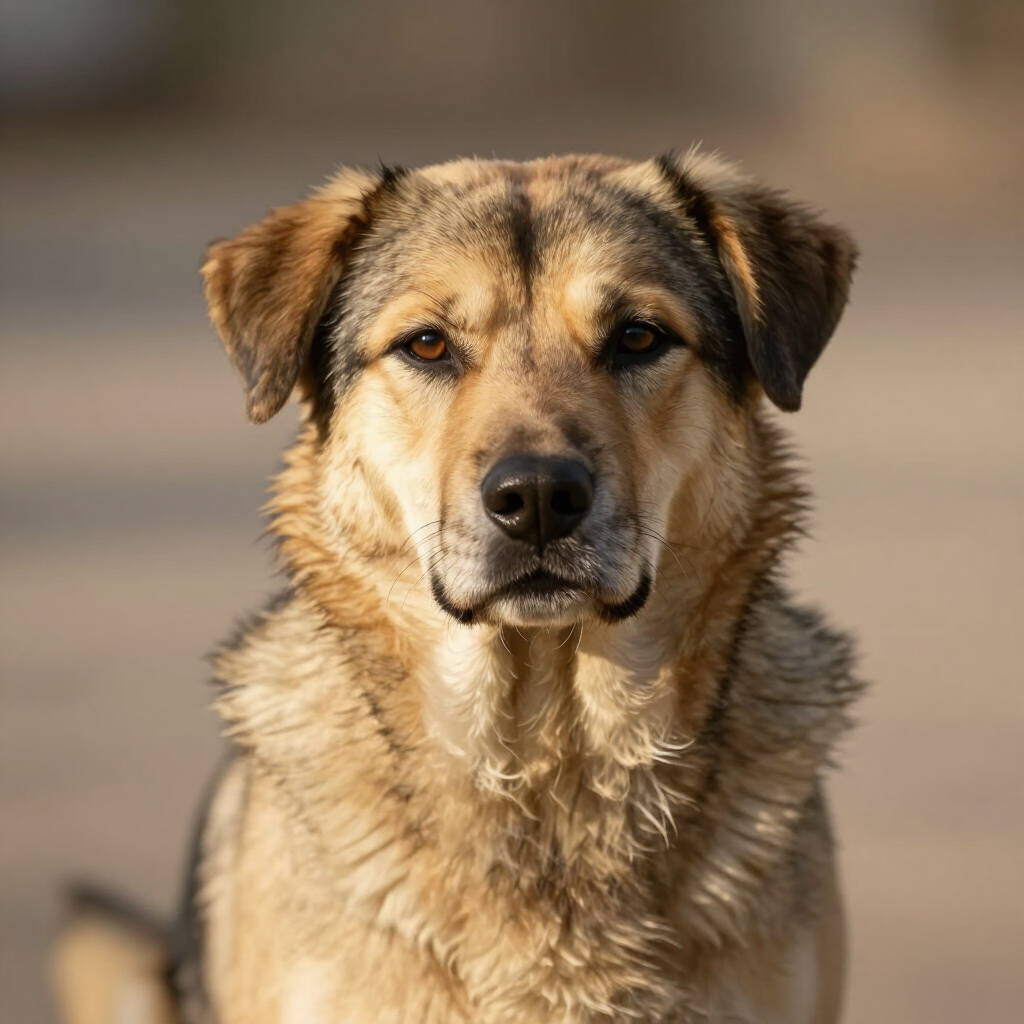
International rescue dog relaxing at home after adoption
September 28, 2026
Learn what to expect in the first 30 days when bringing an international rescue dog home, including decompression, safety, and bonding tips.
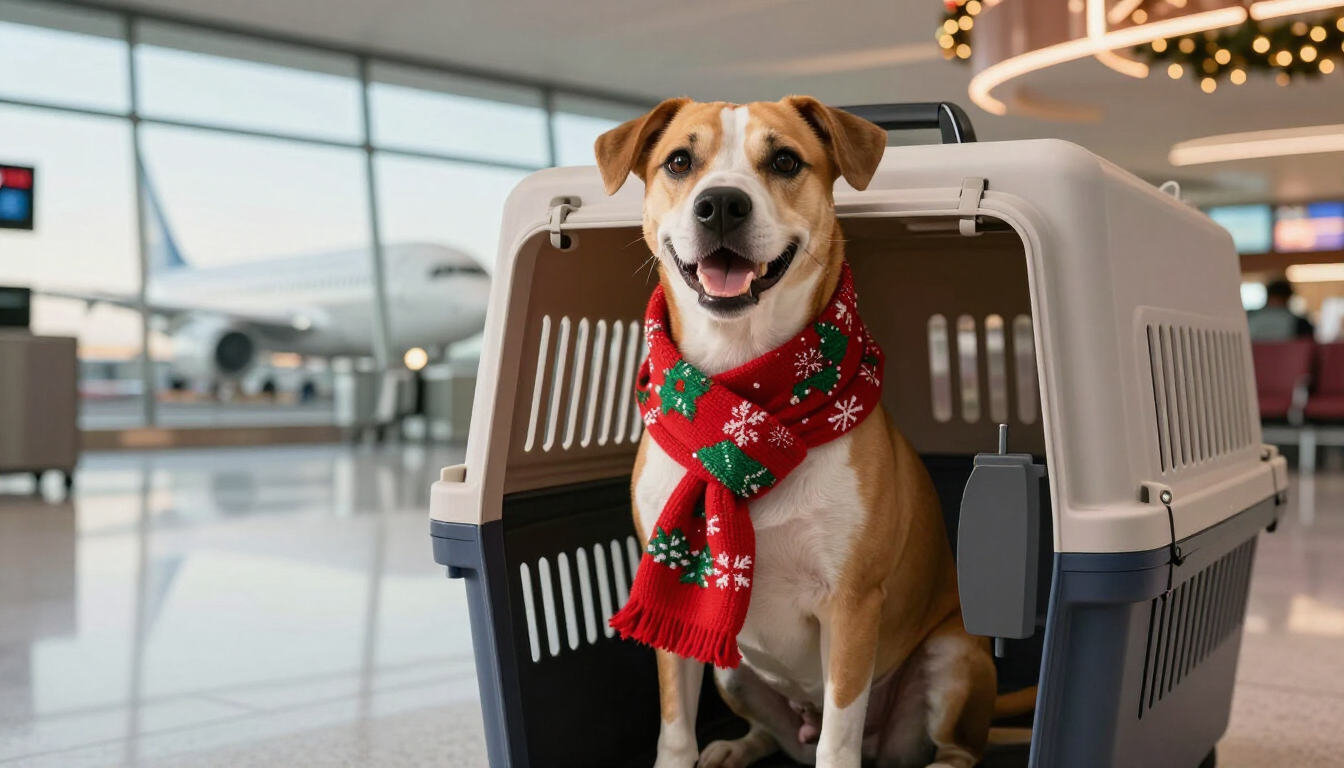
A dog waiting at the airport for a holiday flight to the United States.
September 21, 2026
Plan your dog's holiday travel to the U.S. with our 90-day countdown. Learn why September is the deadline for USDA, CDC, and airline bookings to ensure a winter arrival.
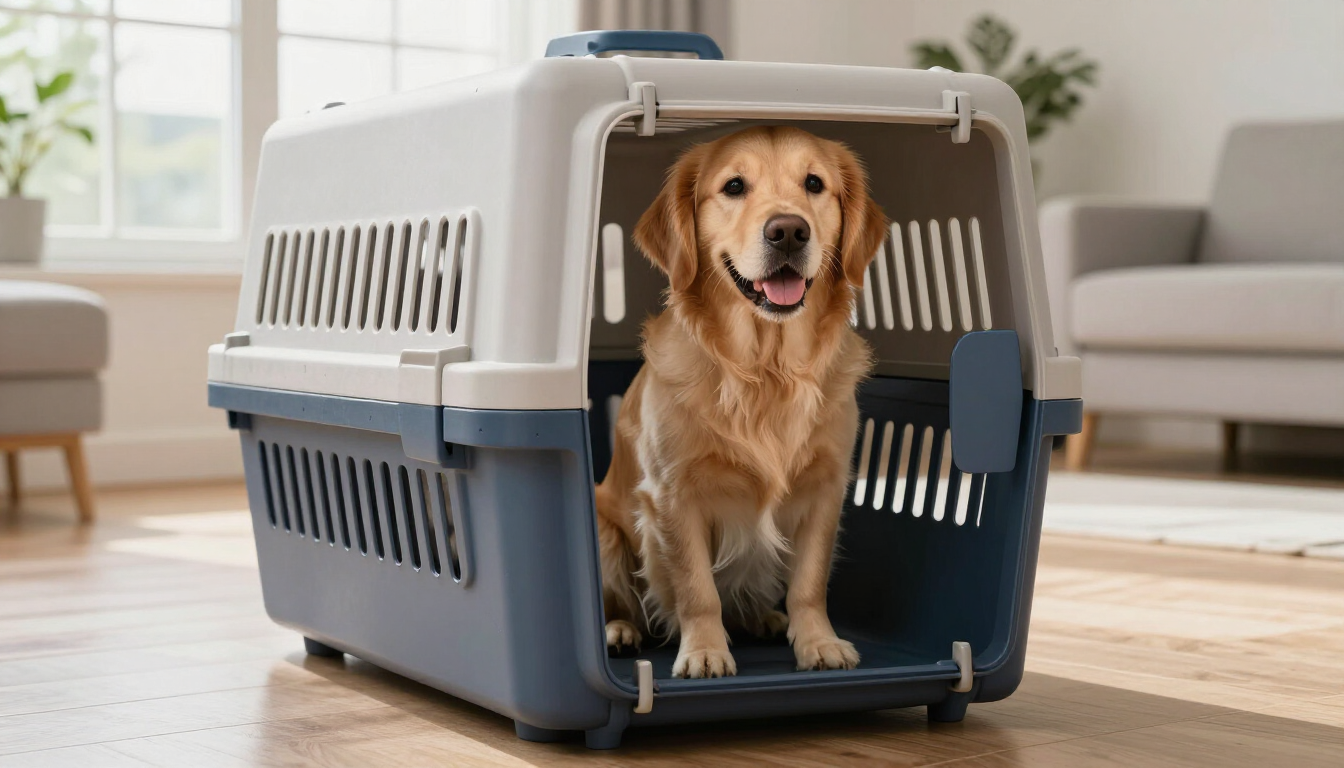
A dog sitting comfortably in an airline approved travel crate.
September 14, 2026
Learn how to choose and prepare an IATA-compliant travel crate for your dog. This guide covers measurements, airline rules, and a 4-week acclimation plan for safe flight.
A dog prepared for international travel during the autumn season.
September 7, 2026
Discover why fall is the safest window for international dog travel to or from Los Angeles. Learn about lifting heat embargoes, CDC requirements, and booking tips.
By VIV Builder • August 31, 2026
Prepare your dog for international travel through LAX with tips on crates, paperwork, airline rules, and import/export planning.
Show More