
5 Reasons Fall is the Best Time for International Dog Travel
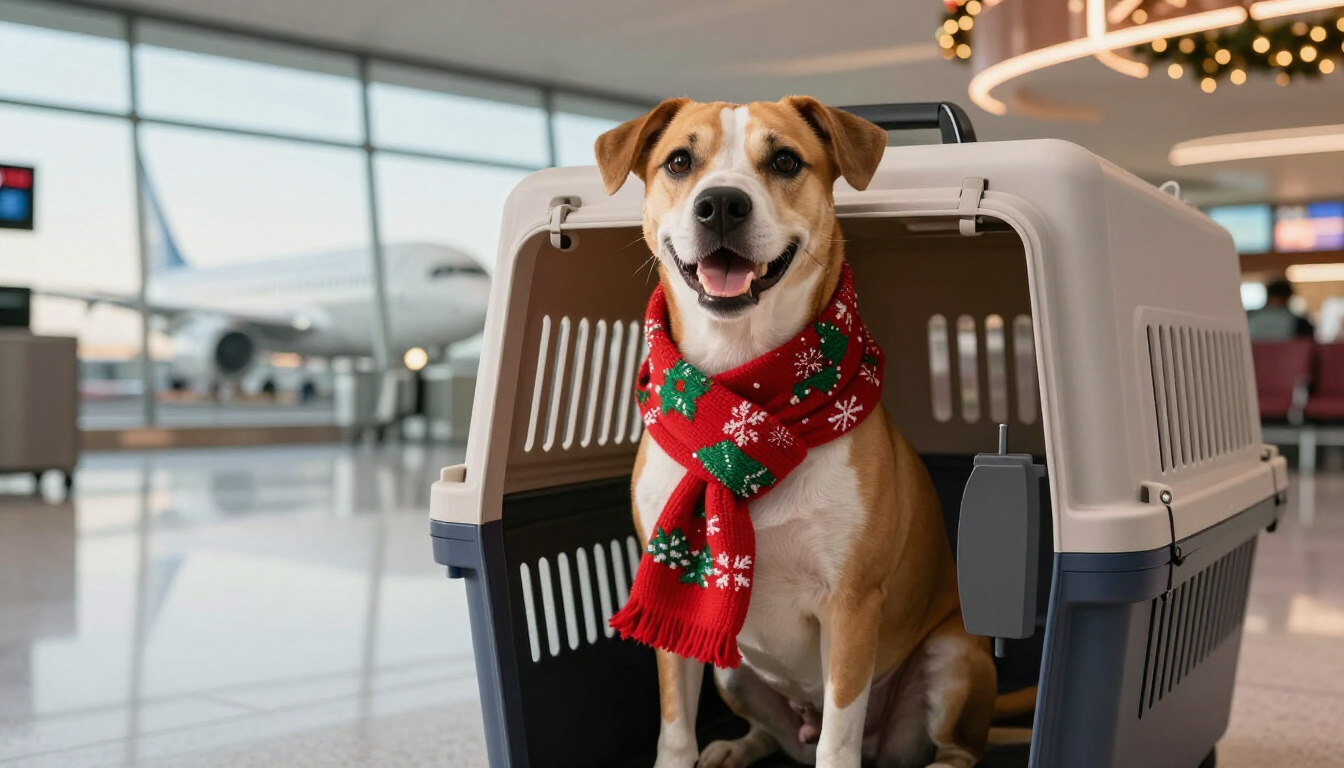
Fall is the premier window for international dog travel because extreme summer temperatures subside, causing airlines to lift restrictive heat embargoes. This cooler weather ensures safer tarmac transitions and cargo hold conditions, while September booking secures essential arrival slots at CDC-registered facilities near LAX before the holiday rush begins.
Why is fall the best time for international dog travel?
For many pet owners, the dream of moving abroad or returning home to Los Angeles often hits a significant roadblock during the summer months. If you have been waiting out the sweltering July and August heat to move your furry family member, you are not alone. Fall represents a "Goldilocks" period for pet relocation—not too hot, not yet freezing, and perfectly positioned before the chaotic winter holiday travel season.
When we talk about international pet transport, safety is the number one priority. During the summer, most major airlines implement what are known as heat embargoes. These are policies that prevent pets from flying as cargo or even in the cabin if the temperature on the runway at any point of the journey exceeds 85°F (29°C). In a city like Los Angeles, or at major international hubs in Europe, Asia, and the Middle East, hitting that temperature is almost a daily occurrence in July. By waiting until the leaves begin to turn, you bypass these stressful cancellations and ensure that your dog isn't sitting on a hot tarmac waiting to be loaded.
Furthermore, the atmospheric conditions in the fall are far more predictable. While spring can bring unexpected storms and humidity, autumn generally offers crisp, stable air. This stability is crucial for the Import Process , as it reduces the likelihood of flight diversions or delays that can complicate the strict timing required for health certifications and customs clearance. For families and military members transitioning between assignments, this predictability is worth its weight in gold.
How airline heat embargoes impact your pet's safety
Understanding the mechanics of a heat embargo is essential for any pet parent planning a long-haul flight. Airlines aren't just being difficult when they refuse to fly a dog in 90-degree weather; they are protecting the animal's life. The cargo hold of a modern aircraft is pressurized and temperature-controlled once the plane is in flight, but the danger zone is the time spent on the ground. During loading, unloading, and taxiing, the plane relies on external air or specialized ground units. If the tarmac temperature is soaring, the environment inside a travel crate can become dangerously hot within minutes.
Fall mitigates this risk entirely. As the average daily highs drop, the window for safe travel expands from a few hours in the middle of the night to the entire day. This gives you more options for flight routes and timing. Instead of being forced to take a 2:00 AM flight to avoid the sun, you can choose a schedule that aligns better with your own travel and the operating hours of customs officials.
For those moving through major hubs, cooler temperatures mean:
- Reduced stress on the dog’s cardiovascular system during loading.
- Lower risk of dehydration during unexpected tarmac delays.
- Greater flexibility in choosing airline carriers that have strict safety protocols.
- Easier transitions during layovers in temperate climate zones.
- A smoother experience for pets who may already be anxious about travel.
Which dogs benefit most from cooler autumn temperatures?
While all dogs are safer flying in temperate weather, certain groups are particularly vulnerable to the heat. If you own a snub-nosed (brachycephalic) breed or a senior dog, the fall season isn't just a suggestion—it's often a requirement. Breeds like Bulldogs, Pugs, Boxers, and even some Mastiffs have unique respiratory structures that make it difficult for them to cool down efficiently. In high heat, these dogs can quickly fall into respiratory distress.
Many airlines have permanent bans on these breeds during the summer, but some will allow them to fly in the fall and winter provided the temperatures are within a very narrow, cool range. Even if your dog isn't a snub-nosed breed, senior dogs often struggle with thermoregulation and the stress of travel. The mild California autumn provides a much gentler introduction to their new home after a long flight into LAX.
When planning an Export Process , consider the climate of your destination as well. Moving from Los Angeles to a city like London or Tokyo in October means your dog will arrive in a climate that is comfortable and easy to acclimate to. Avoid the shock of moving from a cool air-conditioned house into a humid, tropical summer environment. Fall provides that necessary buffer that helps your pet transition without the physical toll of extreme heat exhaustion.
Why is September the critical month for booking LAX arrivals?
If you are planning to arrive in Los Angeles this fall, you need to act now. Los Angeles International Airport (LAX) is one of the busiest pet ports in the world. Since the CDC (Centers for Disease Control and Prevention) updated its dog importation regulations in August 2024, the logistical requirements have become significantly more complex. Specifically, dogs arriving from high-risk rabies countries must enter through a port with a CDC-registered animal care facility.
Rue's Kennels serves as a vital resource in this network, ensuring that your pet has a safe, comfortable, and compliant place to stay during the clearance process. However, these facilities have limited capacity. As families wait for the summer heat to break, a massive influx of bookings occurs for September, October, and November. If you wait until October to book a November arrival, you may find that there are no "slots" available, forcing you to delay your move even further into the winter.
Booking in September allows you to:
- Secure a spot in a CDC-registered facility near LAX.
- Coordinate your own travel dates with your pet's arrival.
- Lock in current shipping rates before holiday surcharges apply.
- Ensure your preferred pet shipper has availability for ground transport.
- Allow for a buffer in case your paperwork needs a second look by the USDA.
The essential fall paperwork timeline
Navigating the bureaucracy of international pet travel is often the most daunting part of the journey. To ensure a smooth fall move, you must treat the paperwork as a project with hard deadlines. The timeline usually begins at least six months out, but the final 30 days are the most intense. If you haven't started yet, don't panic, but you must move quickly to meet the requirements for a fall departure.
The process typically follows this sequence:
- Microchipping : Your dog must have an ISO-compliant microchip implanted before their most recent rabies vaccination.
- Rabies Certification : The timing of the rabies shot is critical; for many countries, it must be at least 30 days old but less than a year old.
- CDC Dog Import Form : This is a new, mandatory online form for all dogs entering the U.S., which generates a receipt that must accompany the dog.
- Health Certificate : A licensed veterinarian must issue a clinical health certificate, usually within 10 days of travel.
- USDA Endorsement : This is the final step where the government officially stamps your dog's paperwork, often requiring an overnight courier service.
Failure to follow this exact order can result in your dog being denied boarding or, worse, being quarantined upon arrival. This is why we recommend checking our Info page regularly for the latest updates on international regulations. The rules can change with very little notice, and having a professional team like Rue's Kennels in your corner can prevent a logistical nightmare. For military members, ensure you have your PCS orders ready, as these can sometimes help expedite certain parts of the process or provide access to specific military pet flights.
How to manage the USDA endorsement process
The USDA endorsement is often the "bottleneck" of international dog travel. Because the health certificate is only valid for a short window (usually 10 days), you have a very narrow period to get the vet to sign the papers, send them to the USDA, have them endorsed, and get them back before the flight. In the fall, when many people are moving, the USDA offices can become backlogged.
To manage this, ensure your vet is familiar with the VEHCS (Veterinary Export Health Certification System). This digital portal allows for faster processing. If your vet still uses paper forms, you will need to factor in the time for overnight shipping both ways. We always suggest having a backup plan. If the endorsement doesn't arrive in time, do you have a place for your dog to stay? Our Calendar can help you visualize these deadlines so you aren't left scrambling at the last minute. Being proactive in September means you can breathe easier when your flight date in October or November approaches.
Your essential fall booking checklist
As you prepare for your dog’s international journey, use this checklist to stay organized. Moving is stressful enough; don't let a missed detail ground your best friend. Follow these steps to ensure you’re ready for the fall window.
The Pre-Flight Checklist:
- Confirm your dog's microchip is readable and matches all paperwork.
- Verify the rabies vaccination is current and was administered after the microchip.
- Book your CDC-registered facility slot at LAX if coming from a high-risk country.
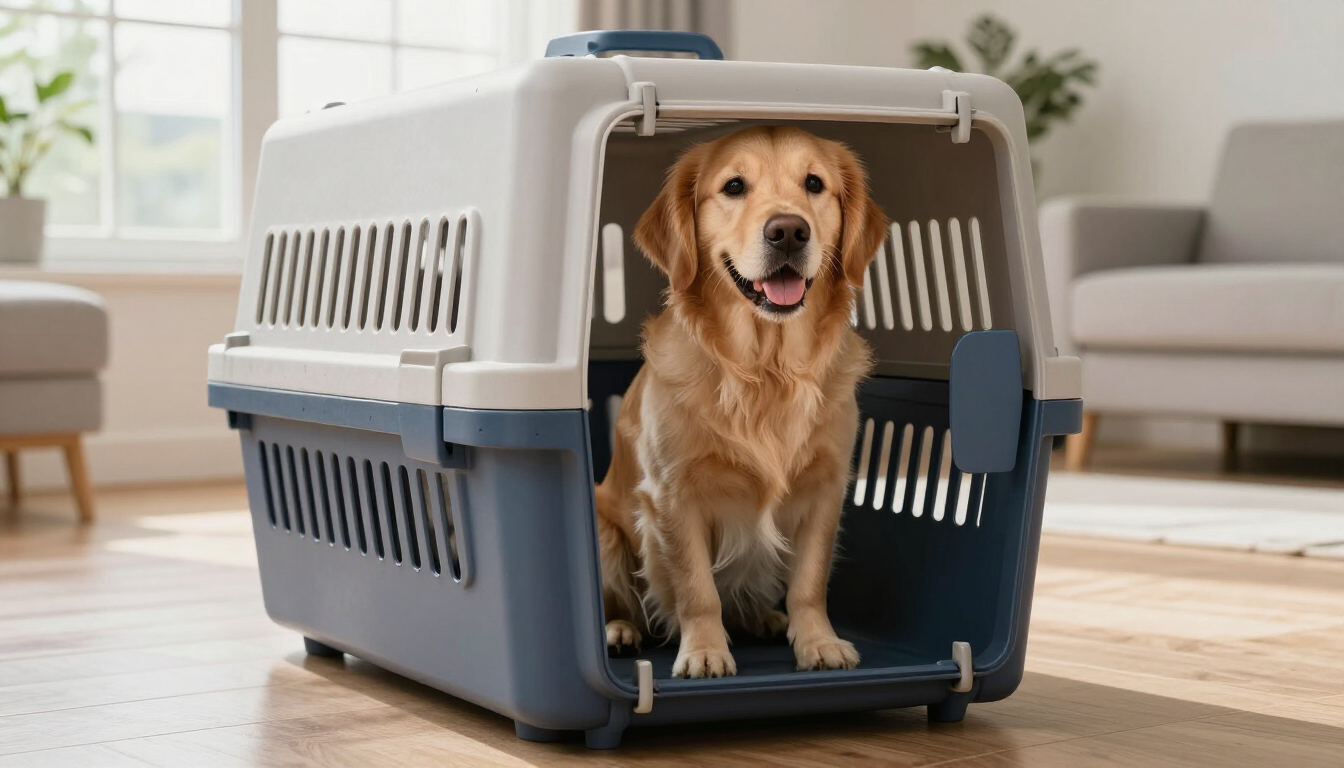
- Purchase an IATA-compliant travel crate that allows your dog to stand and turn around.
- Schedule your USDA-accredited vet appointment for exactly 10 days before departure.
In conclusion, fall is undeniably the most strategic time to move a dog internationally, especially through a major hub like Los Angeles. By taking advantage of the lifting heat embargoes, you prioritize your dog's safety and physical well-being. By booking in September, you avoid the holiday rush and secure the necessary facility space for a legal and smooth entry into the United States.
If you're feeling overwhelmed by the process, please reach out to us on our Contact page. Our team at Rue's Kennels is dedicated to making this transition as seamless as possible for both you and your pet. Whether you need help understanding the Import Process or you simply want to know more about Rue's Family , we are here to support your journey every step of the way. Safe travels to you and your four-legged companions this autumn!