How to Prepare Your Dog for a Long International Flight
A long international flight can be stressful for any dog, but good preparation can make a major difference. Whether your dog is flying into LAX, leaving the United States through LAX, or traveling as part of a relocation, rescue transfer, or family move, the goal is to keep the trip as safe, organized, and comfortable as possible.
The preparation should begin well before the day of travel. International pet travel involves more than buying an airline-approved crate. Owners need to confirm destination rules, CDC requirements when entering the United States, airline policies, veterinary documents, microchip information, vaccination records, and arrival or departure logistics. The earlier those details are reviewed, the easier it is to avoid last-minute problems.
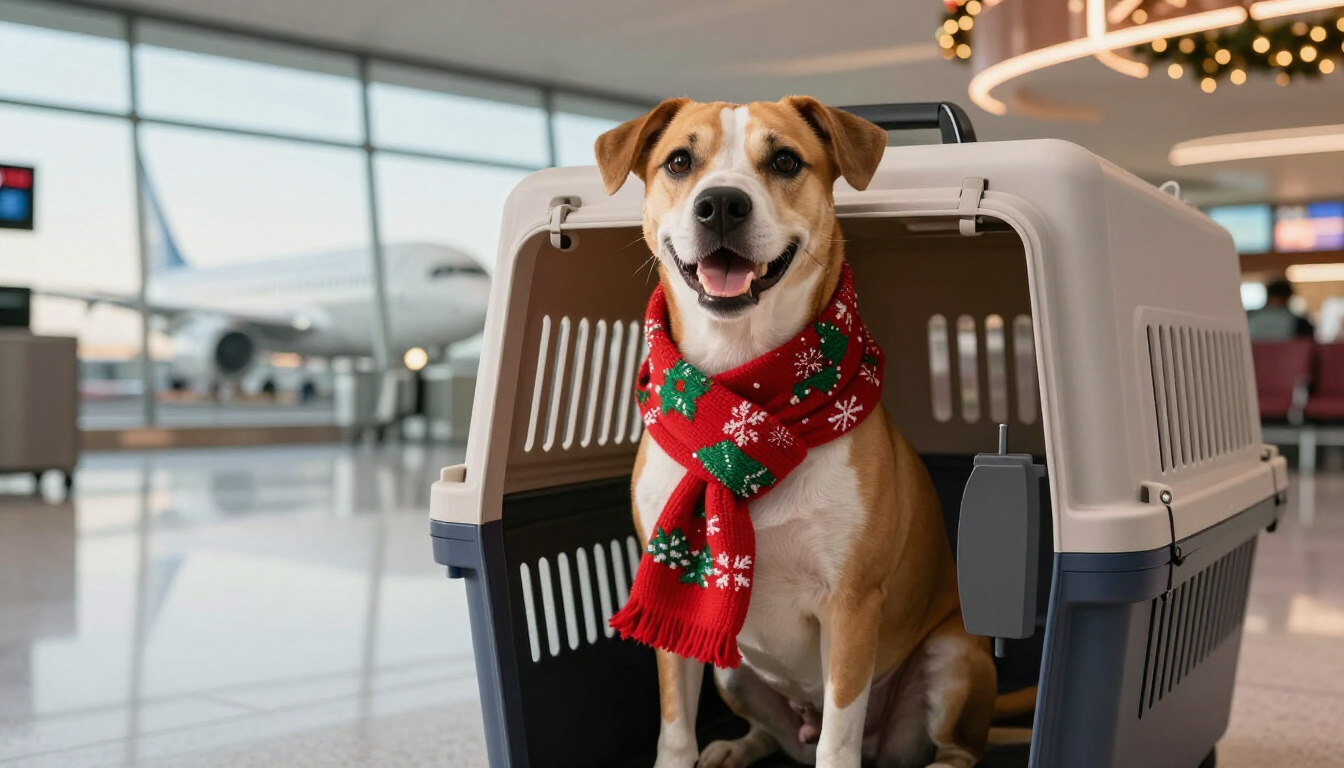
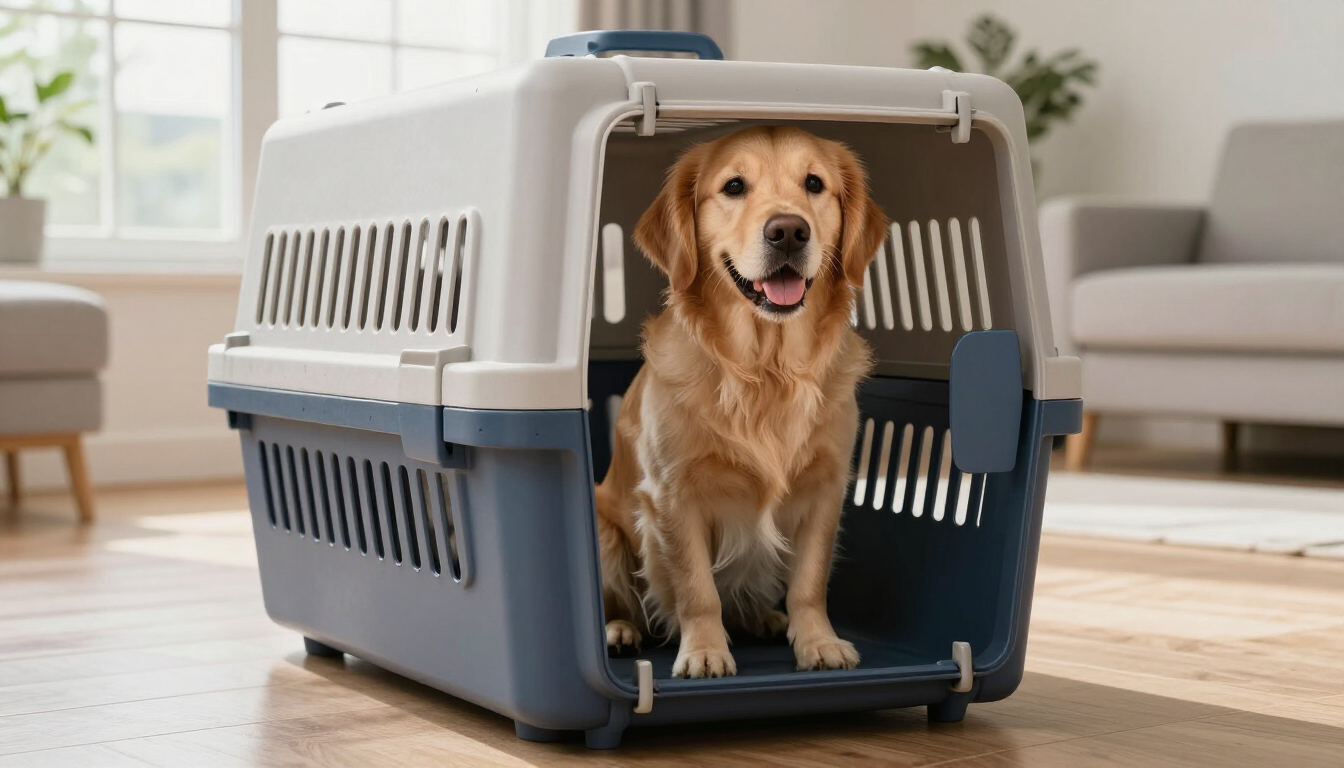
One of the most important steps is crate preparation. Your dog should be comfortable spending time in the travel crate before the flight. If the first time the dog spends several hours in the crate is on travel day, the experience can be much more stressful. Start crate training early by letting the dog explore the crate at home, rest inside it, and associate it with calm, positive experiences.
The crate also needs to be the correct size. Your dog should be able to stand, turn around, and lie down naturally. A crate that is too small can be uncomfortable and may not meet airline requirements. A crate that is poorly secured or missing required labels can create problems at check-in or cargo drop-off. Owners should confirm the airline’s exact crate requirements before buying or preparing the crate.
Veterinary preparation is another major part of international dog travel. Depending on the trip, your dog may need a health certificate, rabies vaccination record, microchip scan, parasite treatment, blood test, or USDA endorsement. These requirements can vary based on whether the dog is entering or leaving the United States and which country is involved. Timing matters, because some documents must be completed within a specific window before travel.
Owners should also avoid making major changes to the dog’s routine right before the flight. Sudden changes in food, new treats, unfamiliar medications, or unusual feeding schedules can upset the dog’s stomach. Unless your veterinarian gives specific instructions, it is usually better to keep the dog’s routine as normal and calm as possible before travel.
Exercise can help, but it should be reasonable. A calm walk before departure can help the dog settle, but the goal is not to exhaust or overstimulate them. Travel days already involve unusual sounds, smells, handling, and waiting periods. Keeping the dog calm is more helpful than creating extra excitement right before check-in.
Owners should also prepare the people side of the trip. Know who is responsible for each part of the process. Confirm the airline drop-off time, cargo location, required paperwork, arrival contact, customs process, pickup authorization, and animal care facility involvement if needed. International pet travel often involves multiple parties, and confusion between them can lead to delays.
If your dog is arriving at LAX, the arrival process may involve cargo handling, customs clearance, CDC-related review, inspection coordination, or release through an approved animal care facility. If your dog is departing from LAX, the export process may involve destination-country paperwork, airline cargo coordination, USDA endorsement, and timing requirements. In both cases, planning ahead matters.
Rue’s Kennels at LAX helps pet owners, rescues, breeders, and relocation professionals with import and export support through Los Angeles International Airport. Their team assists with paperwork review, airline coordination, customs clearance, USDA inspection coordination, and safe release logistics, helping owners manage the details that happen before and after the flight.
A long international flight is a big event for a dog, but preparation can reduce stress and make the process more manageable. Start early, train with the crate, review the paperwork carefully, confirm airline requirements, and coordinate the arrival or departure process before travel day. When the travel plan is organized, your dog has a better chance of a safer and smoother trip.