
Bring Your Dog to the US for the Holidays (Guide)
To get your dog to the U.S. for the winter holidays, you must start the process by September. This 90-day window accounts for CDC rabies titer waiting periods, USDA endorsement appointments, and securing limited airline cargo space, which often sells out months in advance for the peak holiday season.
Why is September the critical decision point for holiday pet travel?
If you are dreaming of a cozy December by the fireplace with your dog in the United States, your journey actually begins in the heat of September. For many international families and rescue coordinators, the holiday season represents a deadline that feels far away, but in the world of international pet relocation, three months is the bare minimum. The primary reason September is the "point of no return" involves a combination of regulatory lead times and market scarcity.
First, the Centers for Disease Control and Prevention (CDC) recently updated its import regulations. Depending on the country your dog is departing from, you may need a rabies titer test. These tests must be processed by approved laboratories, and the wait time for results can range from three to six weeks. Furthermore, once a successful titer result is obtained, some countries require a mandatory waiting period before the dog can even board a plane. If you miss the blood draw window in September, you are effectively pushing your dog's arrival into late January or February.
Second, the logistics of airline cargo are particularly strained during the winter months. Airlines have strict limits on the number of live animals they can carry per flight. As families travel for Thanksgiving and Christmas, passenger luggage increases, leaving less room in the cargo hold. By waiting until October to book a December flight, you are often met with "fully booked" statuses or exorbitant seasonal surcharges. At Rue's Kennels, we see this every year: the families who commit in September are the ones opening presents with their pups in December.
When should you start the 90-day holiday countdown?
Setting a 90-day timeline is the most effective way to manage the stress of international relocation. This period is dedicated to the "big picture" items that cannot be rushed. During the 90-day mark (typically late August or early September), your focus should be on verification and initial medical requirements.
The 90-Day Checklist:
- Verify Rabies Vaccination Status: Ensure the dog’s rabies vaccine is current and was administered after the microchip was implanted. The CDC is very strict about the order of these events.
- Initiate Titer Testing: If coming from a high-risk country, the blood draw for the rabies neutralizing antibody titer (RNATT) should happen now.
- Review the Import Process Requirements: Check if your dog’s breed or age meets the current U.S. standards, as the CDC recently raised the minimum age for import to six months.
- Select a Port of Entry: Not all airports are created equal. Choosing a port like LAX allows you to work with specialized facilities like Rue's Kennels for a smoother transition.
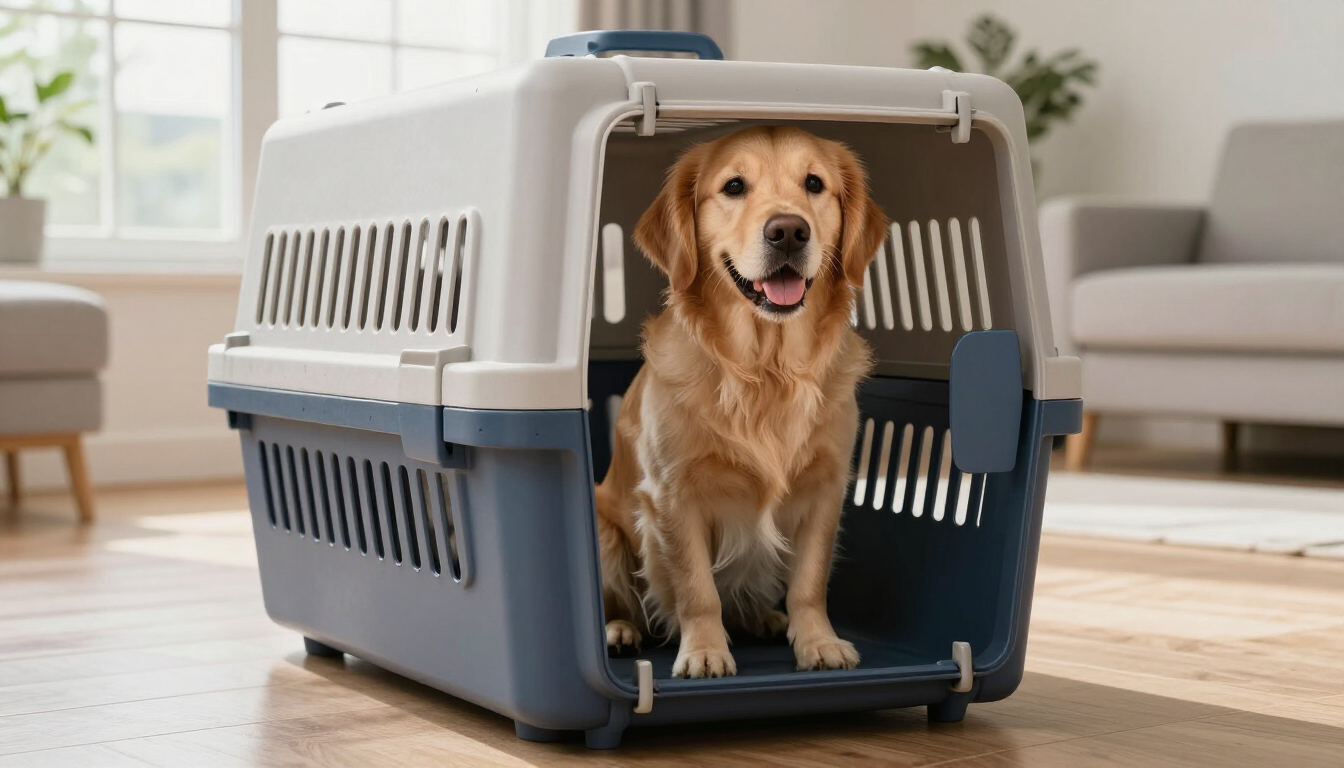
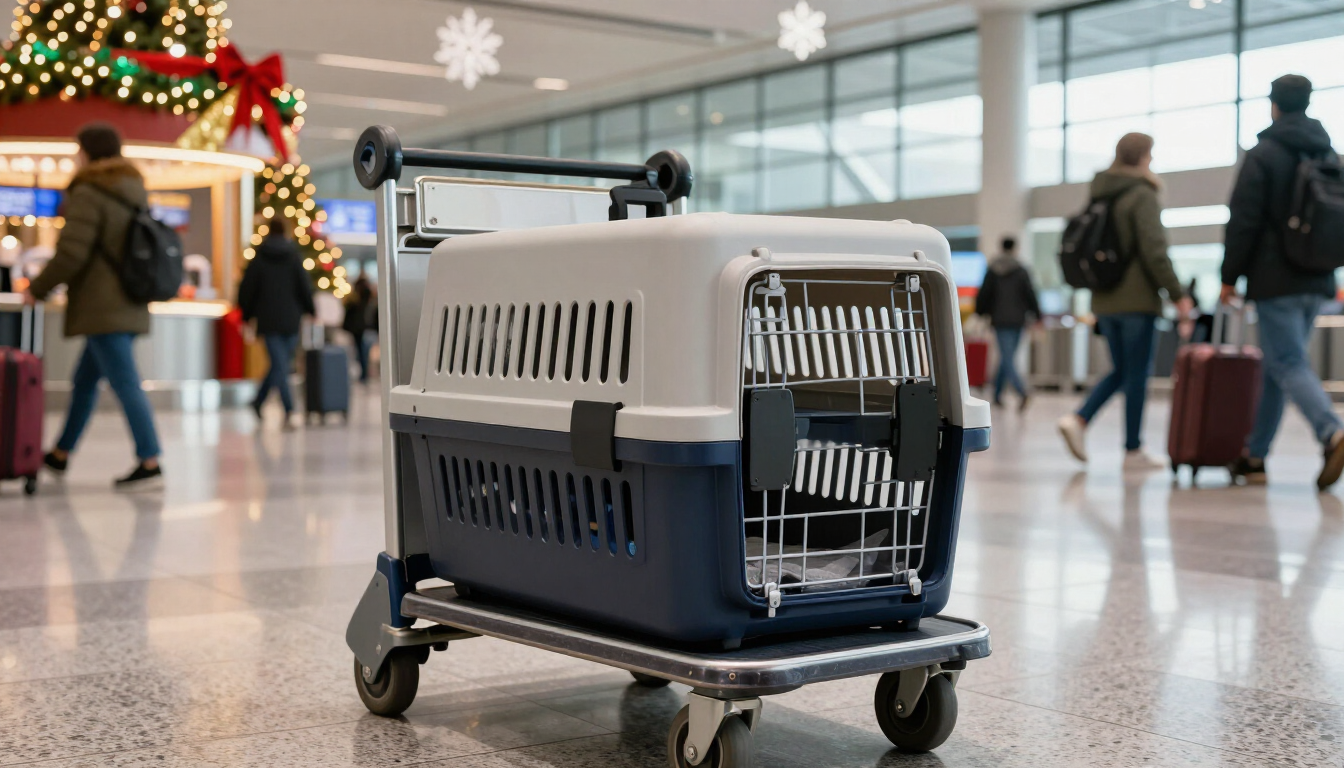
- Inventory Your Travel Crate: Ensure you have an IATA-compliant crate that allows your dog to stand, turn around, and lie down comfortably.
Starting early also gives you a buffer for the unexpected. If a titer test comes back with insufficient antibodies, you still have a small window to re-vaccinate and re-test without completely missing the holiday window. This stage is also the best time to reach out to our team at Rue's Family to discuss how our facility can serve as the safety net for your dog's arrival.
Can you manage the 60-day logistical crunch?
As you move into the 60-day window (October), the focus shifts from medical testing to administrative paperwork and airline logistics. This is the month where most "DIY" pet shippers feel the most pressure. The documentation required for entry into the United States must be precise. A single typo on a rabies certificate or a missing signature on a health document can lead to a dog being turned back at the border or placed in long-term quarantine at the owner’s expense.
In October, you should finalize your flight arrangements. It is important to remember that pet travel is not as simple as buying a ticket. You must coordinate the "manifest cargo" booking if the dog is traveling solo, or ensure the "excess baggage" spot is confirmed if you are flying on the same aircraft. We recommend finalizing the flight path by mid-October to avoid the rush of year-end "freedom flights" organized by rescues, which often take up significant cargo space on popular routes from Asia and the Middle East.
The 60-Day Checklist:
- Confirm Airline Cargo Space: Secure a firm booking and obtain the Air Waybill (AWB) number if shipping via cargo.
- Apply for the CDC Dog Import Permit: If your dog requires a permit (mostly for dogs from high-risk countries), apply now. Processing times can fluctuate wildly as the year ends.
- Schedule USDA or Local Authority Endorsement: Your dog’s international health certificate usually needs to be signed by a government official in the departing country within a specific timeframe.
- Coordinate with the Info Center: Keep all parties, including your receiving kennel, updated on the projected flight path and arrival time.
- Plan for Weather Embargoes: Many airlines will not fly dogs if the ground temperature is too hot or too cold. Have a plan B for a different flight day if a winter storm hits.
What happens during the final 30 days before arrival?
November is the month of execution. This is when the final veterinary exams take place. Most international health certificates are only valid for 10 to 30 days depending on the airline and the country of origin. This means you are essentially racing against the clock. If you have done your legwork in September and October, this phase is simply about checking boxes and ensuring your dog is physically and mentally ready for the long-haul flight.
At this stage, you should also be in constant communication with your transition facility. For those arriving at Los Angeles International Airport, Rue's Kennels serves as a critical link. We handle the communication between the airline cargo office, U.S. Customs and Border Protection (CBP), and the CDC. Knowing that a state-of-the-art facility is waiting to receive your dog for their mandatory inspection and release provides immense peace of mind during a month that is already busy with holiday preparations.
The 30-Day Checklist:
- Final Veterinary Health Exam: Obtain the official international health certificate required for travel.
- Internal Parasite Treatment: Ensure your dog is treated for internal and external parasites, as this is often a requirement for entry and kennel stays.
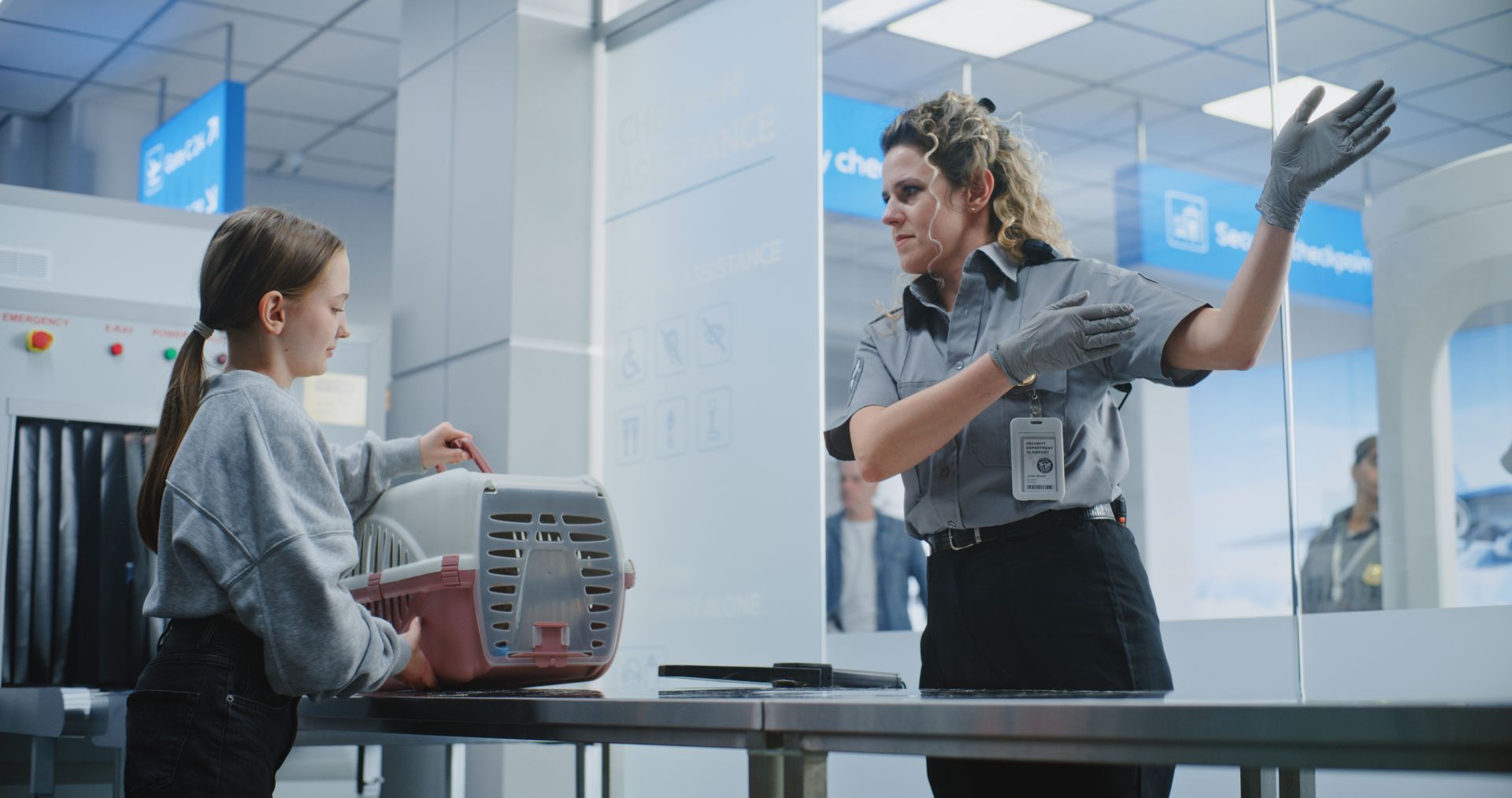
- Verify All Labels on the Crate: Make sure "Live Animal" stickers, your contact information, and the dog’s feeding instructions are clearly visible and securely attached.
- Pre-pay Import Fees: If possible, settle any customs or handling fees in advance to prevent delays upon arrival.
- Prepare the Home: Ensure you have the dog's usual food and a quiet space ready for their arrival after their stay at Rue's.
How does a CDC-registered facility at LAX handle customs and release?
Navigating the arrival process at a massive hub like LAX can be daunting. When a dog arrives as cargo, they don't simply walk out to the curb. They are transported to a secure warehouse where they must clear Customs. For dogs originating from countries that require a CDC inspection, the process is even more specialized. This is where a CDC-registered facility like Rue's Kennels becomes invaluable. We act as the designated agent to transport your dog from the high-traffic airline warehouse to our calm, impeccable facility for the required post-arrival protocols.
Once at Rue's, your dog is checked by staff who understand the stress of long-distance travel. We ensure they have fresh water, a clean space to stretch, and a thorough inspection to meet CDC and USDA requirements. Our facility is designed to exude warmth, which is a stark contrast to the sterile, loud environments of an airport warehouse. We handle the paperwork, communicate with the government inspectors, and notify you the moment your dog is cleared for release. This seamless movement ensures that your dog's first experience in the United States is one of hospitality rather than bureaucracy.
Common Delays to Avoid:
- Incomplete Paperwork: Missing signatures are the #1 cause of dogs being held at LAX.
- Flight Delays: Winter weather in Europe or Asia often causes missed connections for pets.
- Incorrect Microchip Reading: If the chip cannot be read by standard scanners, the dog cannot be verified.
- Cargo Office Hours: Many airline cargo offices have limited hours during holiday weeks; we coordinate around this.
- Customs Backlogs: High volumes of holiday shipments can slow down the clearance of live animals.
If you have questions about these specific logistics, our Export Process and Import teams are available to help you map out the specific requirements for your dog's breed and origin. You can also visit our Contact page to get a customized quote for holiday boarding and arrival services.
Essential Holiday Dog Import Takeaways
Bringing your dog home for the holidays is a rewarding experience, but it requires a disciplined approach to timing. September is your launchpad; if you miss this month, the chances of a December arrival drop significantly due to titer wait times and airline capacity. By following a 90-60-30 day countdown, you can manage the complex web of USDA, CDC, and airline regulations without the last-minute panic that often accompanies international pet travel.
- Start in September: This is the non-negotiable deadline for titers and cargo bookings.
- Use Professional Facilities: LAX arrivals are significantly easier when coordinated through a CDC-registered kennel like Rue's.
- Document Everything: Double-check microchip numbers and rabies dates to avoid border rejections.
- Plan for Weather: Always have a contingency plan for winter flight cancellations.
Ready to start your dog's journey? Check our Calendar for availability or reach out to our team today to ensure your pup is home for the holidays!