IATA-Compliant Travel Crate: 5 Steps to Fly Your Dog
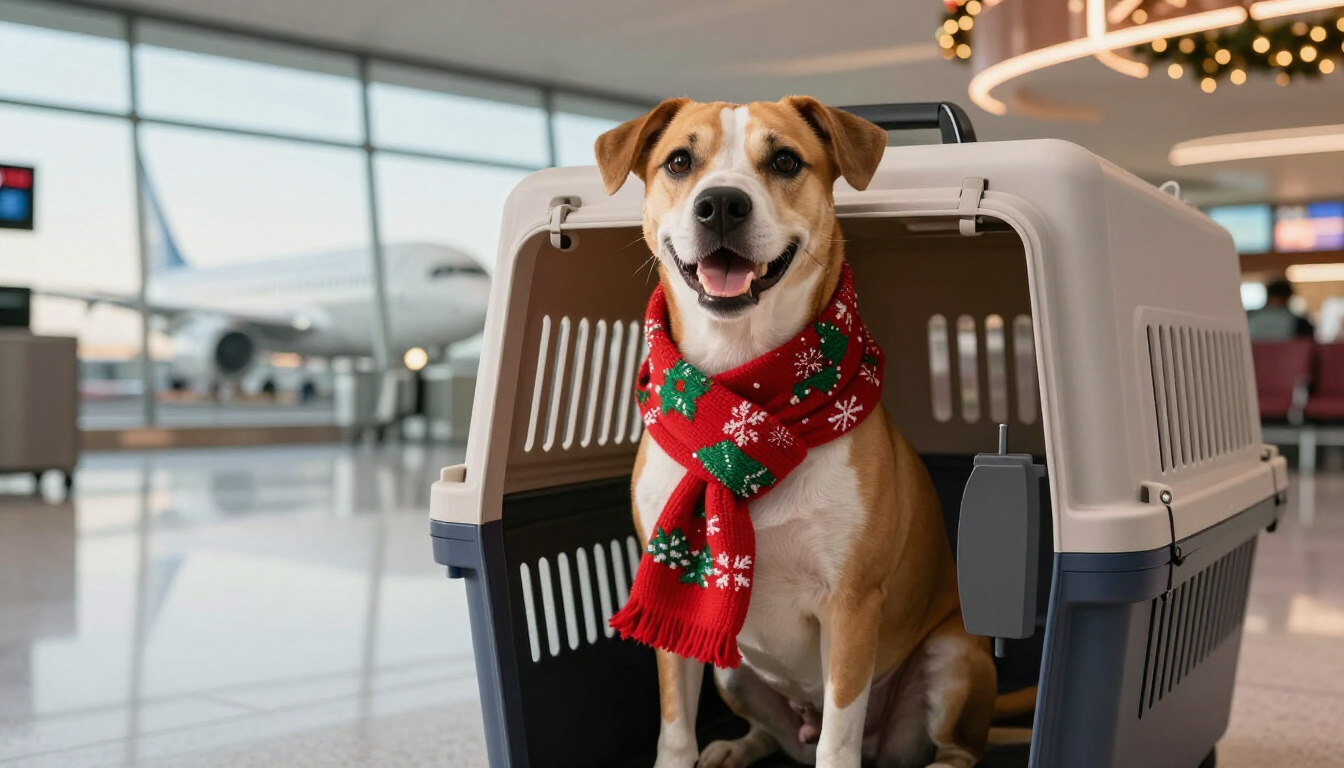
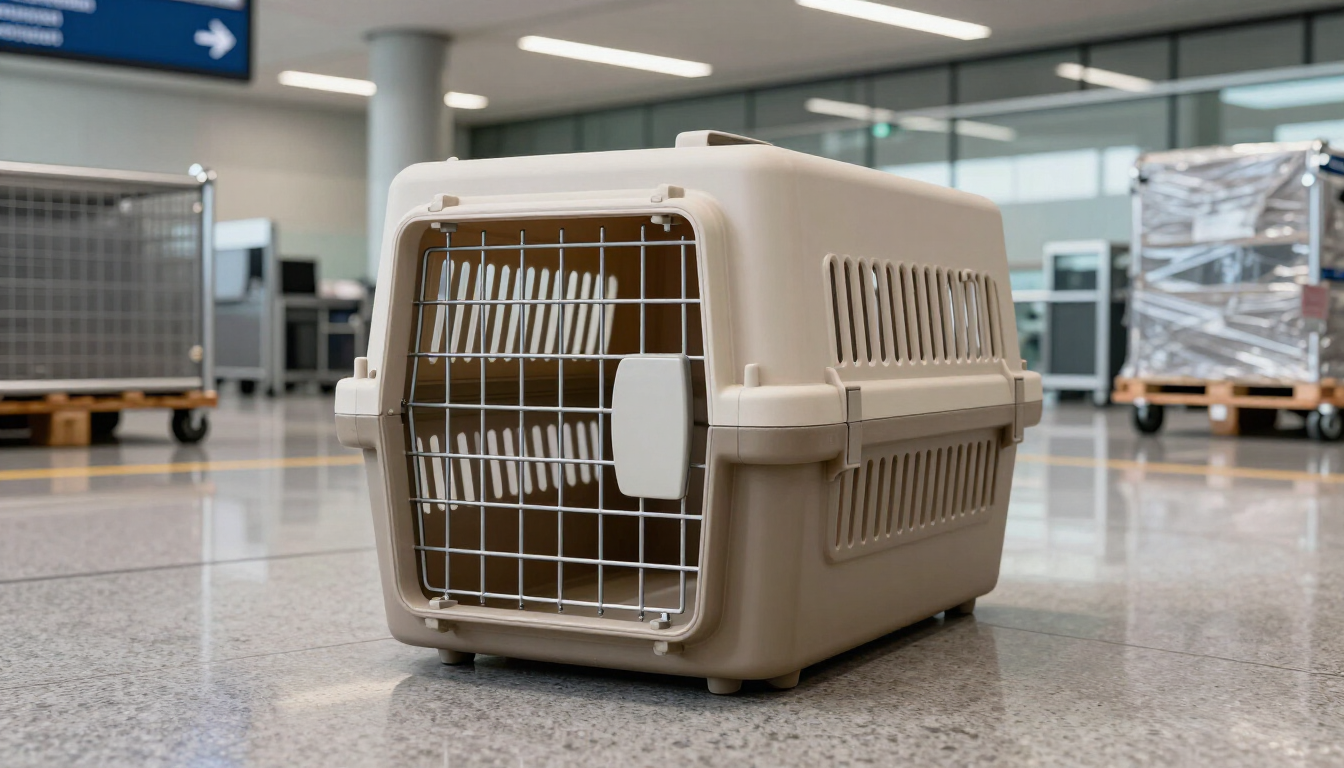
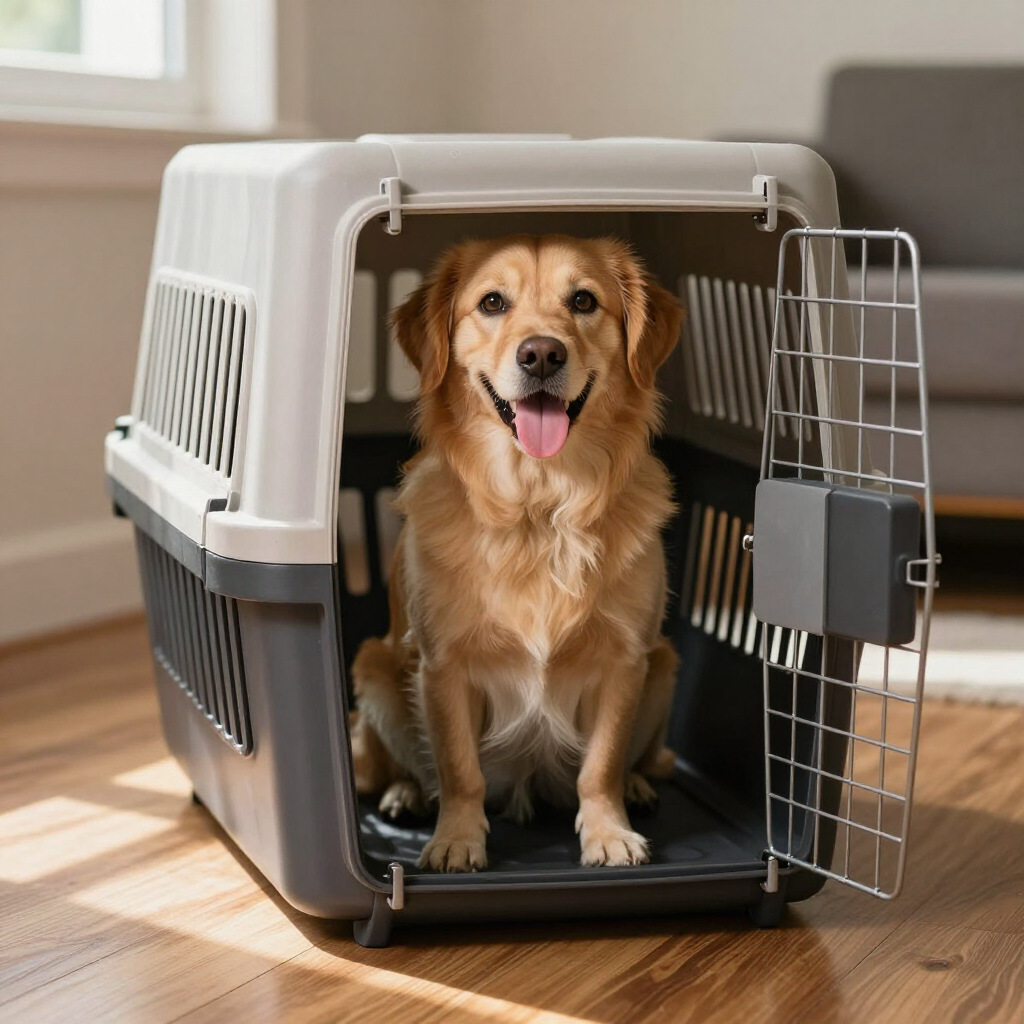
An IATA-compliant travel crate is a rigid, non-collapsible kennel that meets the International Air Transport Association's strict safety standards for animal transport. It requires metal hardware, four-sided ventilation, and specific dimensions allowing your dog to stand, turn, and lie down comfortably during their international or domestic flight.
Preparing for a long-haul journey with your four-legged companion is a monumental task that involves more than just booking a ticket. At Rue's Kennels, we understand that the safety of your pet begins with the container they occupy during the flight. The cargo hold of an airplane is a highly regulated environment, and the primary tool for keeping your dog safe is the crate. An IATA-compliant travel crate is not just a recommendation; it is a mandatory requirement for almost every airline worldwide. These crates are engineered to withstand the stresses of flight, including potential turbulence and the movement associated with ground handling.
When you begin your search, you will notice that the market is flooded with various types of carriers. However, for cargo travel, the standards are uncompromising. Soft-sided carriers or collapsible wire crates are strictly forbidden in the cargo hold. You need a hard-shelled kennel, typically made of high-impact plastic or fiberglass, that provides a protective cocoon for your pet. This structural integrity ensures that even if other cargo shifts, your dog remains protected. Beyond safety, these standards are designed to ensure the animal has enough oxygen and space to remain calm. To learn more about our commitment to these standards, you can visit our Rue's Family page to see how we handle every pet like our own.
How do I choose an IATA-compliant travel crate?
Selecting the right IATA-compliant travel crate starts with identifying the material and the build quality. The crate must be constructed of high-quality, sturdy plastic or wood that does not bend under pressure. The most common type is the heavy-duty plastic shell, which usually comes in two halves: a top and a bottom. These two halves must be secured together using a specific method that we will detail later. The floor must be solid and leak-proof, often covered with an absorbent material to keep your dog dry throughout the journey.
Another critical factor is the door. The door must be made of metal—never plastic—and it must have a secure locking mechanism that cannot be easily opened by the dog from the inside. Many owners wonder if a specific brand is required, but IATA focus more on the specifications rather than the label. As long as the crate meets the structural requirements, it should be acceptable. However, we always recommend crates that carry an official airline-approved label, since this small detail can prevent unnecessary delays at check-in.
What size crate does my dog need?
Sizing is one of the most common mistakes pet owners make when preparing for a flight. Your dog needs enough room to stand up fully without crouching, turn around in a complete circle, and lie down in a natural position with their legs extended. To measure correctly, start with your dog's length from the tip of the nose to the base of the tail, then add several inches for comfort. Next, measure the height from the top of the head or ears (whichever is taller) to the floor, and add a few inches to that as well. Width should be measured shoulder to shoulder with similar allowances. A crate that is too large can be just as problematic as one that is too small, since airlines may reject oversized kennels or your dog may be tossed around during turbulence without a snug fit.
How do I prepare the crate for the flight?
Once you have the correct crate, preparation is key to a smooth journey. The top and bottom halves of the crate must be bolted together, not just clipped, using nuts and bolts rather than plastic snaps alone. Zip ties are also required at each corner as an extra layer of security, and many airlines request them specifically. Food and water dishes should be attached to the inside of the door so airline staff can refill them without opening the crate fully. It is also standard practice to tape a small bag of dry food to the top of the crate along with feeding instructions, in case your dog needs to be fed during a layover. Absorbent bedding should line the floor, and your dog's name, your contact information, and destination details should be clearly labeled on the outside.
How Rue's Kennels can help
Navigating crate requirements alongside health certificates, airline paperwork, and country-specific import rules can feel overwhelming. That is exactly why Rue's Kennels at LAX exists. Our team helps pet owners throughout Los Angeles and the surrounding communities choose the right crate, complete proper preparation, and ensure every requirement is met before departure day arrives. Whether your dog is flying internationally or making a domestic move, we are here to make the process as stress-free as possible for both of you. Reach out to our team today to get started with your pet's travel plans.