
Use China Rescue Dogs to Choose Adoption

November 9, 2026

Share this article

China Rescue Dogs is an international dog-rescue effort that moves dogs from China’s meat trade toward safe, loving homes in the United States and Canada. Since 2019, the organization has grown from hoping to save one or two dogs to helping more than 2,000 dogs begin a new life through rescue, rehabilitation, travel, and adoption.

China Rescue Dogs arriving safely for adoption

Why is China Rescue Dogs gaining national attention?

Shelter adoption has become an increasingly visible part of the national conversation about animal welfare. More people are asking how they can help dogs facing overcrowded shelters, neglect, abandonment, and difficult conditions. That attention creates an opportunity to look beyond local adoption and understand how international rescue can also give vulnerable animals a second chance.

China Rescue Dogs is part of that larger story. The organization focuses on dogs rescued from China’s meat trade and works with an international network to prepare them for adoption. Its mission is not simply to move dogs from one country to another. It is to guide each dog through a careful process that prioritizes health, safety, behavior, and long-term placement.

For prospective adopters, the journey explains why patience and preparation matter. For animal-welfare advocates, it shows how transport, quarantine, veterinary care, and rescue partnerships can work together. And for anyone curious about the process, it reveals the many people involved before a dog ever meets a forever family.

How did the organization grow from a small hope to more than 2,000 rescues?

In 2019, the goal was modest: save one or two dogs. As awareness grew, so did the organization’s ability to coordinate rescuers, veterinarians, transport providers, kennels, and adoption partners. Each successful rescue helped build trust and demonstrate that international dog rescue could be handled responsibly.

The milestone of more than 2,000 dogs rescued reflects thousands of individual stories rather than one single event. Every dog has different medical needs, temperament, history, and adjustment period. Some arrive frightened or underweight. Others need time to understand human kindness, household routines, or life outside a stressful environment.

Growth also requires systems. Dogs must be identified, medically assessed, vaccinated when appropriate, documented, transported, and matched with organizations prepared to support them. This careful coordination helps turn a hopeful rescue idea into a repeatable pathway to safety.

What happens during the China Rescue Dogs journey?

The rescue journey generally includes four connected stages: rescue and rehabilitation in China, required quarantine and documentation, international transport to Los Angeles International Airport, and arrival at Rue’s Kennels. The exact timeline can vary according to each dog’s health, paperwork, travel availability, and placement plan.

1. Rescue and rehabilitation overseas

The first step is getting dogs out of dangerous or unsuitable conditions. Local rescuers and partner organizations help identify dogs who need urgent intervention and arrange safe care. Rescue is only the beginning. Dogs may need food, veterinary attention, medication, vaccinations, grooming, and time to recover physically.

Rehabilitation also includes emotional recovery. A dog who has experienced fear or instability may not immediately trust people. Calm handling, predictable routines, safe housing, and patient socialization can help the dog learn that new surroundings do not have to be threatening.

This stage is especially important because international travel can be demanding. A dog needs to be healthy and stable enough for the journey, with records and arrangements in place before departure.

2. Quarantine, health checks, and travel preparation

International pet movement involves more than booking a flight. Dogs must meet the requirements of the countries and jurisdictions involved. Health examinations, vaccinations, identification, testing, certificates, and quarantine rules may all play a role.

Quarantine helps protect traveling animals and the wider animal population. It also gives caregivers time to monitor a dog’s condition and address concerns before departure. Requirements can change based on the dog’s origin, age, medical history, destination, and current regulations, so experienced coordinators are essential.

Rue’s Import Process provides additional context about the planning involved when dogs enter the United States. Families and rescue groups should always confirm current requirements with qualified professionals and the relevant authorities.

3. The flight to LAX

Once the dogs are medically cleared and their travel documents are ready, they begin the journey to Los Angeles International Airport, commonly called LAX. Air travel requires detailed coordination among flight partners, handlers, airlines, customs or inspection authorities, and the receiving team.

Travel crates must be appropriately sized, secure, labeled, and prepared for the dog’s comfort. Care teams also consider feeding, hydration, weather, timing, and connection logistics. The goal is to make the trip as safe and calm as possible.

A flight can look like the most dramatic part of an international rescue, but it is one link in a much longer chain. The work before departure makes arrival safer, while the receiving plan determines what happens next.

International rescue dog travel preparation

4. What happens when dogs arrive at Rue’s Kennels?

After landing at LAX, the dogs are transferred into the care of Rue’s Kennels. The facility is designed to provide a welcoming, organized environment for dogs entering the United States. Arrival is a major milestone, but it is not the end of the process.

The kennel team helps coordinate intake, observation, care, and communication with the receiving rescue partners. Dogs may need rest after travel, additional evaluation, feeding, bathing, medication, or simply a quiet place to decompress. A gentle transition allows caregivers to better understand each dog’s needs.

Rue’s Kennels follows the requirements established for dogs entering the United States and supports the practical side of international pet movement. To learn more about the people and values behind the facility, visit Rue’s Family .

How do U.S. and Canadian rescue partners help dogs find homes?

China Rescue Dogs does not operate alone. Partner rescues in the United States and Canada help transform arrival into adoption. These organizations may take responsibility for foster care, veterinary follow-up, behavioral support, adoption screening, and family matching.

A strong rescue partner looks beyond appearance. The best match considers a dog’s energy level, comfort with children or other animals, medical needs, training progress, and preferred home environment. It also considers the adopter’s schedule, experience, household, and expectations.

The placement process may include:

  • Reviewing the dog’s medical and behavioral information
  • Arranging foster or transitional care
  • Completing an adoption application and interview
  • Introducing the dog to potential family members and pets
  • Providing post-adoption guidance and follow-up

This approach helps reduce rushed decisions. Adoption should be based on a realistic understanding of the commitment, not only an emotional response to a compelling rescue story.

What should prospective adopters know before applying?

International rescue dogs can become affectionate, playful, and wonderful companions, but they may need more time than some adopters expect. A new dog may be adjusting to different food, sounds, flooring, weather, routines, transportation, and household rules all at once.

Before applying, prospective adopters should be ready to:

  • Give the dog a quiet decompression period
  • Follow veterinary and medication recommendations
  • Use positive, reward-based training
  • Keep routines predictable during the first weeks
  • Ask the rescue for help when questions arise

It is also wise to ask specific questions. What is known about the dog’s history? Has the dog lived with children, cats, or other dogs? What health records are available? What behaviors have caregivers observed? What support is provided after adoption?

There is no shame in deciding that a particular dog is not the right fit. Responsible adoption means choosing a relationship that can work for both the family and the dog.

How can animal-welfare supporters help if they are not adopting?

Adoption is only one way to support China Rescue Dogs. International rescue depends on a broad community of advocates, donors, volunteers, foster families, transport coordinators, and rescue professionals.

Supporters can:

  • Share accurate adoption information with friends and local groups
  • Donate toward veterinary care, transport, or rehabilitation
  • Foster a dog when a partner rescue needs temporary housing
  • Volunteer skills such as administration, photography, fundraising, or outreach
  • Learn about responsible pet importation and animal-welfare practices

Support should always be directed through established organizations and verified channels. The Meesos Foundation is another resource for learning about related animal-welfare work. People who have questions about services, partnerships, or the import process can also use the Contact page.

Frequently asked questions

Are China Rescue Dogs available for adoption immediately after arrival?

Not always. Dogs may need rest, evaluations, medical care, quarantine-related steps, foster placement, or transfer to a partner rescue before adoption applications are accepted.

Does every dog have the same travel timeline?

No. Timing depends on health, paperwork, quarantine requirements, airline availability, destination, and the dog’s readiness for travel.

Are international rescue dogs difficult to adopt?

They can require patience, but difficulty varies by individual dog. A partner rescue can explain the dog’s needs and help determine whether the match is appropriate.

How can I follow rescue updates?

Check the organization’s current updates and adoption information, and visit Rue’s Blog for related stories and resources.

The next step for adopters and advocates

China Rescue Dogs shows how a rescue can become a complete pathway from danger to belonging. Since 2019, more than 2,000 dogs have benefited from coordinated rescue, rehabilitation, quarantine, air travel, kennel care, and placement with partners in the United States and Canada. If you are considering adoption, focus on the dog’s needs, your household, and the support available after placement. If adoption is not possible, sharing reliable information, fostering, donating, or volunteering can still make a meaningful difference. Start by learning the process, asking thoughtful questions, and choosing the form of support you can sustain.

Recent Posts

Halloween safety for rescue dogs in a quiet safe room
November 2, 2026
Learn practical Halloween safety for rescue dogs recently imported from overseas, including safe-room setup, costume stress, toxic treats, and calm routines.

Happy dog relaxing in a clean, bright holiday boarding kennel
October 26, 2026
Planning holiday travel? Learn why holiday dog boarding fills fast, what to pack, typical vaccine requirements, and how to help your dog settle in comfortably.

Halloween safety tips for dogs: calm dog beside pumpkins
October 19, 2026
Use these Halloween safety tips for dogs to avoid toxic treats, choose comfortable costumes, prevent door escapes, and calm anxious rescue dogs.

International rescue dog adoption: dog settling into a loving new home
October 12, 2026
Learn what to expect when adopting an international rescue dog through China Rescue Dogs, from transport and vaccinations to the 3-3-3 rule and building trust.
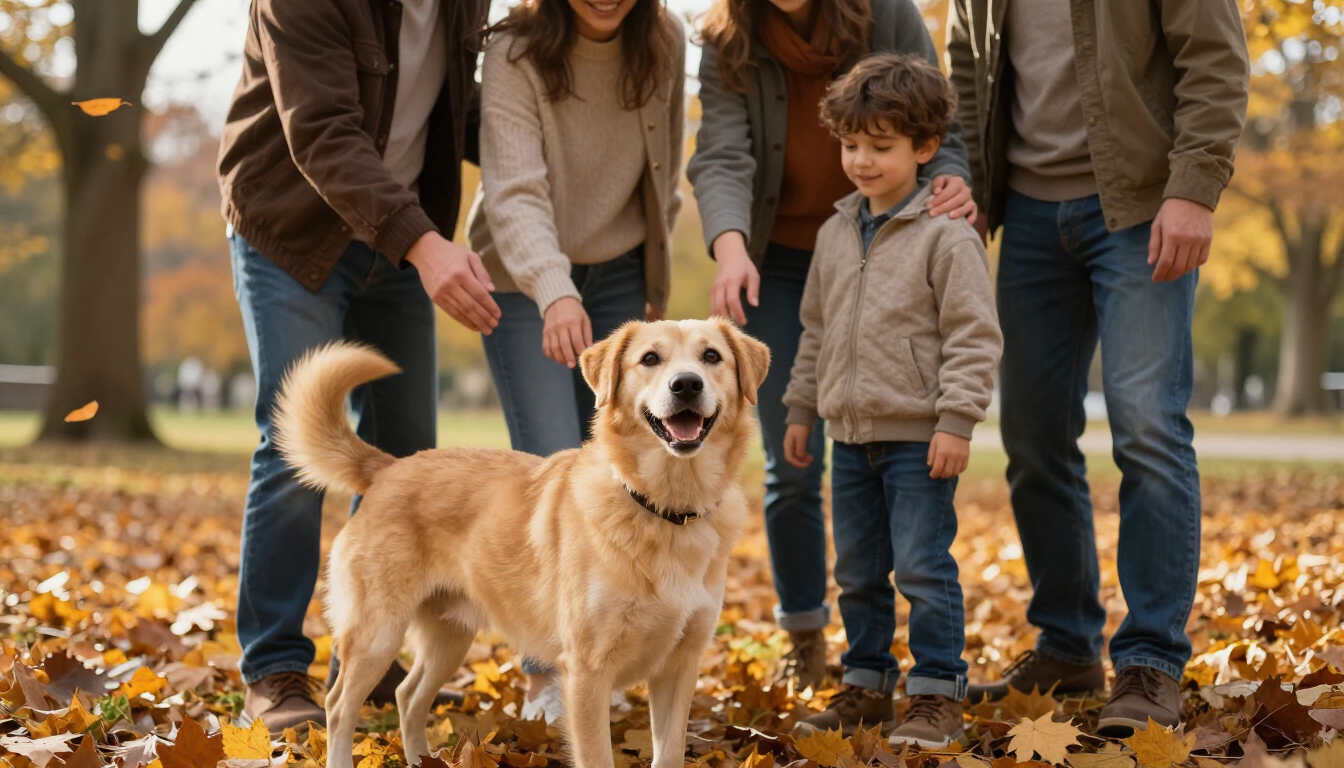
Adopt a shelter dog with your family this fall
October 5, 2026
Ready to adopt a shelter dog? Debunk rescue myths, spot adoption readiness, follow five practical steps, and meet your next family companion with Rue's Kennels.
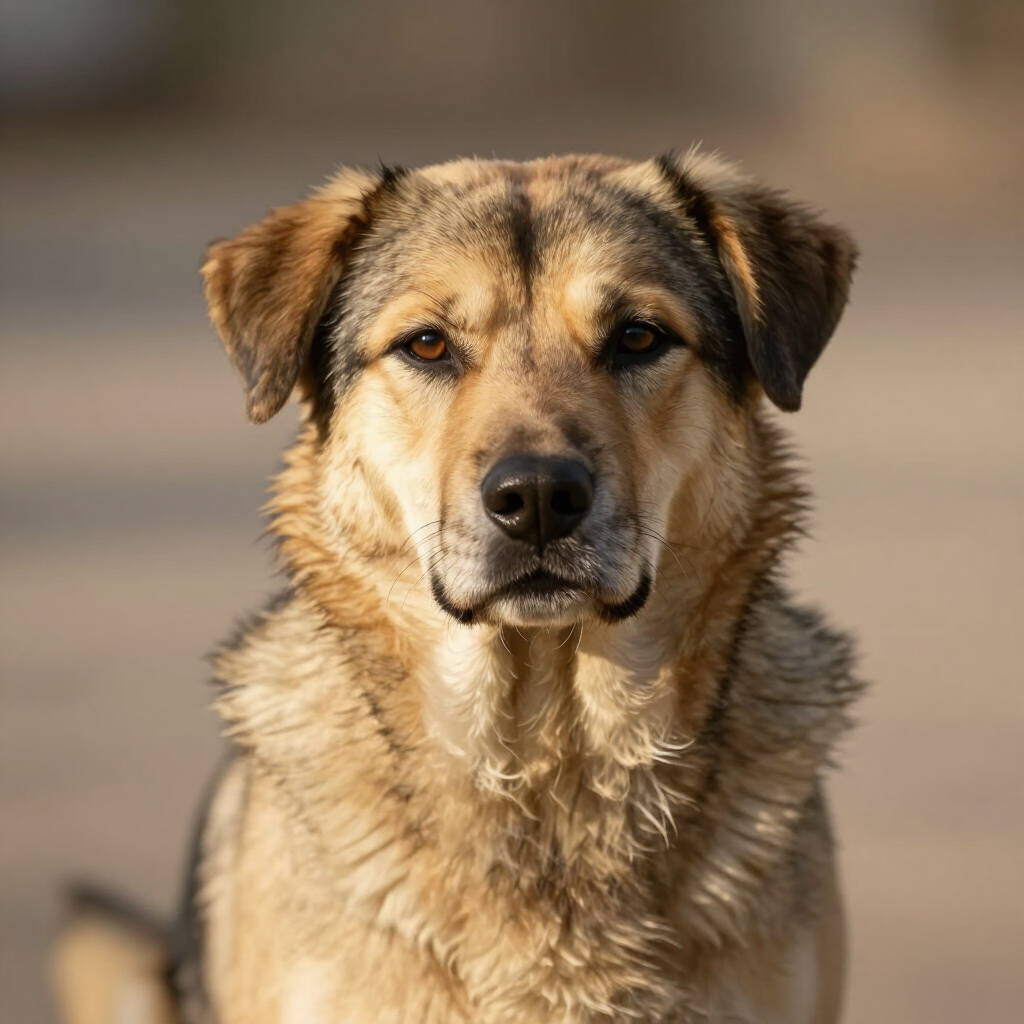
International rescue dog relaxing at home after adoption
September 28, 2026
Learn what to expect in the first 30 days when bringing an international rescue dog home, including decompression, safety, and bonding tips.
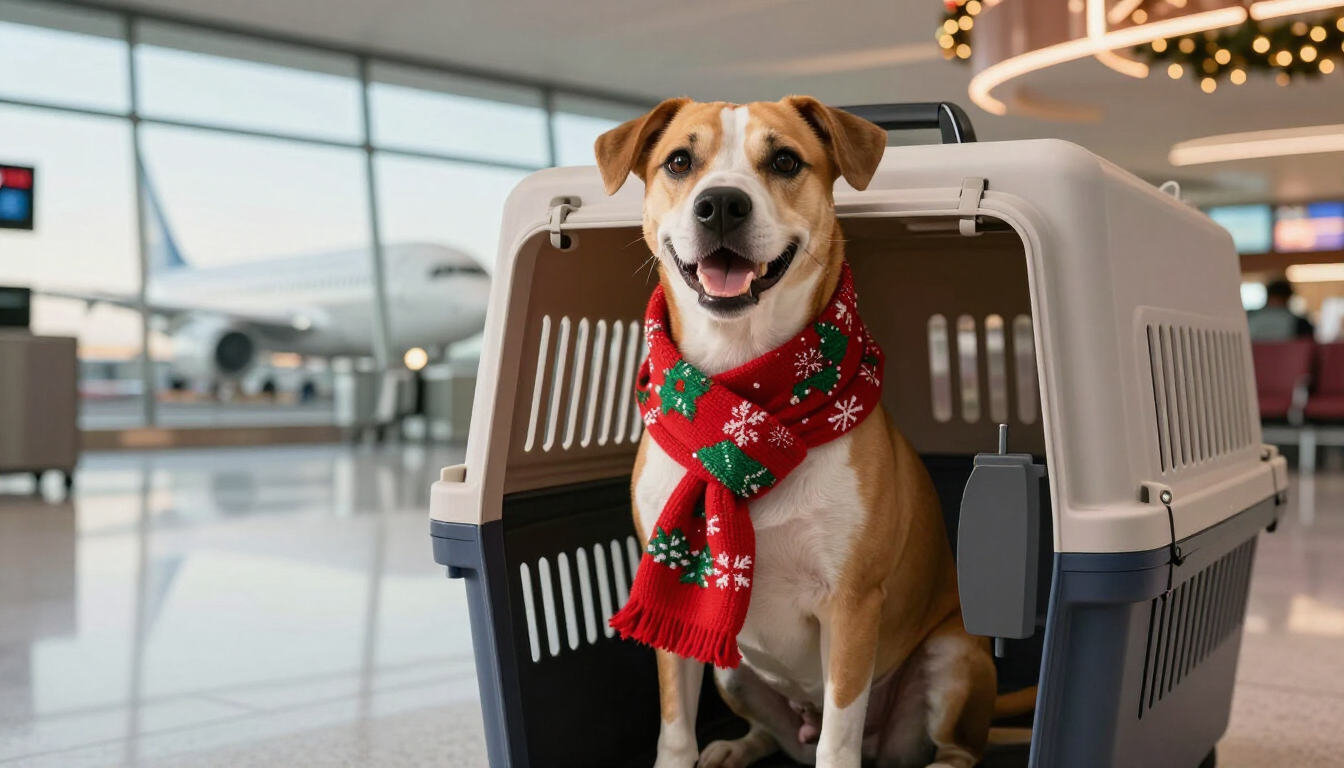
A dog waiting at the airport for a holiday flight to the United States.
September 21, 2026
Plan your dog's holiday travel to the U.S. with our 90-day countdown. Learn why September is the deadline for USDA, CDC, and airline bookings to ensure a winter arrival.
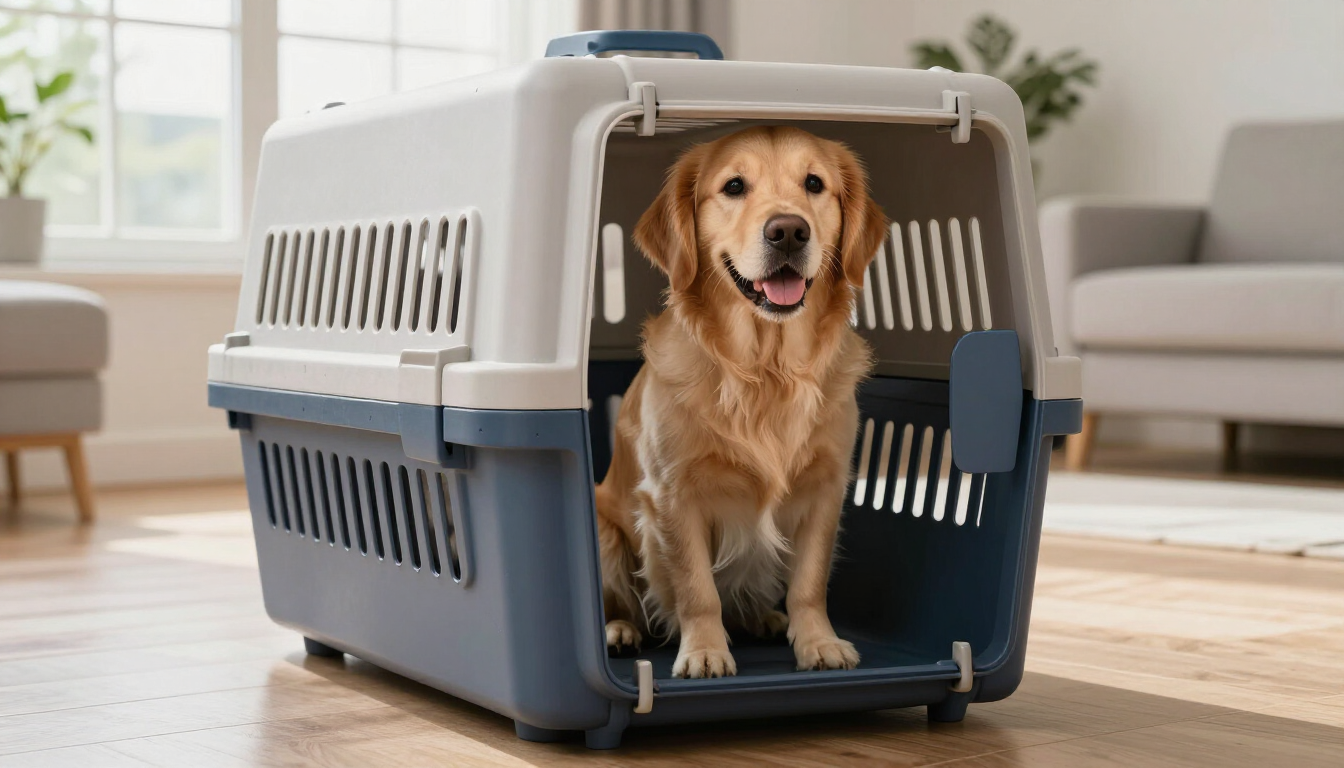
A dog sitting comfortably in an airline approved travel crate.
September 14, 2026
Learn how to choose and prepare an IATA-compliant travel crate for your dog. This guide covers measurements, airline rules, and a 4-week acclimation plan for safe flight.
A dog prepared for international travel during the autumn season.
September 7, 2026
Discover why fall is the safest window for international dog travel to or from Los Angeles. Learn about lifting heat embargoes, CDC requirements, and booking tips.
By VIV Builder • August 31, 2026
Prepare your dog for international travel through LAX with tips on crates, paperwork, airline rules, and import/export planning.
Show More