
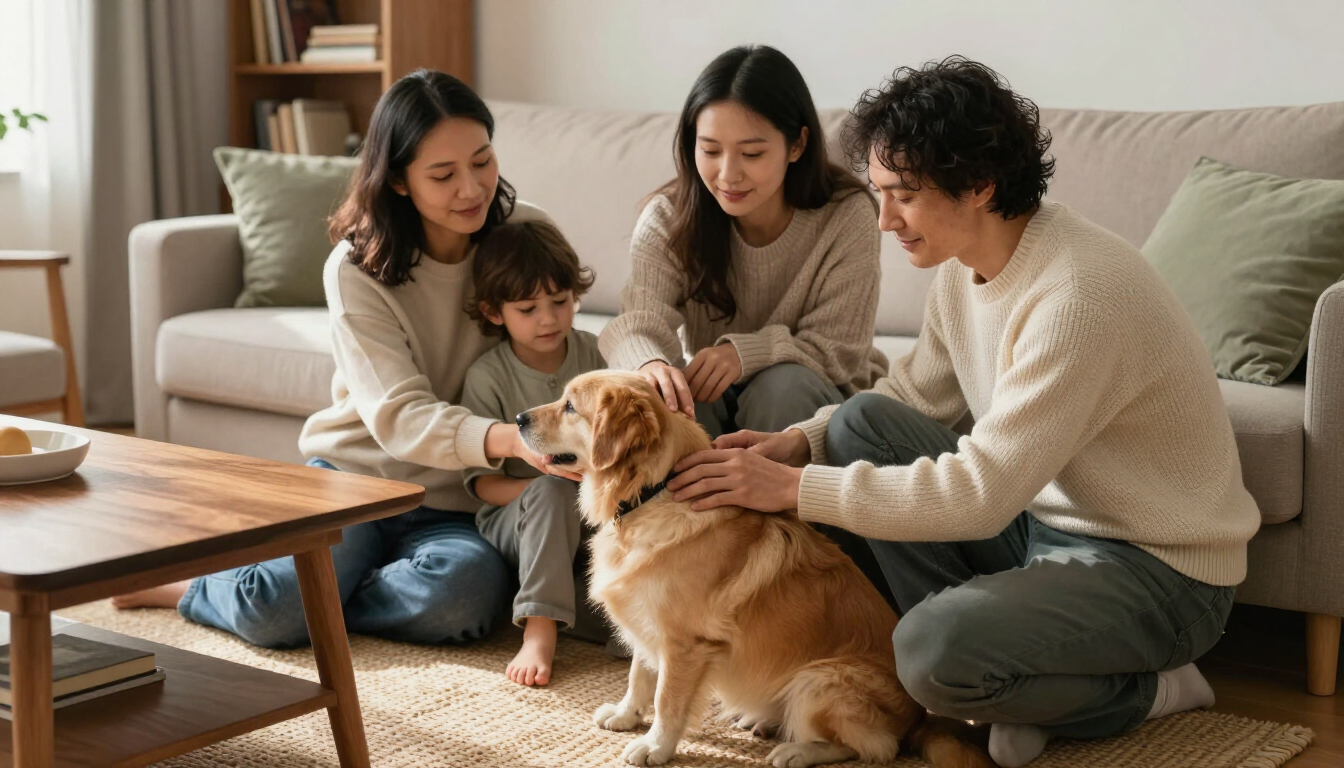

How to Adopt an International Rescue Dog
International rescue dog adoption through China Rescue Dogs is a careful, rewarding process that combines international transport, veterinary preparation, patience, and compassion. Expect your dog to need time to decompress, learn your routines, and decide whether your home is truly as good as it smells. Spoiler: it probably is.
What should you expect when adopting an international rescue dog?
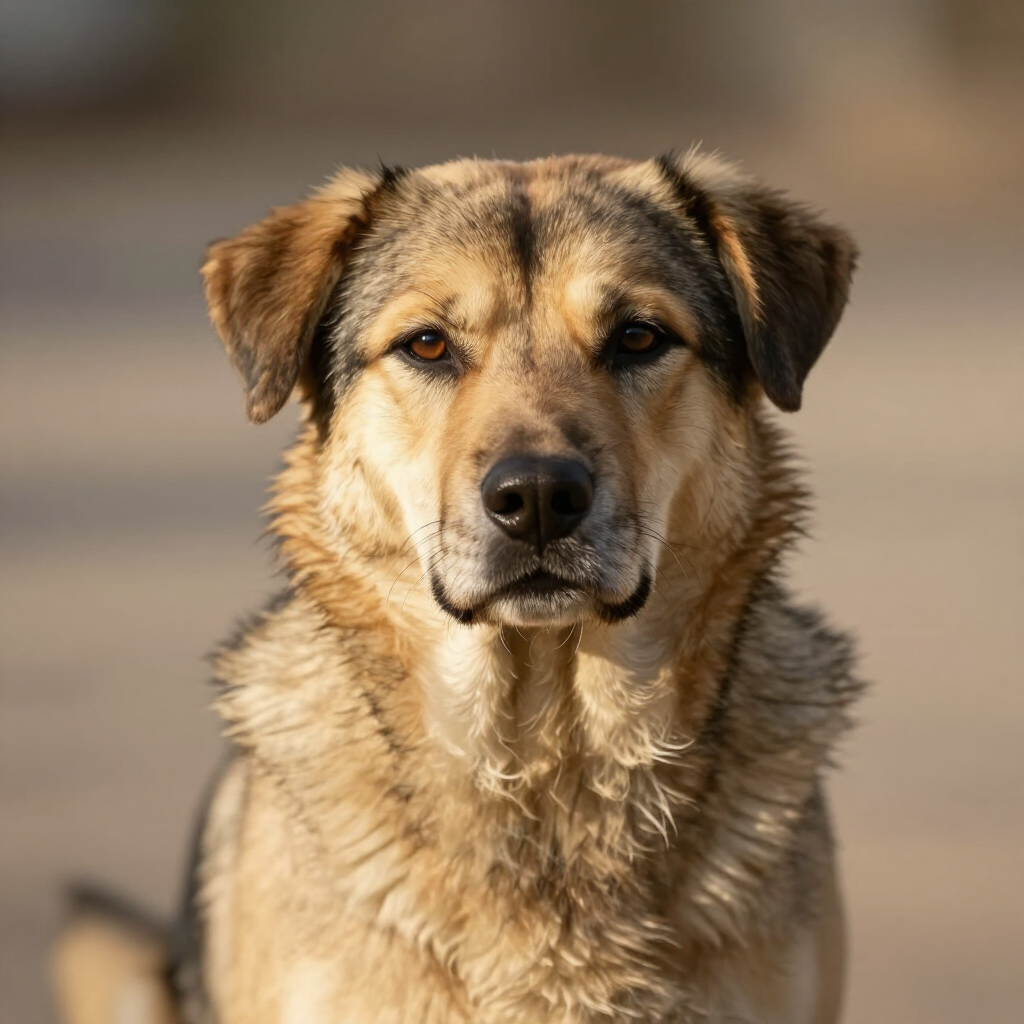
Adopting a dog from another country is both an ordinary adoption and a small logistical adventure. Your new companion may arrive with a different history, language of body movement, diet, and understanding of humans. Some dogs are cheerful immediately. Others need quiet observation time before revealing their personalities.
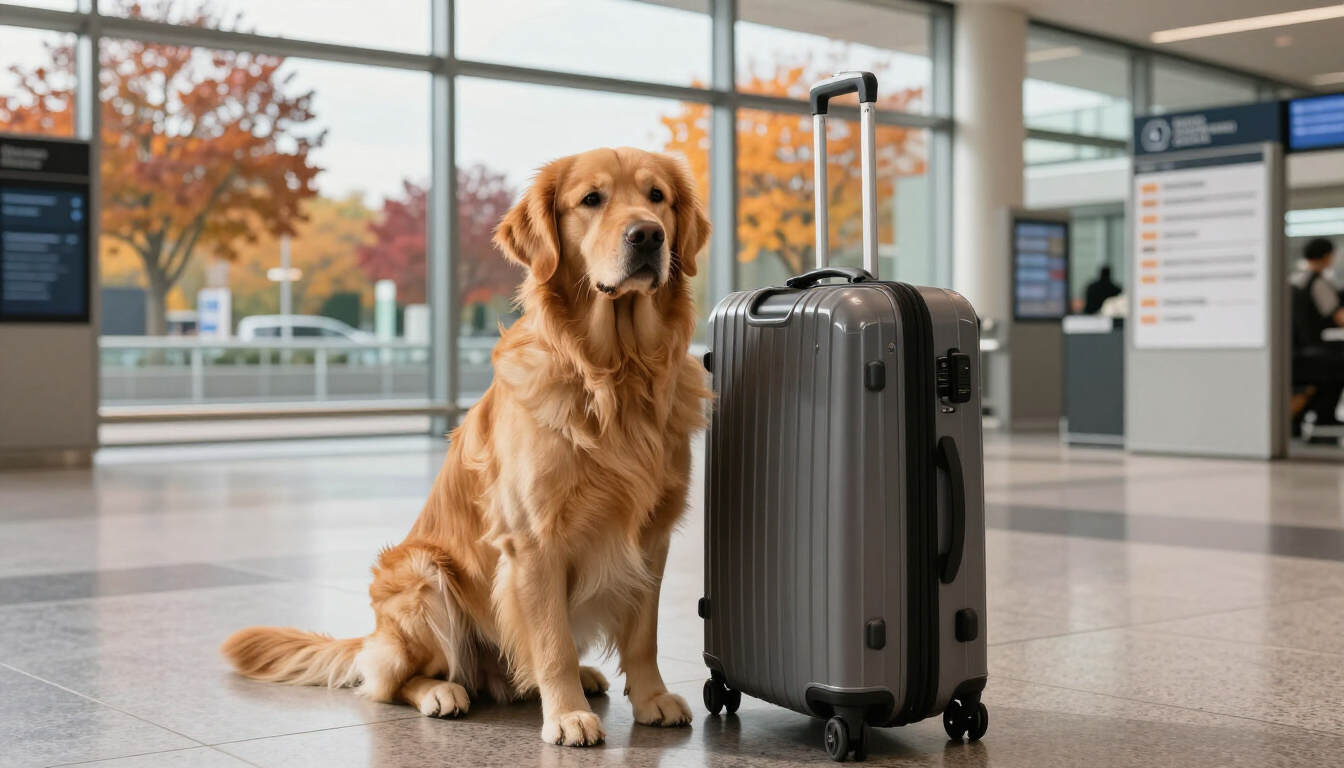
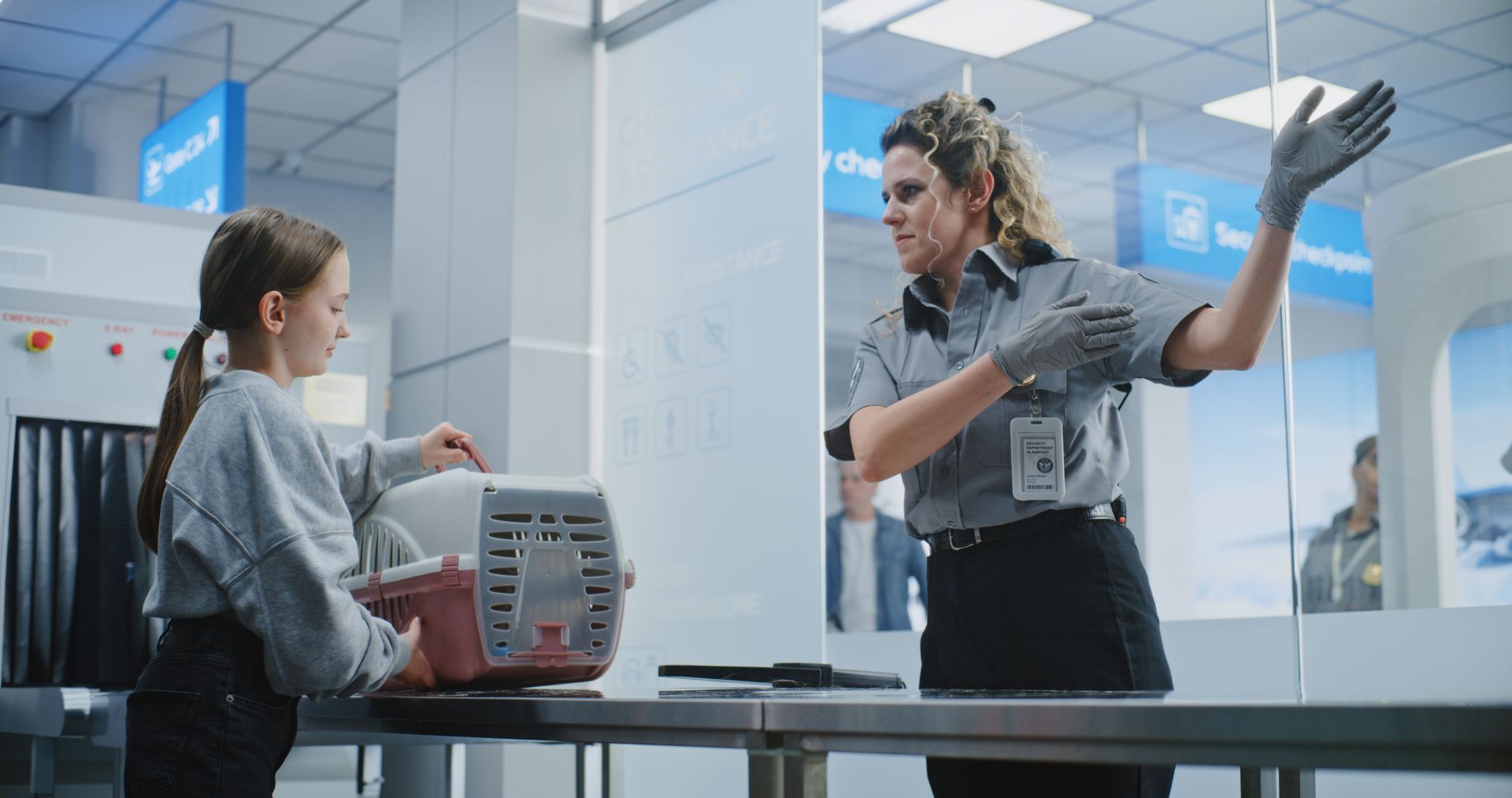
China Rescue Dogs coordinates the rescue and adoption journey, while Rue’s Kennels helps support the safe movement of dogs entering the United States. You can review the Import Process to understand the practical side of international pet transport, including preparation and arrival expectations.
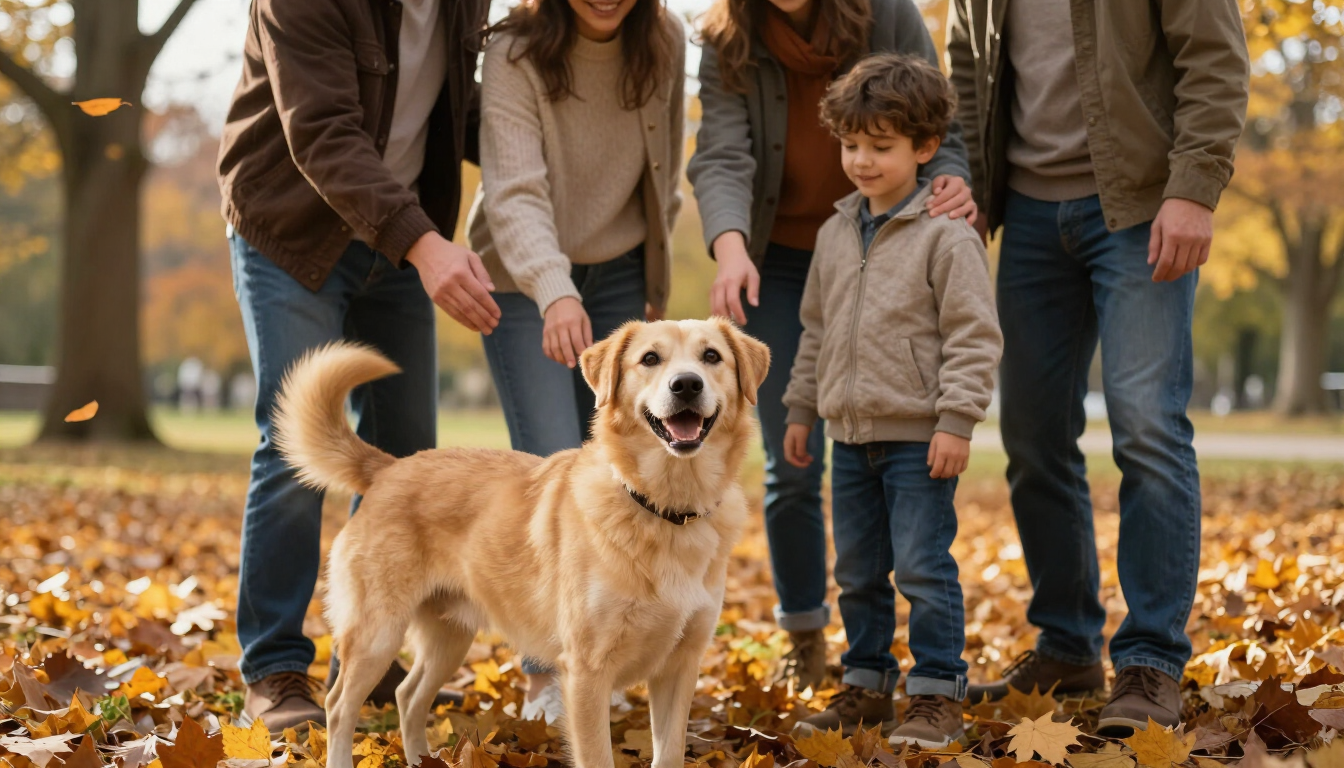
The goal is not to create a perfect first day. The goal is to create a safe first day, then a safer second day, and eventually a home where your dog can relax, play, and confidently claim the comfiest furniture.
How does the transport journey work?
The journey usually involves several stages:
- Rescue and assessment: The dog is identified, cared for, and evaluated for health and temperament.
- Veterinary preparation: Required examinations, vaccinations, tests, and documentation are completed.
- Travel planning: Transport arrangements are coordinated according to destination rules and airline or carrier requirements.
- Arrival and handoff: The dog is transferred safely and reunited with the rescue organization, adopter, or authorized representative.
- Homecoming: Your dog begins decompression in a calm, predictable environment.
Travel can be tiring and confusing. A dog may arrive thirsty, sleepy, overstimulated, or unusually quiet. That does not necessarily reflect their long-term personality. Jet lag is mysterious enough for humans; imagine experiencing it while surrounded by unfamiliar sounds and people who keep saying, “Who’s a good dog?”
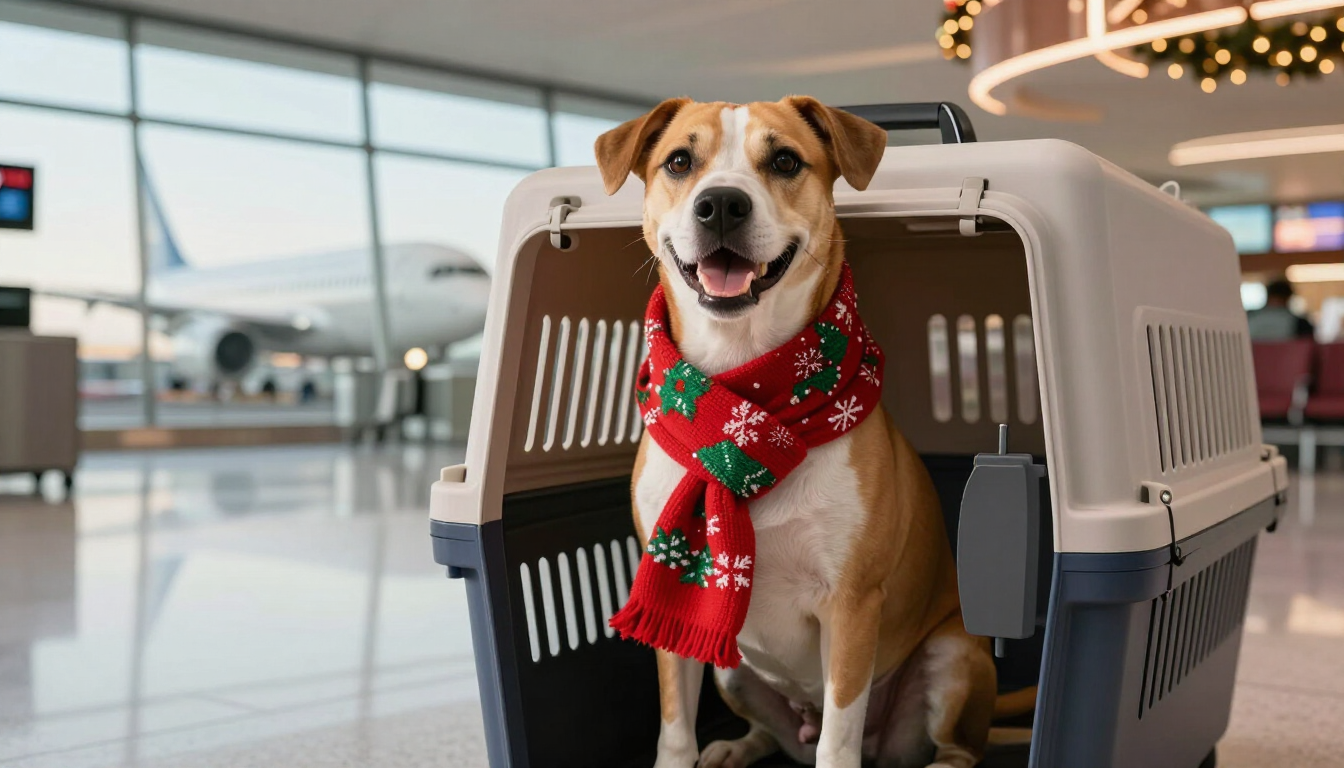
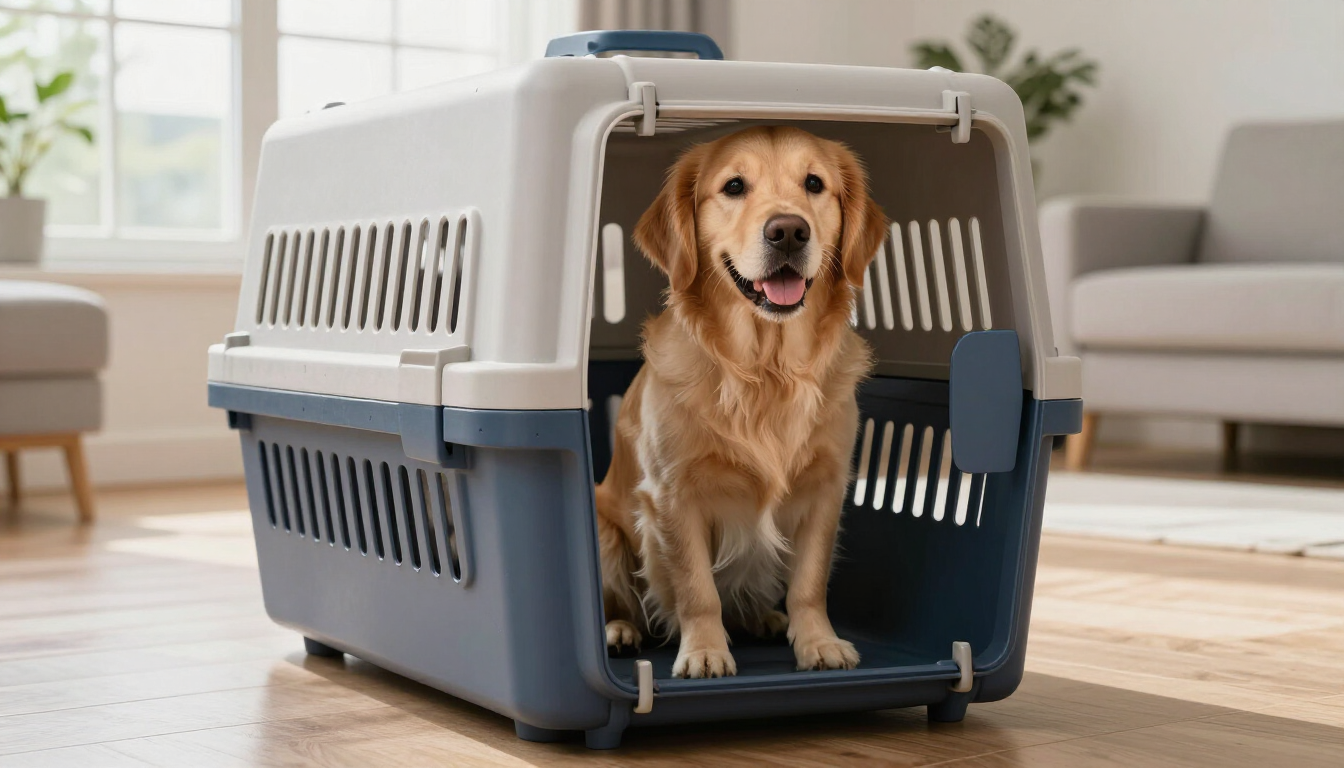
Before pickup, prepare a secure travel route home. Bring a properly fitted collar or harness, identification, leash, water, absorbent bedding, waste bags, and a crate if recommended. Avoid crowded stops and keep doors closed until you are safely indoors.
What vetting and vaccinations are required?
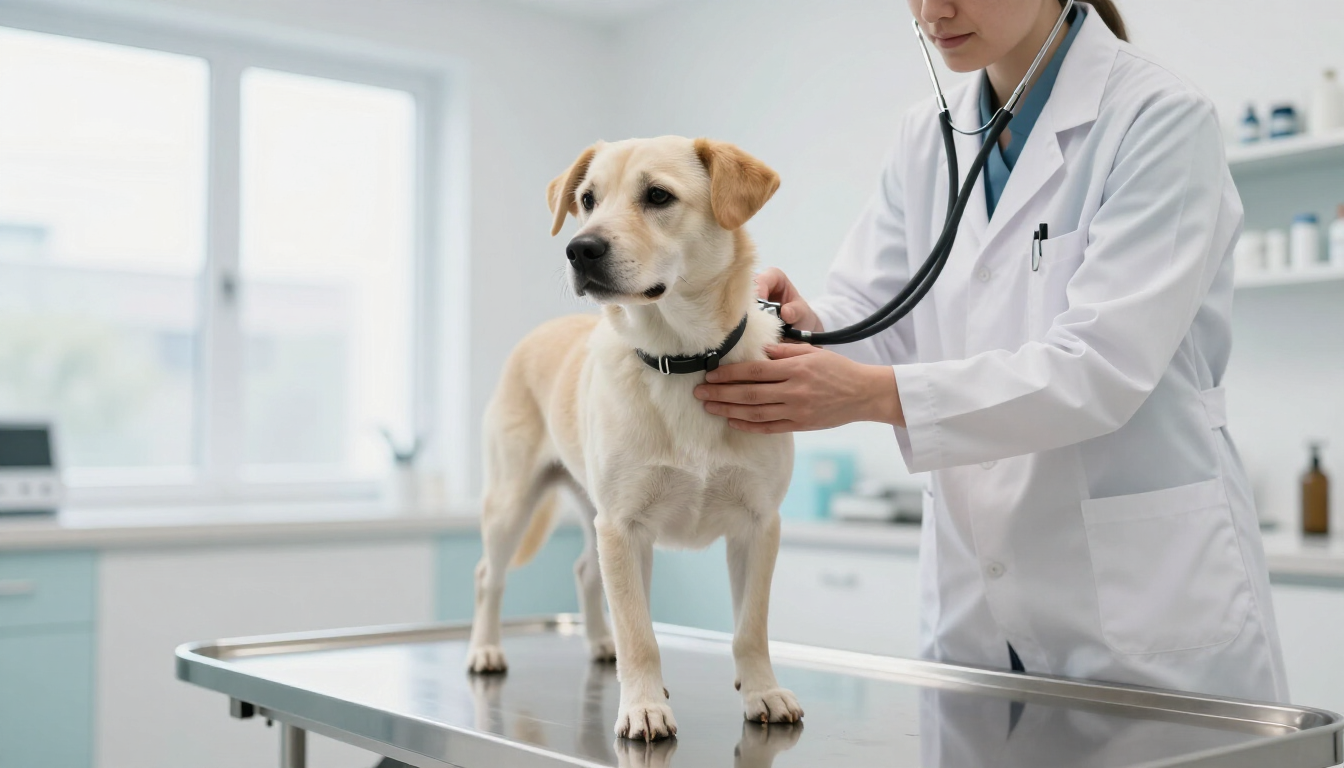
International rescue dog vetting helps protect the traveling dog, resident pets, and the wider community. Requirements vary by country, destination, age, vaccine history, and current regulations, so always follow the latest instructions provided by the rescue organization and relevant authorities.
Common preparation may include:
- A physical examination and health certificate
- Core vaccinations appropriate for the dog’s age and condition
- Rabies vaccination and supporting documentation
- Parasite screening or treatment
- Blood tests, microchipping, and identification records
- Airline, import, or destination-specific paperwork
A dog’s medical history may be incomplete, especially when records come from different systems. Ask what is known, what has been treated, and what your local veterinarian should recheck. Schedule a post-arrival veterinary appointment, but allow your dog enough time to settle unless urgent care is needed.
Bring every document you receive to the appointment. Your veterinarian can create a preventive care plan, discuss nutrition, check for parasites, and recommend a safe vaccination schedule. Do not stack every exciting life event into the first 48 hours. Your dog does not need a welcome parade, a grooming marathon, and a twelve-person dinner party before breakfast.
For additional background, visit Rue’s Info page and keep your adoption records organized in one easy-to-find place.
What is the 3-3-3 rule for rescue dogs?
The 3-3-3 rule is a simple guideline for understanding decompression after adoption:
- First 3 days: Your dog may feel overwhelmed, nervous, withdrawn, or unusually tired.
- First 3 weeks: They begin learning your routines, household sounds, boundaries, and daily rhythm.
- First 3 months: Trust and confidence often deepen as the dog realizes this home is permanent.
The rule is not a deadline or a guarantee. Some dogs adjust faster; others need considerably longer. Trauma, age, health, previous living conditions, transport stress, and individual temperament all influence the process.
The first three days
Keep life wonderfully boring. Set up one quiet room or limited area with food, water, bedding, safe chew items, and easy access outdoors. Use the same gentle phrases and predictable schedule. Keep introductions slow, especially with children, visitors, and resident animals.
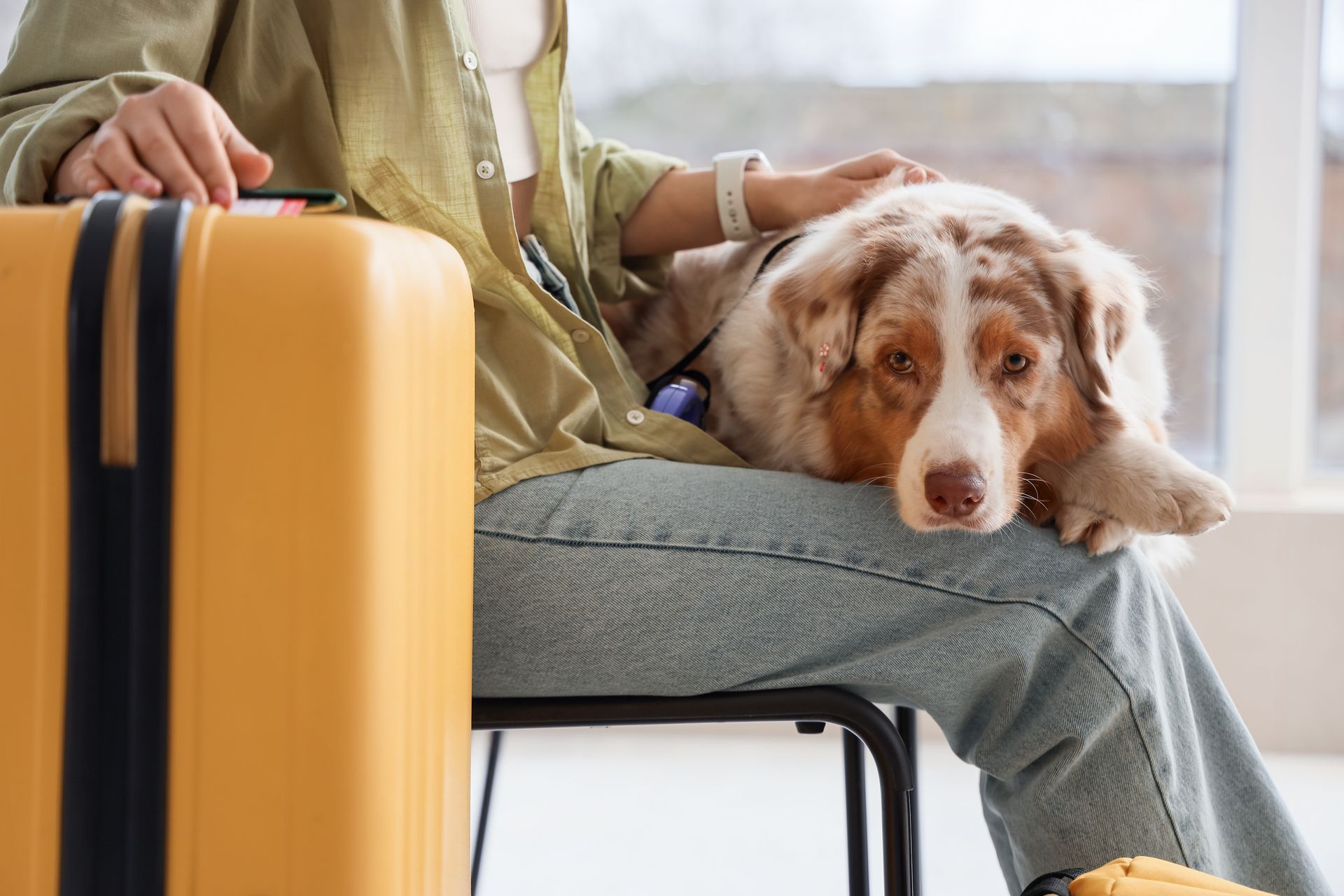
Do not force cuddles, eye contact, play, or exploration. Sit nearby and read a book. Your dog may conclude that you are the world’s least threatening piece of furniture, which is an excellent beginning.
The first three weeks
Gradually introduce more of the home and neighborhood. Maintain consistent mealtimes, potty breaks, walks, rest, and bedtime. Begin reward-based training with simple cues such as their name, “come,” and “touch.” Keep sessions brief and celebrate tiny wins.
Watch for stress signals, including lip licking, yawning, freezing, hiding, pacing, tucked posture, whale eye, or sudden avoidance. Give your dog space rather than correcting fear. A quiet retreat should always be available.
The first three months
As confidence grows, your dog may show more energy, preferences, and opinions. That can be delightful—and occasionally involve discovering that socks are apparently a premium food group. Continue routines, supervision, positive reinforcement, and gradual exposure to new experiences.
Progress is rarely a straight line. A dog who walks confidently one week may feel nervous again after a loud noise or unfamiliar event. Return to easier steps without treating a setback as failure.
How can you build trust with a traumatized dog?
Trust grows when your actions are predictable and your dog has choices. Focus on safety before obedience and connection before performance.
Try these practical habits:
- Move slowly: Avoid looming over your dog or reaching suddenly toward their head.
- Use food thoughtfully: Toss treats nearby, then gradually reward voluntary approach.
- Respect consent: Pause petting when your dog turns away, stiffens, or moves off.
- Keep promises: If you say the walk is ending, do not add three surprise errands.
- Reward calm behavior: Quietly reinforce relaxing, checking in, and choosing appropriate items.
Use a harness and secure leash setup outdoors. Newly adopted dogs can panic and flee, even when they seem calm indoors. Double-check doors, gates, windows, and identification. For the first several weeks, avoid off-leash areas unless the space is completely secure.
Professional help can be valuable. Choose a force-free trainer or veterinary behavior professional familiar with fear, anxiety, and rescue dogs. Punishment may suppress communication while increasing fear, so prioritize humane, reward-based methods.
What should you prepare before your dog arrives?
A little preparation prevents a lot of frantic searching for scissors while holding a leash, a paperwork folder, and one extremely determined dog.
- Secure the home and inspect fences, doors, plants, and small spaces.
- Prepare food, water bowls, bedding, enrichment toys, cleaning supplies, and treats.
- Create a quiet retreat that people and other pets will respect.
- Arrange veterinary care and save emergency contact information.
- Plan a low-key first week with minimal visitors and flexible expectations.
Frequently asked questions
Will my rescue dog bond with me?
Most dogs can form strong bonds with patient caregivers, but the timeline varies. Bonding may appear as choosing to rest nearby, checking in during walks, accepting treats, or seeking help—not only enthusiastic cuddling.
Should I introduce my new dog to everyone immediately?
No. Start with household members and a quiet routine. Add visitors and new environments gradually, watching your dog’s comfort signals.
What if my dog seems afraid of me?
Give space, avoid forced interaction, use calm body language, and reward voluntary approach. If fear is intense or worsening, ask your veterinarian or a qualified behavior professional for guidance.
How long does international rescue dog adoption take?
Timing depends on veterinary requirements, documentation, transport availability, regulations, and the individual dog’s readiness. The rescue team can provide the most accurate timeline for your dog.
Your next steps
International rescue dog adoption is a process of patience, preparation, and tiny victories. Expect transport and veterinary requirements, then give your dog room to decompress through the 3-3-3 framework. Build trust with predictable routines, gentle choices, secure handling, and reward-based training. Before arrival, prepare a calm home, schedule veterinary follow-up, and decide how you will limit stimulation during the first weeks. Then take the next practical step: review the Import Process , gather your supplies, and contact the team with questions. Your new dog does not need perfection—just safety, time, and a human who understands that trust is built one treat, nap, and brave little step at a time.