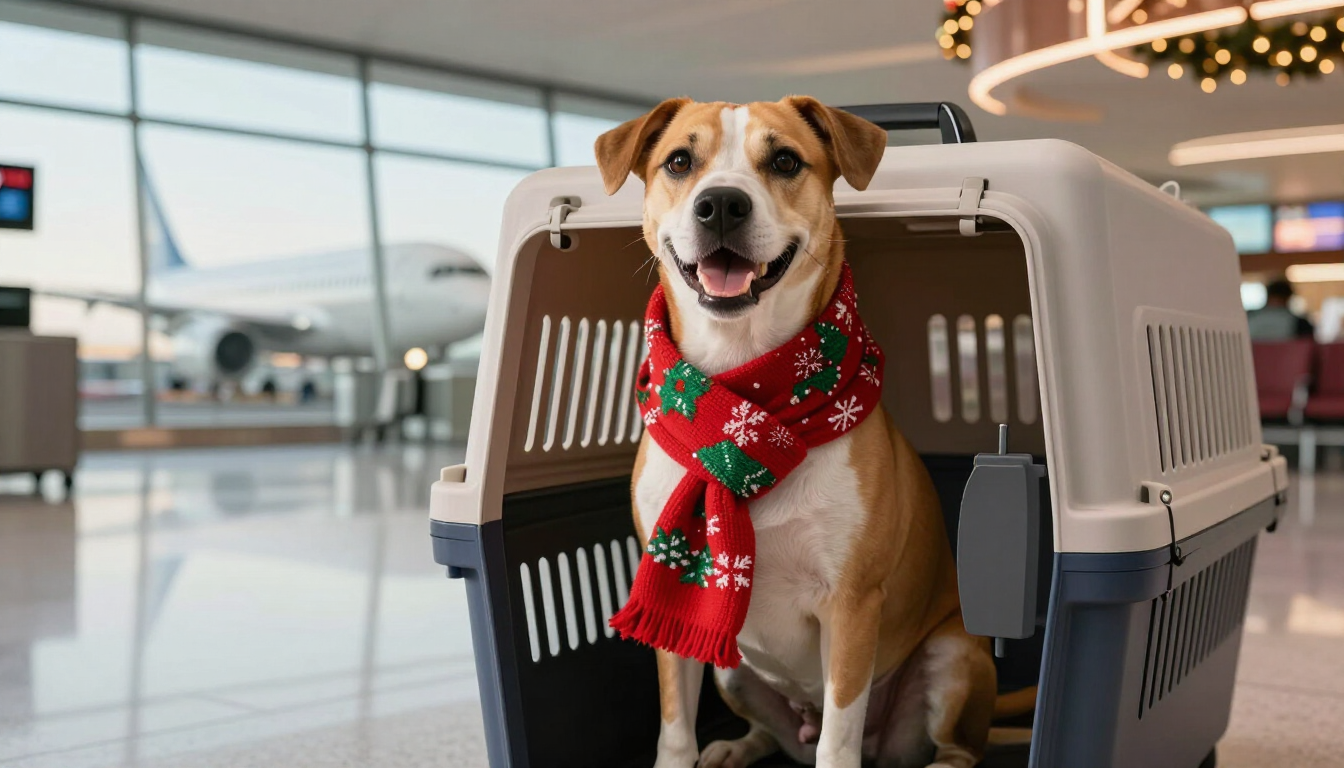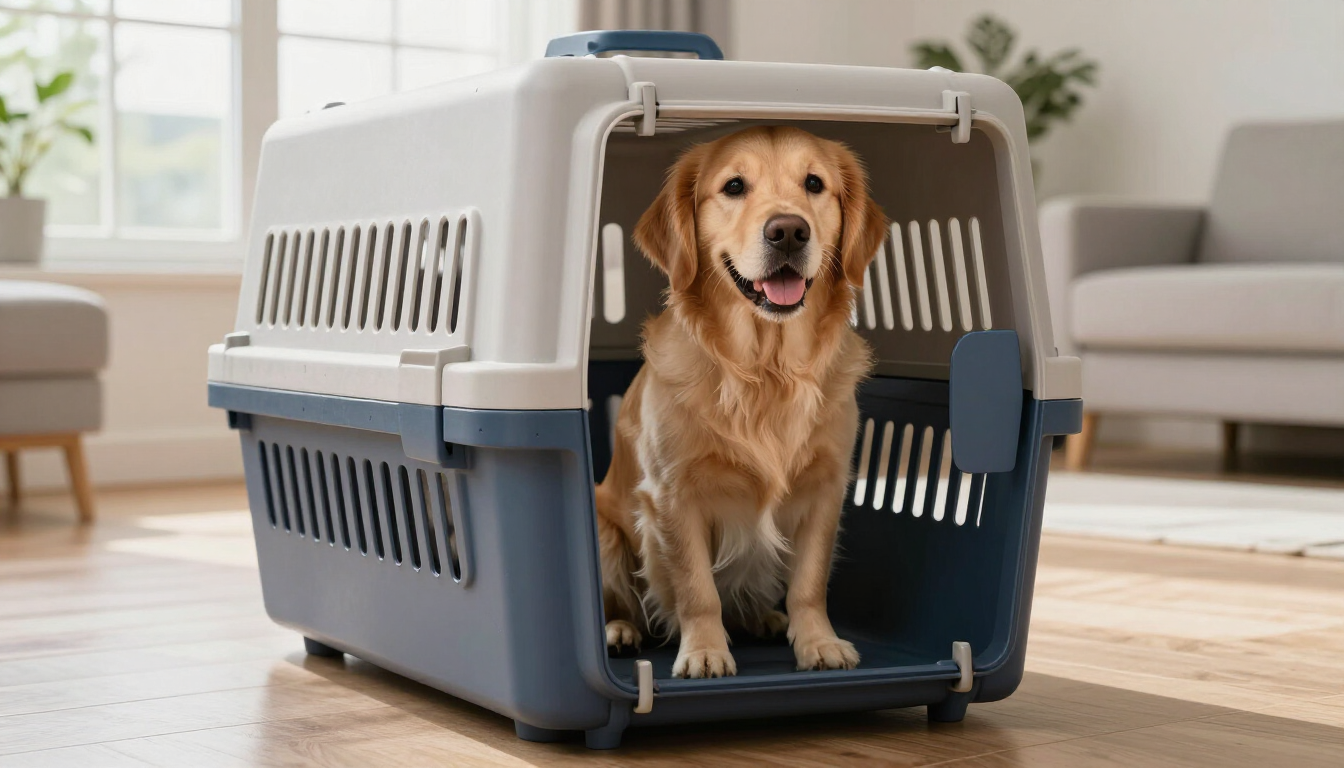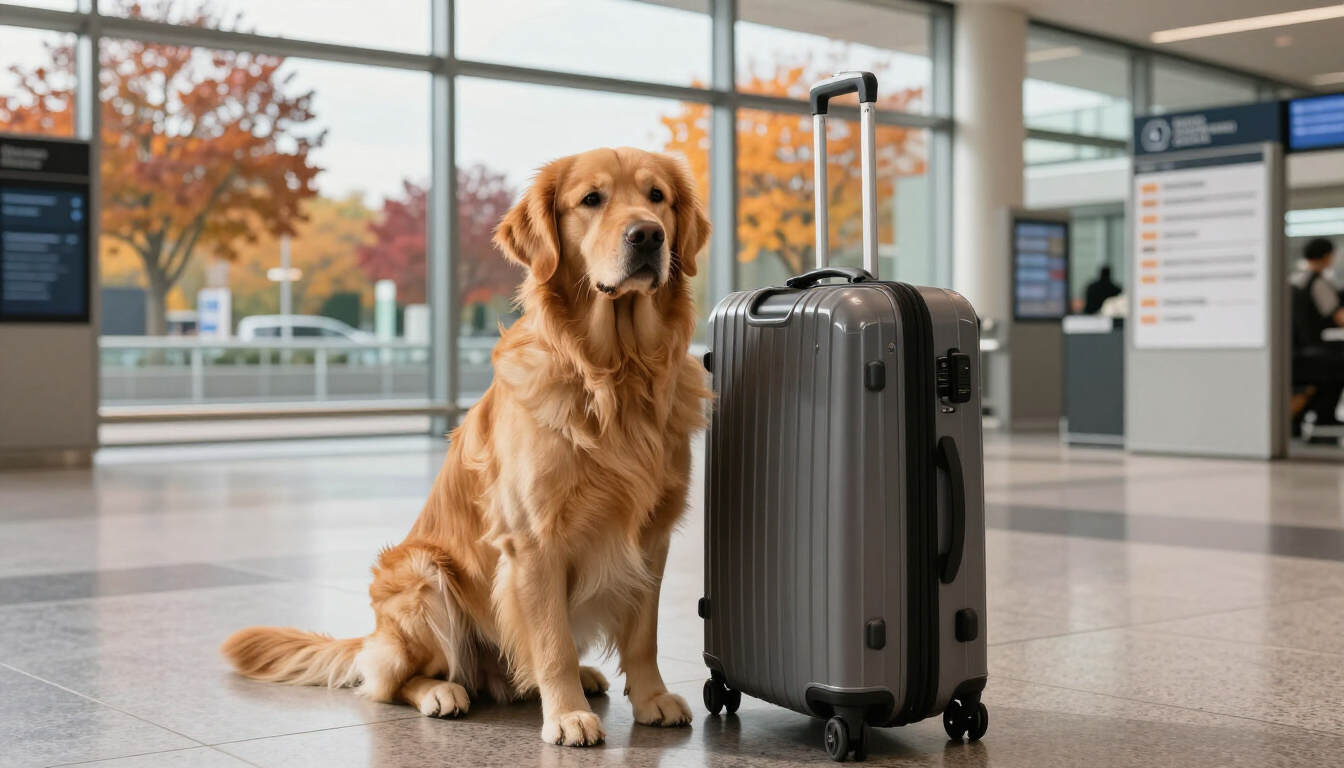
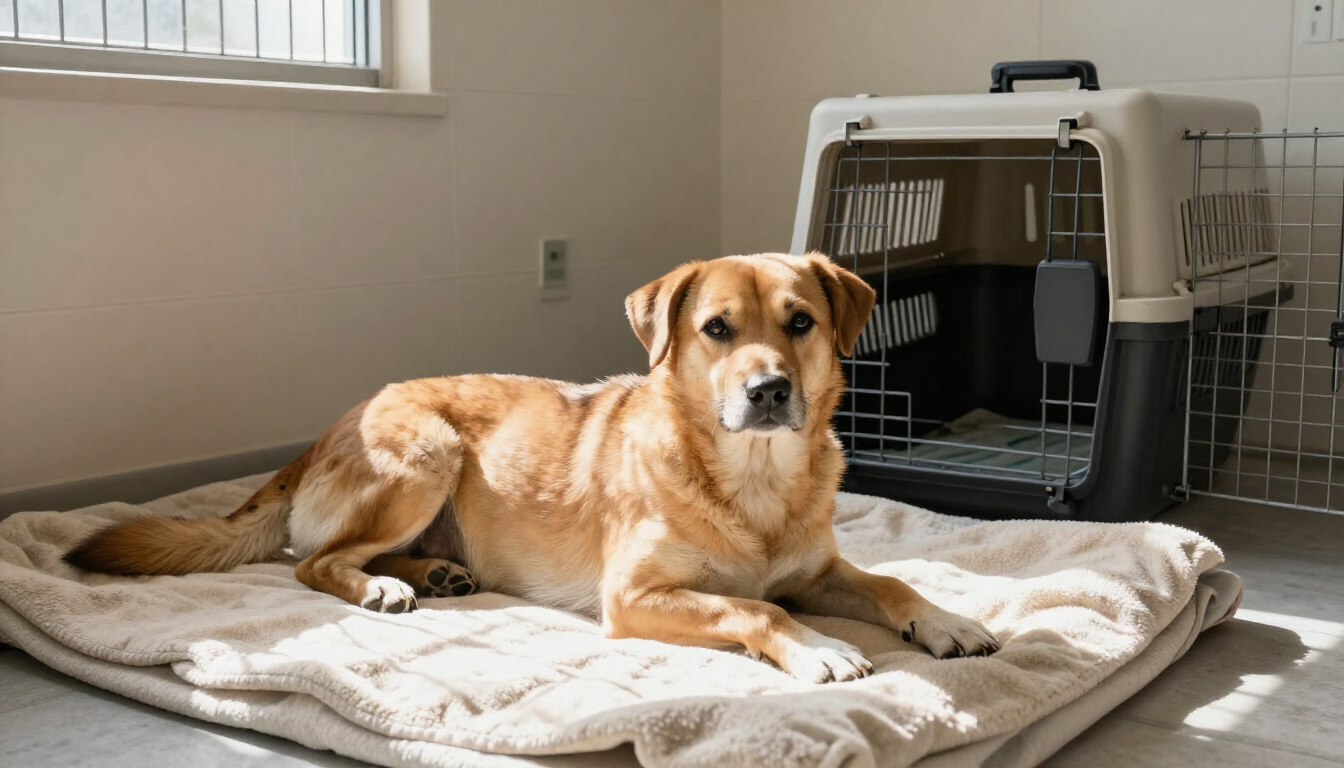
How Dog Import to Los Angeles Works in 2026
Dog import to Los Angeles is the regulated process of bringing a dog into the United States through Los Angeles while meeting CDC, airline, and local health requirements. Depending on the dog’s country of departure, age, vaccination history, and documents, arrival may include identity checks, a health review, rabies verification, and a stay at an approved facility.
Why do some dogs need a CDC-registered facility?
The main reason is rabies prevention. The Centers for Disease Control and Prevention (CDC) applies additional safeguards to dogs arriving from countries considered high-risk for dog rabies. These safeguards help confirm that an imported dog is healthy, properly identified, and not carrying a preventable disease.
A dog may need to enter a CDC-registered animal care facility when it:
- Arrives from a country designated as high-risk for dog rabies
- Is not fully compliant with current CDC entry requirements
- Needs a rabies vaccination, serologic testing, or additional veterinary review
- Has incomplete, inconsistent, or difficult-to-verify travel documents
- Requires an approved arrangement before continuing to its final destination
Not every dog entering through Los Angeles needs the same level of processing. Dogs arriving from countries without a high risk of dog rabies may still need documentation and health checks, but the process can be different. Requirements can also change based on the dog’s vaccination status, age, travel history, and country of departure.
For that reason, owners should review the official requirements well before booking a flight and work with a qualified pet import professional when the situation is complex.
What happens when a dog arrives in Los Angeles?
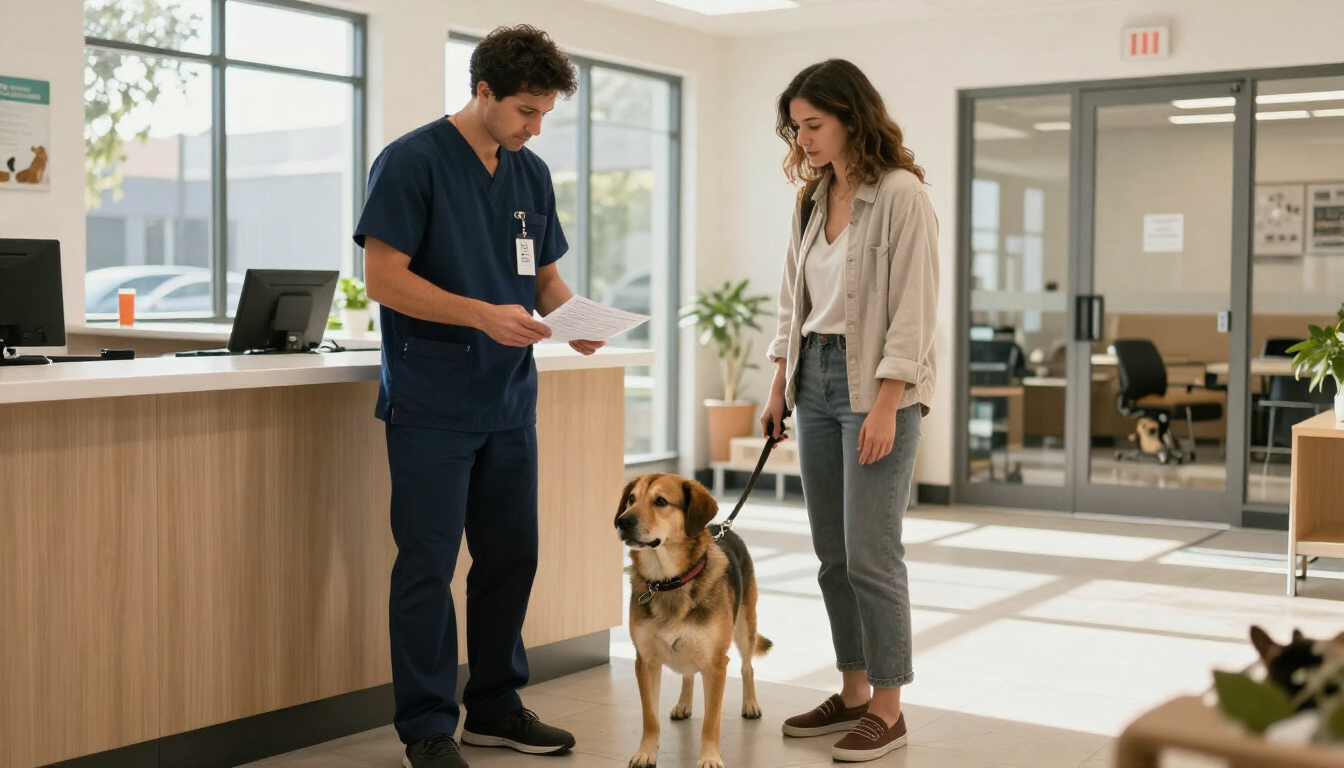
Arrival is typically organized around document review, dog identification, health assessment, and clearance decisions. The exact sequence can vary by airline, port procedures, the dog’s paperwork, and whether the animal is going to a CDC-registered facility.
A typical arrival process includes these steps:
- Arrival and handoff: The dog is received after the flight and transferred according to the approved transport plan.
- Identification check: Staff compare the dog’s microchip or other identifying information with the records and documents provided.
- Document review: Officials or facility staff examine vaccination certificates, permits, laboratory results, airline records, and other required paperwork.
- Health assessment: The dog is checked for signs of illness and evaluated against applicable entry requirements.
- Rabies compliance review: The team confirms whether the dog’s vaccination and testing history satisfies the rules for its country of departure.
- Next-step decision: The dog may be released, directed to veterinary care, scheduled for vaccination or testing, or kept at the facility until requirements are completed.
The goal is not simply to inspect paperwork. The process connects the dog’s identity, health history, travel route, and destination into one verifiable record.
Which documents are reviewed?
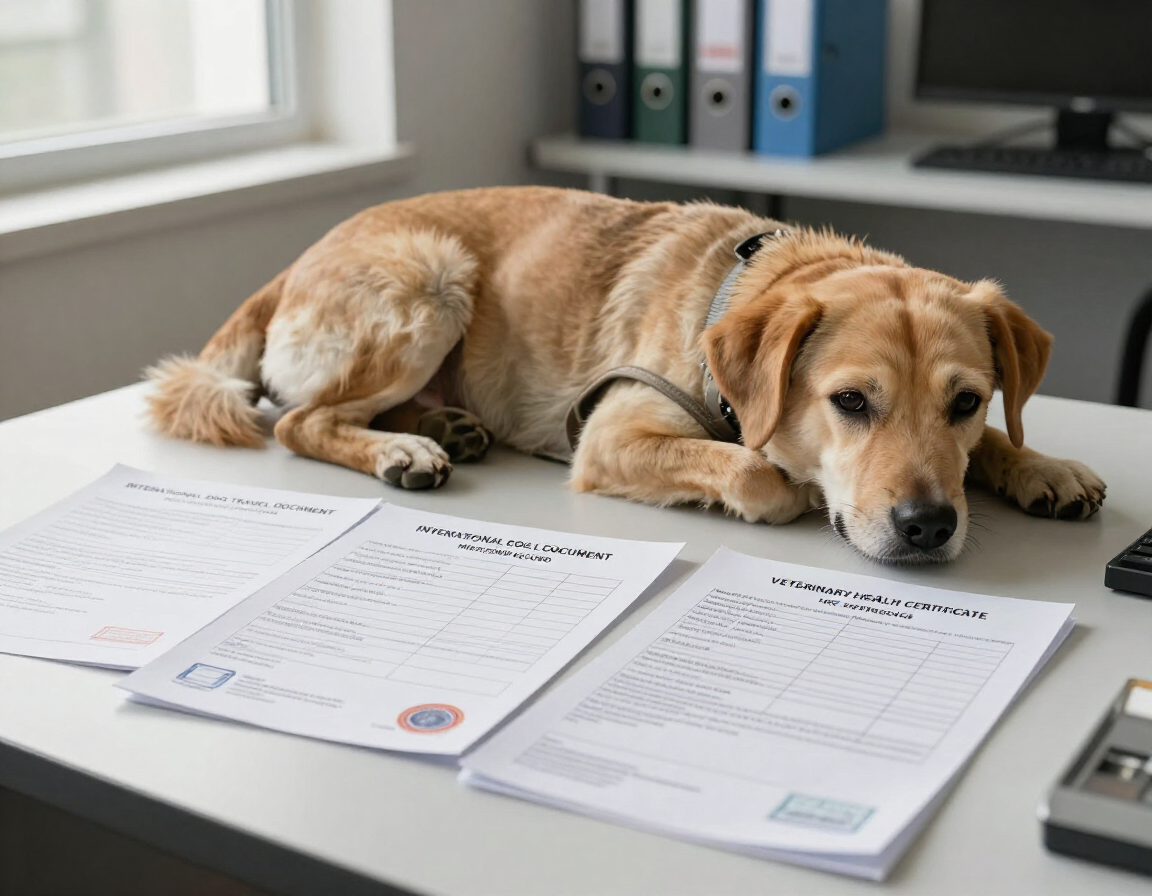
Document requirements depend on the dog’s circumstances. However, owners commonly need to prepare records that establish identity, vaccination history, health status, and travel authorization.
Documents may include:
- A valid rabies vaccination certificate
- Microchip information that matches the dog and its records
- CDC import paperwork or an approved permit, when required
- A veterinary health certificate or examination record
- Rabies antibody serology results, when applicable
- Airline cargo or booking information
- Importer, consignee, and destination contact details
- Records showing the dog’s travel history and country of departure
The most common avoidable problems are mismatched microchip numbers, missing signatures, incorrect dates, unclear country information, and documents that do not match the dog traveling. A document can be legitimate and still be unusable if it does not connect clearly to the animal.
Before travel, compare every record line by line. Check spelling, dates, identification numbers, vaccination details, and the name of the person receiving the dog in the United States.
How long does a dog stay at the facility?
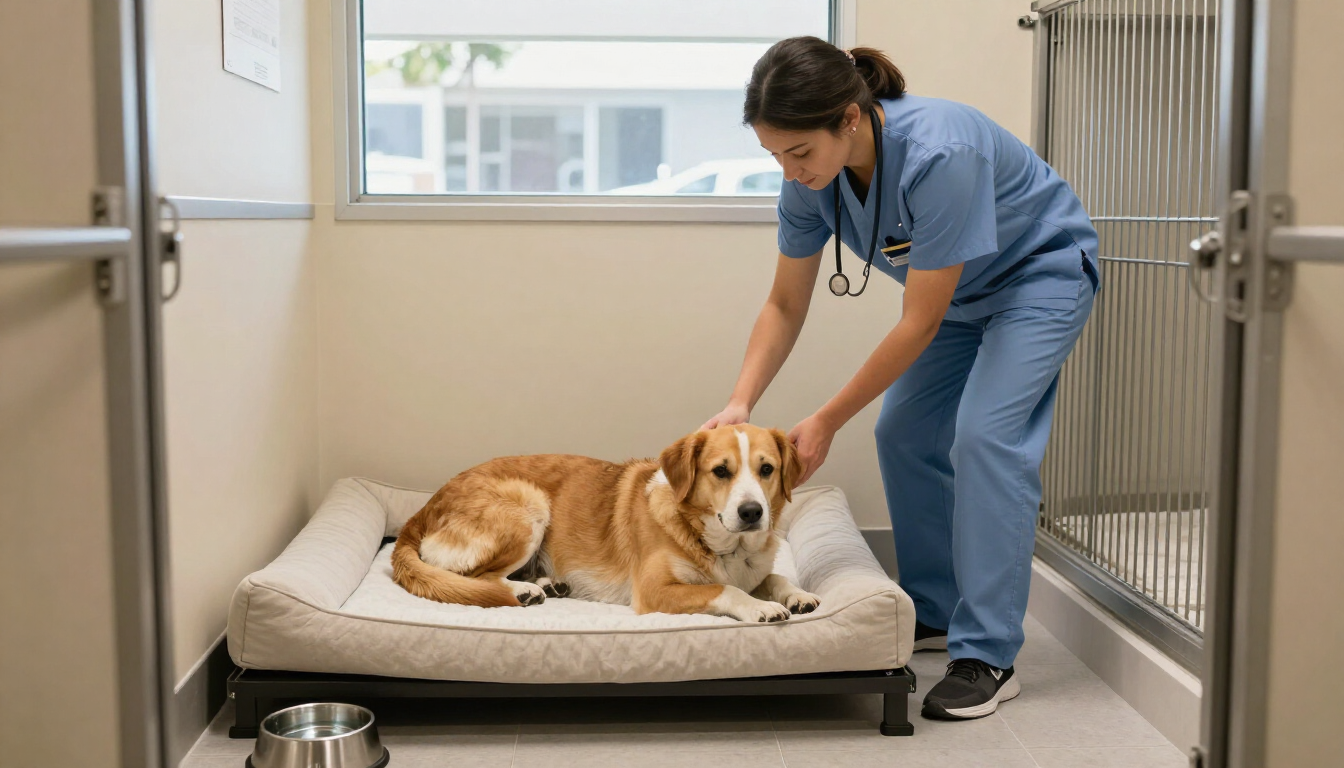
There is no single standard length of stay. A dog may remain for a short period if its paperwork is complete and the required review can be completed promptly. A longer stay may be necessary when the dog needs a vaccination, laboratory testing, veterinary care, document correction, or a mandatory observation period.
Timing is often affected by:
- Whether the dog arrives with complete and accurate records
- The country where the dog has been living or traveling
- Whether rabies vaccination and testing requirements are satisfied
- Laboratory processing and appointment availability
- The dog’s health at arrival
- Weekends, holidays, airline schedules, and facility capacity
- How quickly an owner or authorized agent can correct an issue
A facility stay should therefore be planned as a flexible window rather than a guaranteed number of hours or days. Even when everything is prepared carefully, clearance depends on the facts confirmed at arrival.
Rue’s Kennels helps owners understand the Import Process and prepare for the practical steps involved. If you are arranging a related outbound movement, the Export Process may also be useful.
What can delay dog import clearance?
Most delays are connected to missing information, timing, or a requirement that cannot be completed immediately. Planning early gives owners more options and reduces the pressure of making corrections after the dog has landed.
Common causes include:
- The microchip cannot be read or does not match the paperwork
- A rabies certificate is incomplete or the vaccination is not valid for the dog’s situation
- Required testing was performed too late or at an unapproved laboratory
- A permit was not obtained before travel
- The dog arrives from a high-risk country without the required reservation or documentation
- Airline records, health certificates, and import documents contain conflicting details
- The dog shows signs of illness and needs additional veterinary assessment
A delay does not necessarily mean the dog will be refused entry. It usually means the next compliant step must be identified. Depending on the issue, that may involve document correction, a veterinary examination, testing, vaccination, or continued care at an approved facility.
How should owners prepare before the flight?
Start with the dog’s complete travel history, not just the departure airport. The rules can depend on where the dog has been during the relevant period, particularly when the dog has traveled through or lived in a country designated as high-risk for rabies.
Use this preparation checklist:
- Confirm the dog’s microchip is readable and record the number exactly.
- Determine whether the country of departure is classified as high-risk for dog rabies.
- Review vaccination, testing, permit, and health certificate requirements.
- Schedule veterinary appointments early enough to allow for laboratory processing.
- Send copies of all documents to the airline, receiving party, and import coordinator for review.
- Confirm the facility reservation, arrival instructions, emergency contact, and final delivery plan.
Keep both digital and printed copies of important records. Carrying the originals in the correct travel packet can make it easier to resolve questions quickly.
What should military families, expats, and rescues know?
Relocation schedules can make international dog transport especially challenging. Military orders, employment start dates, adoption timelines, and rescue transfers may all depend on a dog arriving close to a specific date. A compliant plan should still allow room for inspection, processing, and unexpected care.
For rescue organizations and adopters, confirm who is legally responsible for the dog at each stage. The shipper, importer, consignee, airline, veterinary provider, and receiving organization may all have different responsibilities. Put those responsibilities in writing before departure.
It is also wise to establish a backup plan for:
- A missed connection or flight change
- A longer-than-expected facility stay
- A medical concern discovered on arrival
- A document that needs correction
- A delay in final delivery to the adopter or family
If you need clarification about your circumstances, use Rue’s Contact page to discuss the planned route and arrival details.
Frequently asked questions
Can I meet my dog immediately after arrival?
Not always. Access depends on the airline, port procedures, facility rules, and whether the dog must complete a CDC-required review or stay. The receiving party should wait for official release instructions before traveling to the facility.
Does every imported dog need rabies testing?
No. Testing requirements depend on factors such as the dog’s country of departure, vaccination history, age, and applicable CDC rules. Dogs from high-risk countries may face additional requirements, so the individual case must be reviewed before travel.
Can a dog be released if one document is missing?
Release depends on the missing document and the applicable entry rules. Some issues can be corrected quickly; others require testing, vaccination, veterinary review, or a longer approved stay. Do not assume a missing record can be supplied after arrival without consequences.
Who pays for the facility stay?
The owner, importer, rescue organization, or another party identified in the transport agreement may be responsible. Costs can include boarding, veterinary services, testing, vaccinations, document processing, and ground transportation. Confirm payment responsibilities before booking.
Key takeaways
Dog import to Los Angeles is easiest when identity, health, rabies, and travel records are prepared as one complete file. Dogs from high-risk rabies countries may need additional review or a stay at a CDC-registered facility. Facility timelines vary because clearance depends on documents, testing, health, and scheduling. Before booking, confirm the dog’s travel history, current CDC requirements, airline process, and approved arrival arrangements. Then keep a flexible plan for delays and make sure every person involved knows who is responsible for documents, payments, care, and final delivery.