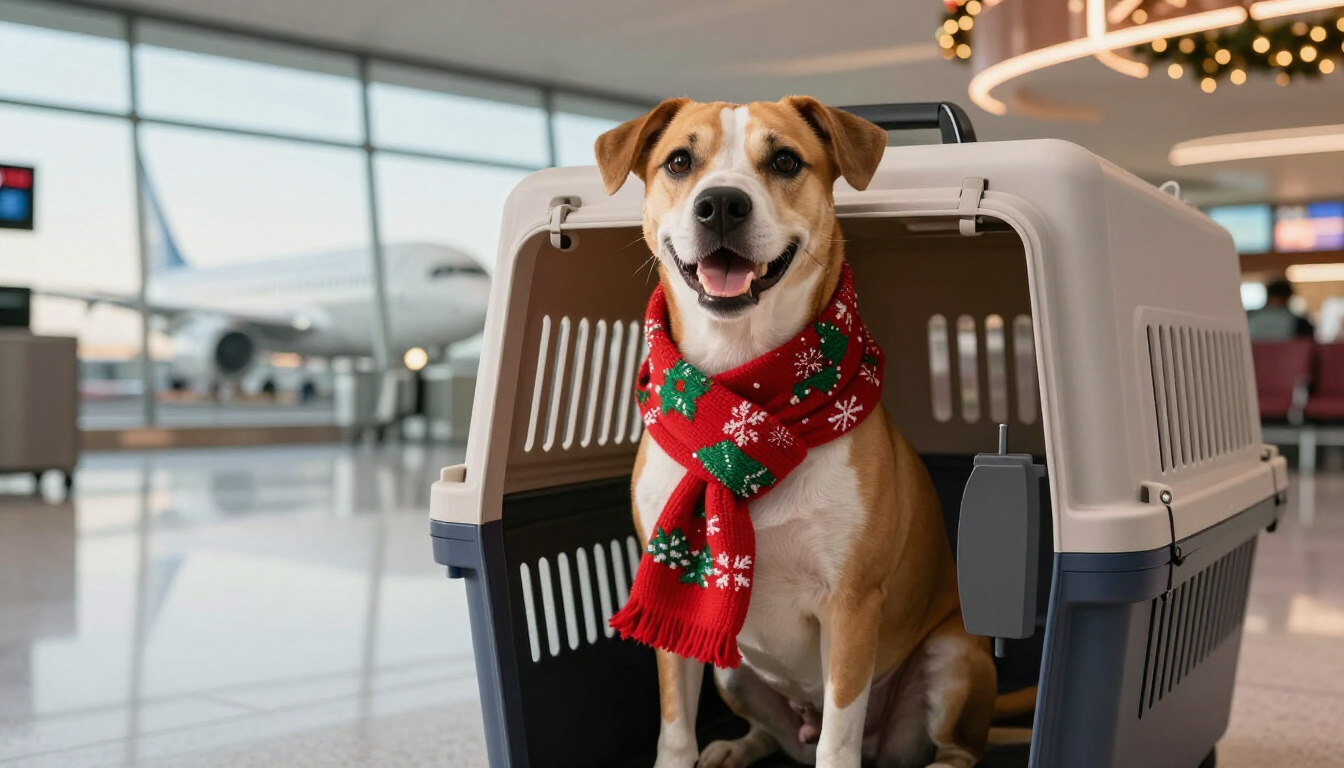

Step-by-Step Guide to Preparing Your Pet for Overseas Travel

Traveling overseas with your pet can be an exciting adventure, but it requires meticulous planning to ensure your furry friend’s comfort and safety. From securing the right documentation to selecting the best travel crate, every step is essential to guarantee a hassle-free journey. In this guide, we’ll walk you through the entire process of preparing your pet for international travel.

Step 1: Understand Pet Travel Regulations

Before planning your trip, familiarize yourself with the regulations of your destination country. Different countries have specific requirements regarding pet entry, such as quarantine periods, prohibited breeds, and mandatory vaccinations.


Key Points to Research:


  • Import Restrictions: Check if your pet's breed or species is permitted.
  • Quarantine Policies: Some countries, like Australia, require a quarantine period even with proper documentation.
  • Vaccination Requirements: Most countries mandate up-to-date vaccinations, especially for rabies.
  • Microchipping: Many nations require an ISO-compliant microchip for identification.


Pro Tip:

Consult the embassy or official government website of your destination country for the most accurate and updated information.

Step 2: Schedule a Vet Appointment

Your pet's health is a top priority during international travel. Schedule a veterinary appointment well in advance to ensure all medical requirements are met.


What to Discuss with Your Vet:


  • Vaccinations: Confirm that your pet’s vaccinations are current and aligned with your destination’s requirements.
  • Health Certificate: Most countries require an official health certificate issued within 10 days of travel.
  • Parasite Prevention: Administer flea, tick, and worm treatments to avoid health issues during the trip.
  • Sedation Options: If your pet is prone to anxiety, discuss safe calming solutions for travel.

Step 3: Obtain the Necessary Documentation

Proper documentation is crucial to avoid delays or complications at customs. Here’s a checklist of essential paperwork:


Checklist:


  1. Health Certificate: Signed by an accredited veterinarian.
  2. Vaccination Records: Including rabies and other required shots.
  3. Import Permits: Required by some countries, which must be secured in advance.
  4. Microchip Information: Proof of your pet’s unique ID.
  5. Airline-Specific Documents: Some airlines require additional forms or declarations.


Make multiple copies of these documents and store them in a secure, accessible location during travel.

Step 4: Choose the Right Travel Crate

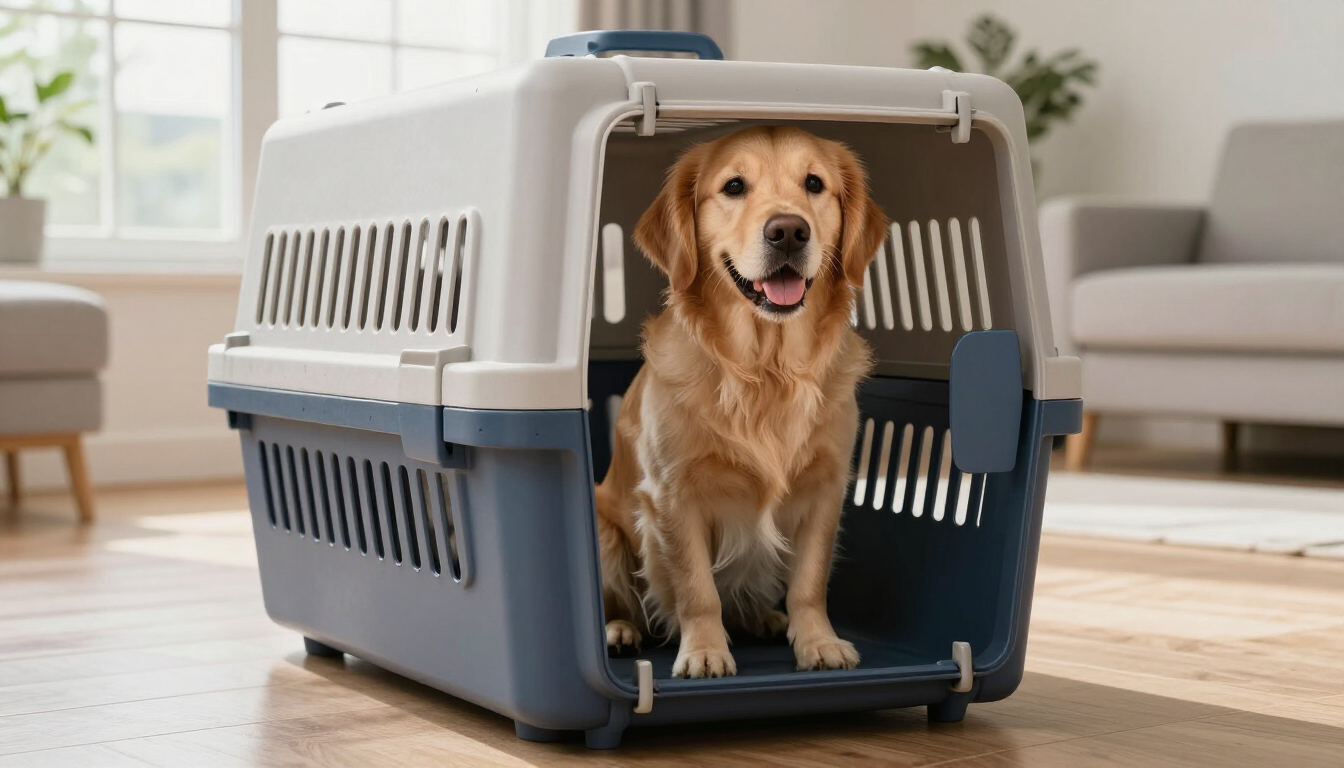
Selecting the correct travel crate is vital for your pet's comfort and safety. The crate must meet International Air Transport Association (IATA) standards.


Features of an Ideal Travel Crate:


  • Size: Your pet should be able to stand, turn, and lie down comfortably.
  • Ventilation: Ensure proper airflow on all sides of the crate.
  • Secure Locking Mechanism: Prevent accidental escapes.
  • Durability: Opt for sturdy, impact-resistant materials.


Crate Training Tips:


Start acclimating your pet to the crate weeks before your departure:

  • Place familiar bedding or toys inside to create a sense of security.
  • Gradually increase crate time to build comfort.
  • Offer treats to encourage positive associations.

Step 5: Book Your Pet’s Travel Arrangements

Contact your airline early to understand their pet travel policies and secure a reservation for your pet. Many airlines have limited space for live animals, so book well in advance.


Key Questions to Ask Your Airline:


  • Does the airline allow pets in the cabin or cargo hold?
  • What are the crate size and weight restrictions?
  • Are there layover-specific rules for pets?
  • What are the fees for transporting animals?


If possible, choose direct flights to minimize stress for your pet and reduce the risk of delays.

Step 6: Pack Pet Travel Essentials

Prepare a travel kit to ensure your pet’s needs are met during the journey.


Travel Kit Essentials:


  • Collar with ID Tags: Include your contact information and destination address.
  • Leash: Useful during layovers or emergencies.
  • Food and Water: Pack enough for the journey and a bit extra.
  • Portable Bowls: Lightweight and collapsible for convenience.
  • Waste Bags: Keep things clean during stops.
  • Comfort Items: Bring their favorite toy or blanket to reduce anxiety.

Step 7: Prepare for Travel Day

On the day of travel, take steps to keep your pet calm and comfortable.


Tips for a Smooth Travel Day:


  • Feed your pet a light meal a few hours before departure to avoid an upset stomach.
  • Exercise them to tire them out before boarding.
  • Check the crate’s security one final time.
  • Arrive early at the airport to allow time for check-in and inspections.

Step 8: Adjust to the New Environment

Once you’ve arrived at your destination, help your pet acclimate to their new surroundings.


Steps to Take Upon Arrival:


  • Inspect your pet for signs of stress or dehydration.
  • Provide fresh water and a familiar meal.
  • Give them time to explore and adjust to the new environment.
  • Monitor their health in the days following travel, and consult a vet if needed.

Additional Resources

For more guidance on international pet travel, check out our Pet Travel Services page. We provide expert assistance with documentation, crate preparation, and more to ensure your pet’s overseas journey is stress-free.


By following this step-by-step guide, you can confidently prepare your pet for their adventure abroad. Careful planning and attention to detail will ensure a safe and enjoyable trip for both you and your furry companion. Safe travels!

share this

Related Articles

Related Articles

By Jonathan Rue's Kennel December 13, 2025
Why a CVI Is Best Practice for Domestic Dog Travel (Even When the Airline Doesn’t Require One) When planning domestic travel with your dog, most pet parents focus on airline rules, crate sizes, and booking pet-friendly accommodations. One detail that often gets overlooked? The Certificate of Veterinary Inspection (CVI) —also called a health certificate . While many domestic airlines don’t require a CVI, obtaining one is still strongly recommended . Think of it like a seatbelt: you hope you never need it, but if something unexpected happens, you’ll be very glad it’s there. What Is a CVI? A Certificate of Veterinary Inspection (CVI) is an official document issued by a licensed veterinarian confirming that your dog: Is healthy Is free from signs of infectious disease Is up to date on required vaccinations (especially rabies) This document is time-sensitive and reflects your dog’s health status close to the date of travel. “If the Airline Doesn’t Require It, Why Bother?” Great question—and the answer is liability protection . While rare, incidents do happen during travel. In the unlikely event that your dog: Bites another animal Scratches or bites a person Is accused of being ill or contagious A CVI becomes your best line of defense . It shows that: Your dog was examined by a veterinarian Your dog was cleared for travel You acted responsibly and proactively as a pet parent Without a CVI, responsibility can quickly become complicated—and stressful. CVIs Protect You, Not Just Your Dog A CVI isn’t just paperwork; it’s documentation that can help protect you legally and financially. Should an incident occur, authorities or airlines may request proof that your dog was healthy prior to travel. Having a CVI on hand can: Reduce disputes Speed up resolution Prevent unnecessary quarantine or delays In short: it keeps a bad day from becoming a very expensive one . Best Practice = Peace of Mind Even when not required, obtaining a CVI is considered best practice by veterinarians, animal transport professionals, and experienced travelers. It’s a small step that adds a large layer of security. How Rue’s Kennels Can Help At Rue’s Kennels , we understand travel compliance inside and out. We can assist dog parents in obtaining a proper, valid CVI so you can travel with confidence—knowing you’re covered if the unexpected happens. Because the best trips are the ones where the only surprise is how many photos you take of your dog at the destination. 🐾✈️ If you’d like, I can also: Rewrite this in a more casual or more legal tone Add SEO keywords Convert it into an email, FAQ, or social post Just say the word.
By Jonathan Rue's Kennel November 19, 2025
Why a Power of Attorney (POA) Is Required for CDC High-Risk Dog Imports
April 27, 2025
Bringing your dog into the United States from another country can feel overwhelming if you’ve never done it before. There are rules, paperwork, deadlines, and government agencies involved. If you’re flying into Los Angeles International Airport (LAX), you’re coming through one of the few approved entry points for dogs arriving from countries considered high-risk for rabies. That makes preparation even more important.  I work with Rue’s Kennels at LAX, a CDC-registered facility designed to help dog owners and rescue organizations navigate this process. We’ve seen just about every situation you can imagine. Some dogs arrive fully compliant and are picked up the same day. Others are missing documents or vaccinations and end up needing a full 28-day quarantine. Either way, there’s a lot you can do before travel to make sure things go smoothly when your dog lands. If you’re just starting your planning, here’s a clear look at how to get ready for international travel with your dog and what to expect when using a facility like ours at LAX. Start by checking whether the country your dog is traveling from is considered high-risk for rabies. The CDC publishes this list on their site and updates it regularly. Some of the most common high-risk countries include China, India, Russia, Egypt, and the Dominican Republic. If your country is on that list, your dog must meet additional requirements before entering the U.S. If your dog is coming from a high-risk country, here’s what you need to have in order: A valid rabies vaccination certificate that includes the date of vaccination, expiration, and the microchip number Proof that the dog is at least six months old at the time of travel A properly implanted microchip that was placed before the rabies vaccine was given A health certificate from a licensed veterinarian, depending on the country A CDC Dog Import Permit if required based on your dog’s history or destination Make sure you have originals or certified copies of every document. The CDC does not accept handwritten records or anything that looks suspicious. If your dog was vaccinated too recently before travel, the vaccine might not be considered valid yet, which can lead to quarantine upon arrival. Timing matters. You’ll want to start this process at least 30 days before the travel date. If your dog needs to be revaccinated or microchipped, it needs to happen with enough time for everything to take effect. Don’t assume that paperwork from your local vet is enough. International travel has stricter standards and it’s on you to make sure your dog’s paperwork will be accepted. Once you know your dog qualifies, contact a CDC-registered facility like Rue’s Kennels to reserve space. We can help you confirm the documents, walk you through what to expect, and prepare to receive your dog once the plane lands. If something is missing when your dog arrives, the CDC may order a 28-day quarantine, which we handle in our facility just minutes from LAX. When your dog lands at LAX, we coordinate pickup and handle the customs clearance on your behalf. We transport the dog safely to our kennel and begin the intake process. If all documentation is valid, your dog may be released that same day. If there’s an issue, we provide care and follow CDC protocols while we sort out the next steps. If quarantine is needed, we manage the full 28-day process with feeding, cleaning, daily monitoring, and regular updates to you. Traveling internationally with a dog is not just about the flight. You need to plan every detail before departure. This includes booking your CDC-registered facility in advance, having all documents printed and ready, and knowing what to do in case something goes wrong. If your dog is denied entry, they may be sent back to their country of origin at your expense. This can be avoided with proper planning. If you’re flying with your dog, double-check airline requirements, too. Each airline has its own pet policy and not all international routes allow pets in cargo. Make sure your carrier is approved and that your dog’s crate meets travel standards. Give your dog time to get used to the crate before the flight, and plan for hydration and comfort during travel. We see a lot of dogs arrive tired and stressed from long flights, so anything you can do to reduce anxiety helps. One mistake we see often is travelers assuming their pet won’t need quarantine because they "look healthy" or "just got vaccinated." That’s not how the CDC works. It’s all about documentation, timing, and meeting specific criteria. If one piece is off, quarantine becomes mandatory. It’s not optional and we can’t override that decision. We also recommend preparing for the cost of pet importation. In addition to your airline fees, you’ll be responsible for vet appointments, CDC permit fees if needed, and quarantine or boarding costs if applicable. Ask about our pricing ahead of time so you’re not caught off guard. At Rue’s Kennels, we’re used to handling all the logistics. Our team is trained to manage everything from airport pickup and customs to quarantine and document submission. We stay in contact with the CDC, USDA, and Customs and Border Protection so you don’t have to juggle all of that on your own. If you’re not sure whether your dog will need quarantine or whether your documents are in order, reach out. We’re happy to review what you have and let you know what the next steps should be. It’s better to ask in advance than deal with problems after your dog has landed. International travel with a dog takes planning and precision. If you’re coming through LAX and need help making sure your dog is cleared to enter the U.S., we’re here to walk you through the process and provide the care they need. Preparing now saves time, money, and stress later. Let me know if you want to get on the schedule or if you have any questions. We’ve done this for hundreds of dogs from all over the world and are always here to help.
ALL ARTICLES