
Dog Export From LAX: How to Prepare Your Pet for International Travel

VIV Builder • August 10, 2026

Share this article

Exporting a dog from LAX takes planning long before the travel date. Many pet owners think the process starts with booking the airline ticket, but the real starting point is the destination country’s import rules. Every country has its own requirements for dogs entering from the United States, and those requirements can affect your timeline, veterinary appointments, health documents, vaccinations, testing, crate preparation, and airline booking.

If your dog is leaving the United States through Los Angeles International Airport, it is important to give yourself enough time to prepare. Some countries have simple entry requirements, while others require very specific veterinary documents, government endorsements, parasite treatments, rabies records, microchip verification, or waiting periods. A missed step can lead to delays, denied boarding, or problems when your dog arrives in the destination country.

The first thing to confirm is where your dog is going and what that country requires. Do not rely only on general pet travel advice, because international dog export rules are country-specific. The paperwork for a dog traveling to one country may be completely different from the paperwork needed for another. Even if your dog has traveled internationally before, the process may not be the same this time.

Once the destination requirements are clear, the next step is usually working with a veterinarian to complete the necessary health documents. Some travel plans may require a health certificate, rabies vaccination record, microchip confirmation, parasite treatment, blood testing, or additional documentation. In some cases, the paperwork may also need USDA endorsement before the dog can leave the United States. Rue’s Kennels notes that their team helps coordinate USDA veterinary inspections, endorsements, and health certificates to keep pet travel plans on track.

Airline coordination is another major part of exporting a dog from LAX. Not every airline handles live animal travel the same way. Some dogs travel as cargo, some as checked baggage, and some may be eligible for in-cabin travel depending on size, airline rules, destination restrictions, and route availability. For larger dogs or international moves, cargo travel is often part of the process, which means the owner needs to confirm crate requirements, cargo drop-off instructions, timing, temperature restrictions, and flight routing.

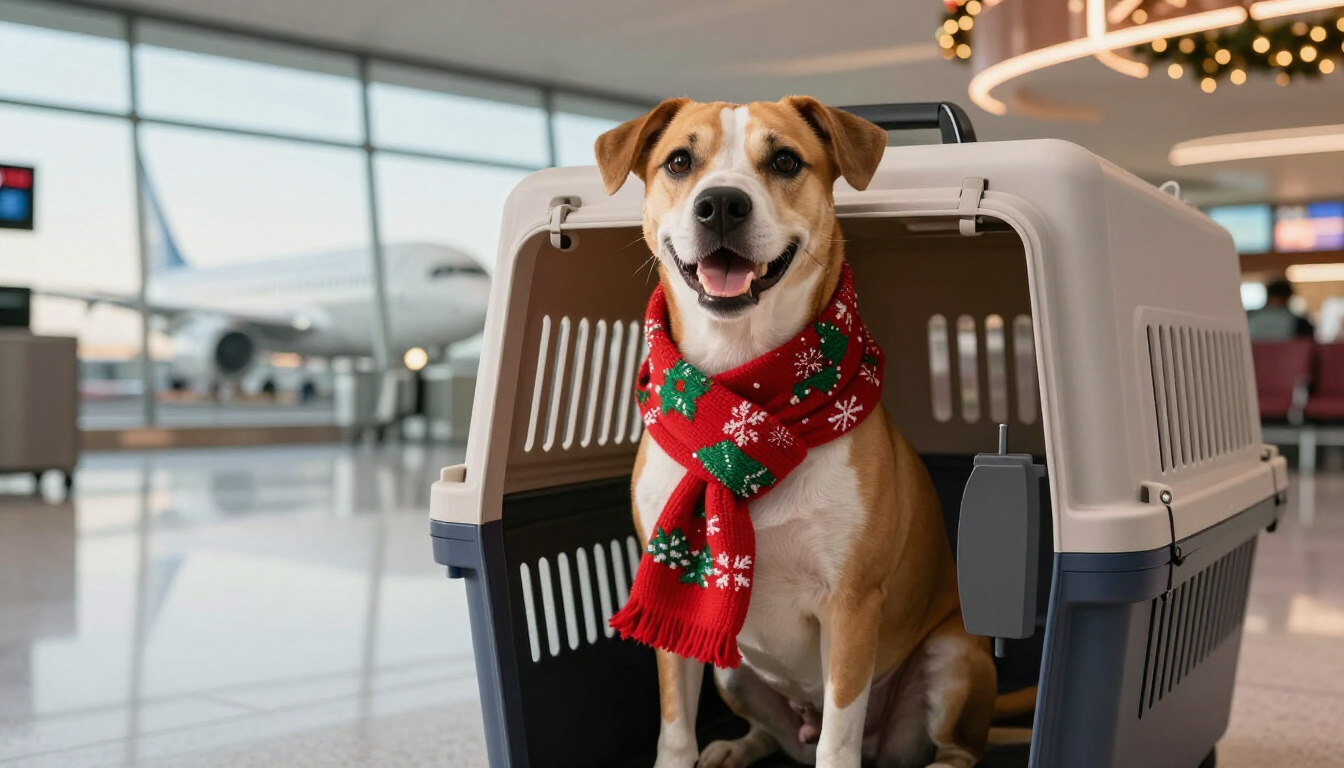
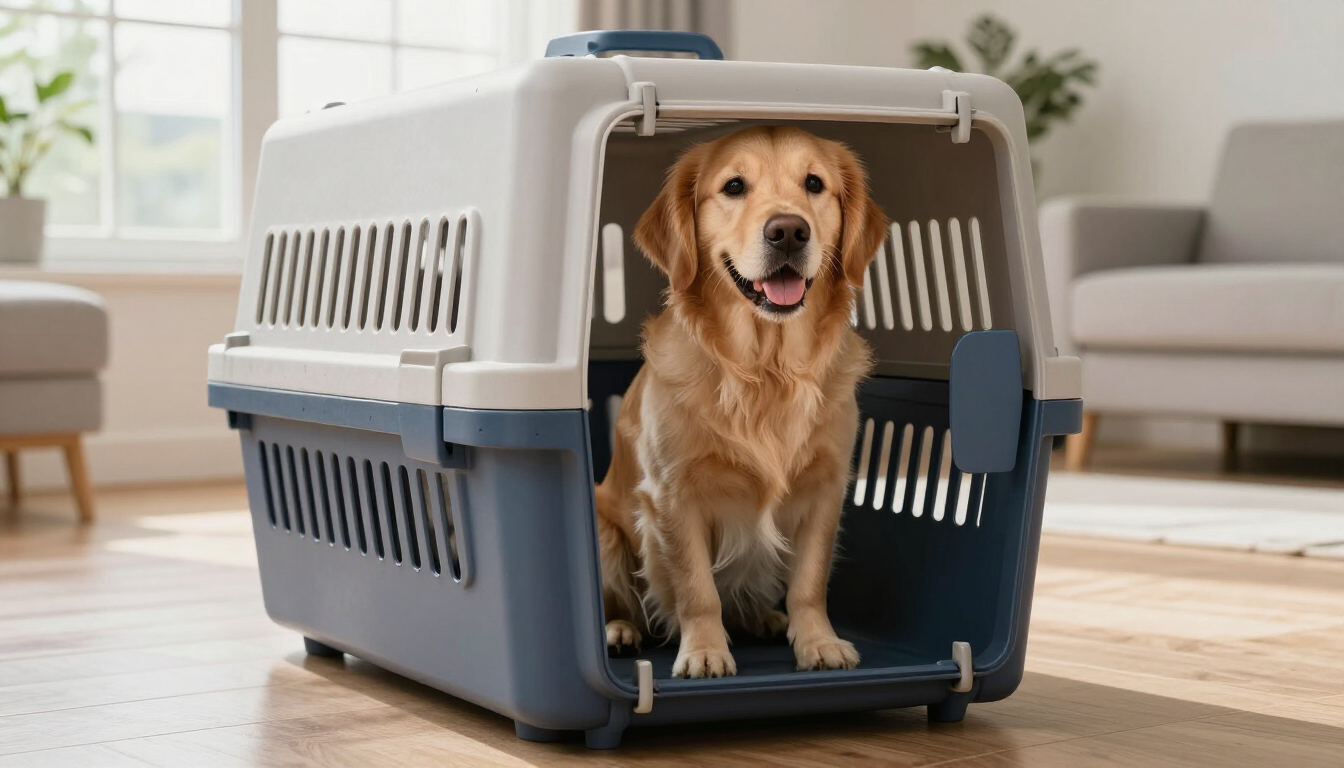
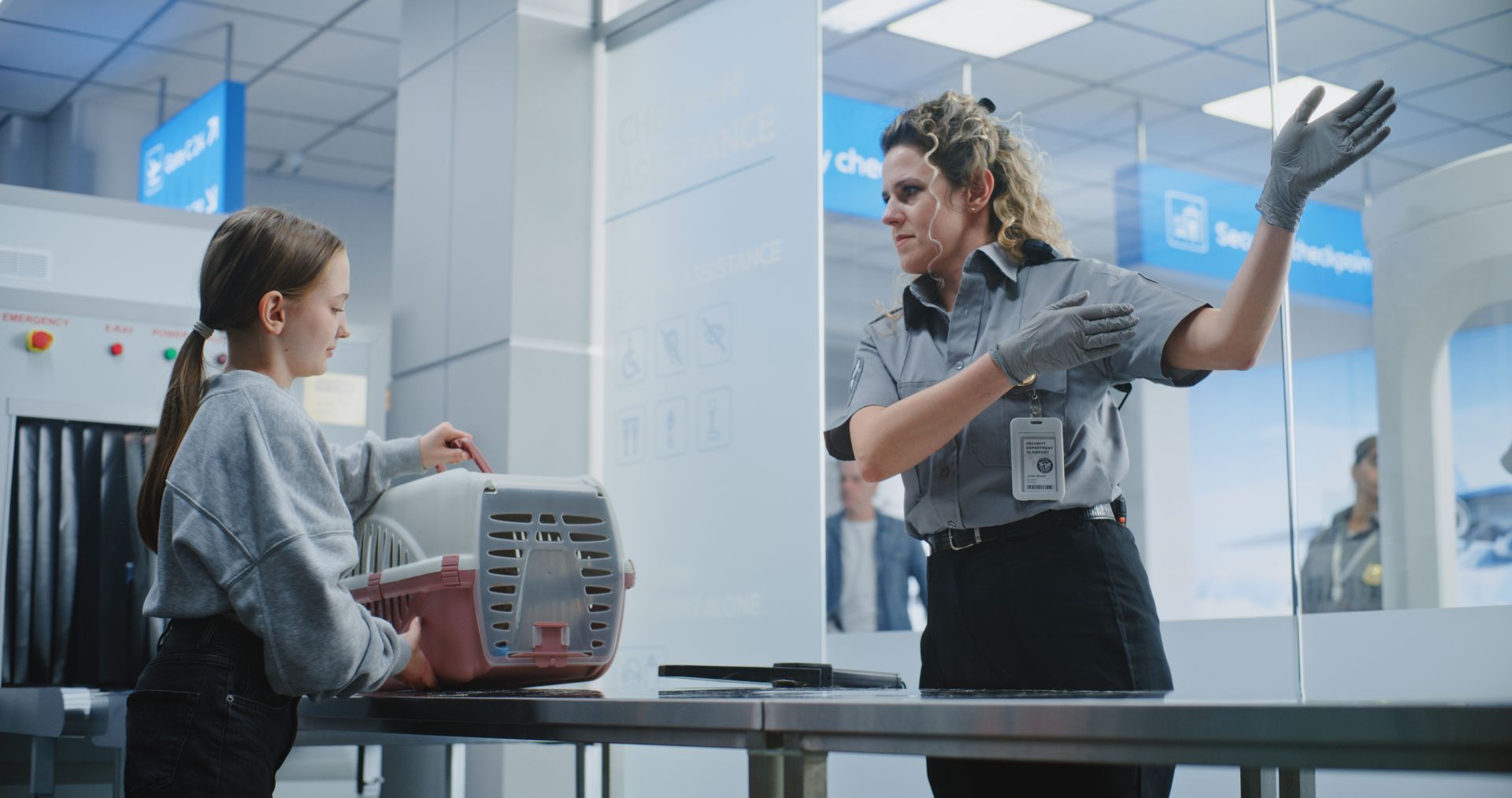
The travel crate should be prepared carefully. It needs to meet airline and international transport requirements, but it also needs to be comfortable and safe for the dog. The dog should have enough room to stand, turn around, and lie down naturally. Owners should also make sure the crate is properly labeled and that any required documents are attached or available according to the airline’s instructions. A poor crate setup can create problems at drop-off, even if the rest of the paperwork is correct.

Timing is where many owners run into trouble. Some documents must be completed close to the travel date, while other requirements may need to happen weeks or months in advance. For example, certain vaccinations, blood tests, or endorsements may have specific timing windows. If you start too late, there may not be enough time to fix an issue before the flight.

This is why working with a team familiar with LAX pet export can make the process easier. Rue’s Kennels lists export services and forms on their website and states that their team helps review import and export requirements, prepare and verify necessary paperwork, coordinate with airlines, and support safe release and travel logistics.

For dog owners, the best export plan is built around the destination country first, then the veterinary requirements, then the airline process. When those pieces are handled in the right order, the experience is usually much smoother. When they are handled out of order, owners can end up with a flight booked before they know whether the dog is actually cleared to travel.

If your dog is departing from LAX for international travel, start early, confirm the destination country’s rules, review all documents carefully, and coordinate with the airline before the travel date. A little preparation before departure can help avoid a much bigger problem at the airport.


Recent Posts

By VIV Builder August 10, 2026
Learn common causes of dog import delays at LAX and how proper planning, paperwork, and CDC compliance can help avoid problems.

By VIV Builder August 3, 2026
Learn why a CDC-licensed animal care facility near LAX is important for international dog imports, customs, and safe pet arrivals.

By VIV Builder July 27, 2026
Learn what happens after your dog lands at LAX, including cargo, customs, CDC requirements, inspections, and the pet release process.
By VIV Builder July 20, 2026
Learn the CDC dog import rules for bringing your dog through LAX, including paperwork, rabies requirements, and arrival planning.
By VIV Builder July 13, 2026
Learn how to import a dog through LAX with guidance on CDC requirements, customs, paperwork, and arrival planning from Rue's Kennels at LAX.
December 13, 2025
Why a CVI Is Best Practice for Domestic Dog Travel (Even When the Airline Doesn’t Require One) When planning domestic travel with your dog, most pet parents focus on airline rules, crate sizes, and booking pet-friendly accommodations. One detail that often gets overlooked? The Certificate of Veterinary Inspection (CVI) —also called a health certificate . While many domestic airlines don’t require a CVI, obtaining one is still strongly recommended . Think of it like a seatbelt: you hope you never need it, but if something unexpected happens, you’ll be very glad it’s there. What Is a CVI? A Certificate of Veterinary Inspection (CVI) is an official document issued by a licensed veterinarian confirming that your dog: Is healthy Is free from signs of infectious disease Is up to date on required vaccinations (especially rabies) This document is time-sensitive and reflects your dog’s health status close to the date of travel. “If the Airline Doesn’t Require It, Why Bother?” Great question—and the answer is liability protection . While rare, incidents do happen during travel. In the unlikely event that your dog: Bites another animal Scratches or bites a person Is accused of being ill or contagious A CVI becomes your best line of defense . It shows that: Your dog was examined by a veterinarian Your dog was cleared for travel You acted responsibly and proactively as a pet parent Without a CVI, responsibility can quickly become complicated—and stressful. CVIs Protect You, Not Just Your Dog A CVI isn’t just paperwork; it’s documentation that can help protect you legally and financially. Should an incident occur, authorities or airlines may request proof that your dog was healthy prior to travel. Having a CVI on hand can: Reduce disputes Speed up resolution Prevent unnecessary quarantine or delays In short: it keeps a bad day from becoming a very expensive one . Best Practice = Peace of Mind Even when not required, obtaining a CVI is considered best practice by veterinarians, animal transport professionals, and experienced travelers. It’s a small step that adds a large layer of security. How Rue’s Kennels Can Help At Rue’s Kennels , we understand travel compliance inside and out. We can assist dog parents in obtaining a proper, valid CVI so you can travel with confidence—knowing you’re covered if the unexpected happens. Because the best trips are the ones where the only surprise is how many photos you take of your dog at the destination. �55357;�56382;✈️ 
November 19, 2025
Why a Power of Attorney (POA) Is Required for CDC High-Risk Dog Imports
April 27, 2025
Bringing your dog into the United States from another country can feel overwhelming if you’ve never done it before. There are rules, paperwork, deadlines, and government agencies involved. If you’re flying into Los Angeles International Airport (LAX), you’re coming through one of the few approved entry points for dogs arriving from countries considered high-risk for rabies. That makes preparation even more important.
April 18, 2025
If your dog is arriving in the U.S. from a country the CDC considers high-risk for rabies, there’s a good chance a 28-day quarantine will be required. This isn’t something you can choose to skip or work around—if your paperwork isn’t perfect or if the CDC mandates it based on where your dog is coming from, quarantine becomes part of the entry process. Since Los Angeles International Airport (LAX) is one of the few approved ports of entry for these situations, and Rue’s Kennels is one of the only CDC-approved animal care facilities near the airport, I want to help you understand exactly what happens and how we take care of dogs while they’re here.
April 9, 2025
Importing a dog into the United States isn’t as simple as booking a flight and showing up at the airport. There are strict rules in place, especially for dogs coming from countries considered high-risk for rabies. These rules are enforced by multiple agencies, including the CDC, USDA, and U.S. Customs and Border Protection. If you’re flying into Los Angeles International Airport (LAX), one of the busiest international travel hubs in the country, it’s important to understand the process to avoid delays, rejections, or costly mistakes.
Show More